
Written by: Kate Zusmann
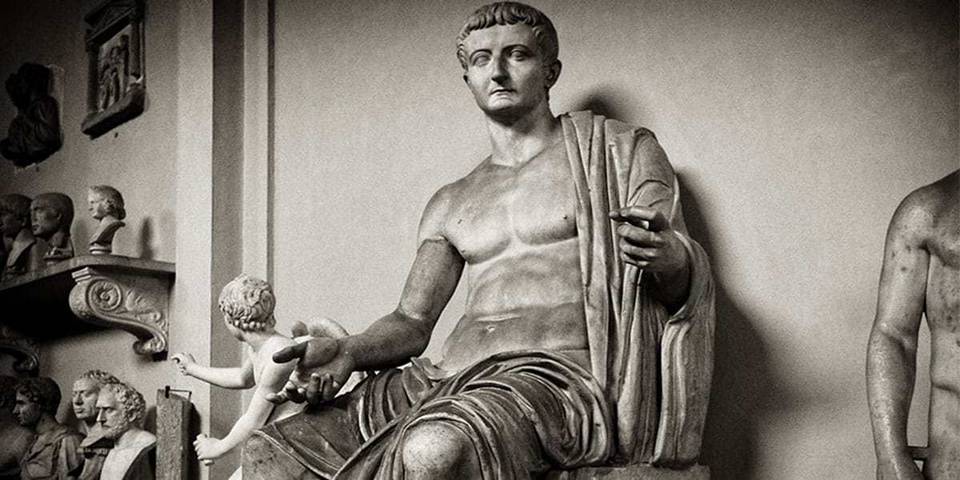
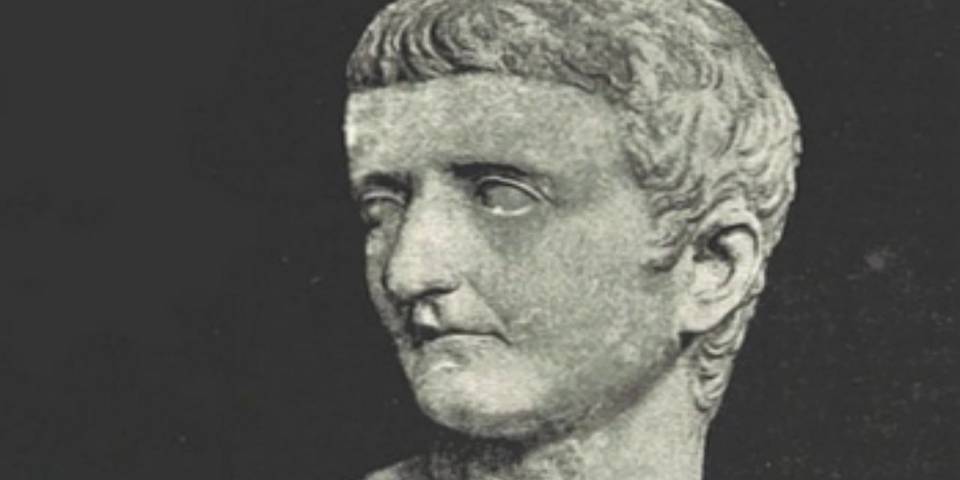
Tiberius was the second Roman emperor. He succeeded Augustus in AD 14 and ruled until AD 37. Before taking power, he had commanded armies on the empire’s northern frontiers. He spent much of his final decade on Capri while the government continued to operate in Rome.
Tiberius was born in 42 BC to Tiberius Claudius Nero and Livia Drusilla. Livia later married Octavian, the future Augustus. Tiberius served in the army and married Vipsania Agrippina. They had a son, Drusus. At Augustus’ insistence, Tiberius divorced Vipsania and married Julia, Augustus’ daughter.
He withdrew to Rhodes in 6 BC and returned to Rome in AD 2. After the deaths of Augustus’ grandsons Lucius and Gaius, Augustus adopted Tiberius, who in turn adopted his nephew Germanicus. Adoption settled the immediate question of who would succeed Augustus, whose own rise to power had followed the assassination of Julius Caesar.
Germanicus commanded troops on the Rhine and later travelled to the eastern provinces, where he died at Antioch in AD 19. His widow, Agrippina the Elder, returned to Rome with his ashes. She blamed the governor of Syria, Gnaeus Calpurnius Piso, for her husband’s death. Suspicions about senior figures at Rome appear in ancient accounts, but the evidence does not establish who, if anyone, caused his death.
Agrippina and her older sons Nero Caesar and Drusus Caesar fell from favour during Tiberius’ reign. Her youngest surviving son Gaius, better known as Caligula, was living on Capri with Tiberius by AD 31.
After Tiberius’ son Drusus died in AD 23, the prefect of the Praetorian Guard, Sejanus, grew more powerful. He retained considerable influence after Tiberius left Rome. In AD 31 the Senate heard a letter from Tiberius denouncing Sejanus, who was arrested and executed. Ancient writers linked Sejanus and Livilla, the widow of Drusus, to the death of Drusus. Their accounts were written after Sejanus’ fall.
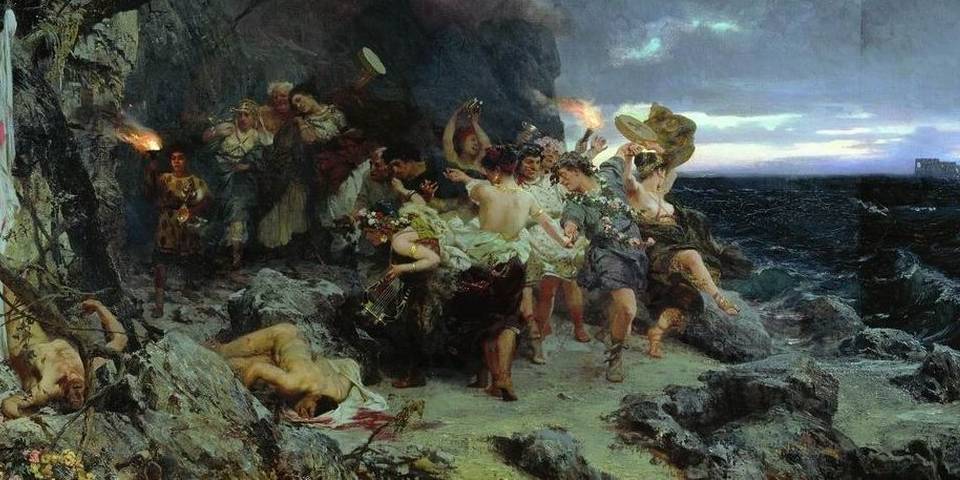
Stories about the emperor’s private life on Capri often come from accounts hostile to him. They are part of his later reputation, and the painting above shows how artists imagined his years on the island.
Video about Tiberius on YouTube
Tiberius died at Misenum, on the Bay of Naples, on 16 March AD 37. The circumstances vary in ancient accounts. Caligula succeeded him, and Claudius later became the next emperor after Caligula.
RomeItaly.guide © 2026. Created with love by Roman experts and guides.