RomeItaly.guide
  • Taxi fares calculator
  • About us
  • Plan your trip
    • Weather
      • February
      • April
    • Neighbourhoods
      • Quartiere Coppedè
      • Trastevere
    • Day Trips
      • To Ostia Antica
      • Beaches near Rome
  • Getting around
    • Fiumicino Airport
    • Termini Railway Station
    • Public Transport
    • To Ostia Antica
    • To Milan
  • Sights
    • Ancient Sites
      • Castel Sant’Angelo
      • Colosseum
      • Mamertine Prison
      • Mouth of Truth
      • Pantheon
      • Roman Forum
    • Museums
      • Ara Pacis Augustae
      • Borghese Gallery
      • Caravaggio’s Paintings
      • Great Synagogue
      • Palazzo Farnese
    • Churches
      • Capuchin Crypt
      • Holy Stairs
      • Sant’Agnese in Agone
      • San Giovanni in Laterano
      • Santa Maria Maggiore
      • Saint Paul Outside the Walls
      • St Peter in Chains
    • Fountains & Squares
      • Navona Square
      • Spanish Steps
      • Trevi Fountain
      • Altar of The Fatherland
      • Fontana della Barcaccia
      • Fountain of the 4 Rivers
      • Fountain of the Pantheon
      • Piazza del Popolo
      • Piazza Venezia
      • Turtle Fountain
    • Hills
      • Aventine
      • Capitoline
      • Janiculum
      • Palatine
      • Pincian
    • Parks
      • Appian Way
      • Orange Garden
      • Pincio Terrace
      • Vatican Gardens
      • Villa Borghese
      • Villa Torlonia
    • Emperors
      • Good Emperors
      • Marcus Aurelius
      • Gaius Julius Caesar
      • Nero
      • Octavian Augustus
      • Caligula
      • Hadrian
      • Vespasian
      • Trajan
  • Vatican City
    • St Peter’s Basilica
    • Sistine Chapel
    • Vatican Museums
    • Raphael’s Rooms
    • Michelangelo’s Pieta
    • St Peters Dome
    • St Peter’s Square
    • Swiss Guard
  • Where to stay
    • How to Choose a Hotel in Rome
    • Hotels with Best Views
    • Hotels near Termini
    • Hotels near the Colloseum
    • Best Hostels
    • Hotels near Navona Square
    • 3 Star Hotels
    • 4 Star Hotels
    • 5 Star Hotels
    • Apartments For Rent
  • Food & shopping
    • Where to Eat
      • Best Pizza Places
      • Best Pasta Places
      • Local Italian Food
      • Best Gelato Places
      • Best Rooftop Bars
    • Shopping
      • Castel Romano Outlet
      • Farmers Markets
      • Souvenirs from Rome
  • Tips & FAQ
    • Free Things to Do
    • TOP Attractions
    • Tickets to Vatican museums
    • Rome Three Day Itinerary
    • Renting a Car in Rome
    • Apps for Tourists
    • Instagram
  1. Home ›
  2. Roman Emperors

Emperor Commodus

Written by: Kate Zusmann

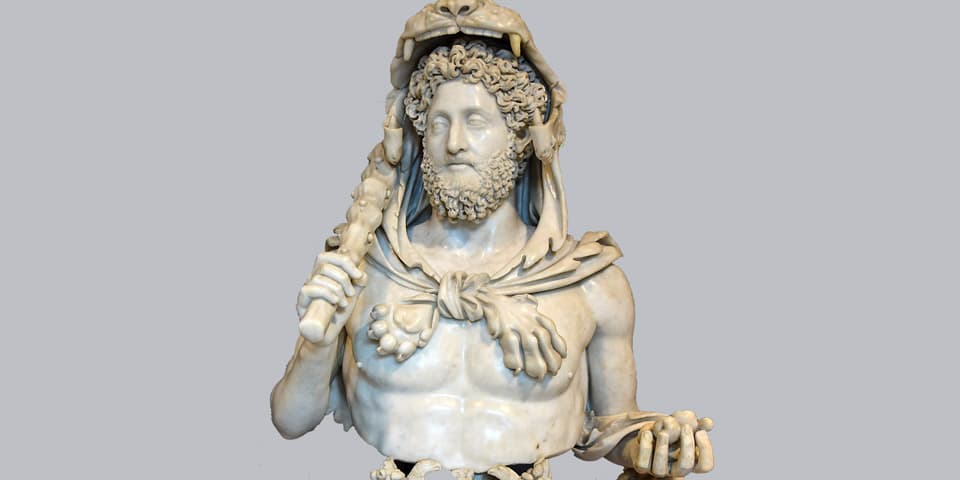
Portrait of Emperor Commodus

Commodus ruled jointly with his father, Marcus Aurelius, from AD 177. He became sole emperor in AD 180 and ruled until he was killed in AD 192. His death ended the Antonine dynasty.

Contents5 sections · ~2 min read
  1. From heir to sole emperor
  2. The imperial court
  3. Hercules and the arena
  4. Death and succession
  5. Frequently asked questions

From heir to sole emperor

Lucius Aurelius Commodus was born at Lanuvium in AD 161. His mother was Faustina the Younger. He held the consulship in AD 177 and became co-emperor that year. When Marcus Aurelius died in AD 180, Commodus made peace on the Danube frontier and returned to Rome. Ancient senators such as Cassius Dio criticised the decision. Ending the campaign also meant ending an expensive war.
https://youtu.be/sbLx-MeXFrk

The imperial court

Commodus entrusted much of the administration to men close to the court. The praetorian prefect Perennis held particular influence until his death. The imperial freedman Cleander later became prominent. Their careers show how much access to the emperor could matter in late Antonine Rome.

Ancient writers describe a failed conspiracy involving Lucilla, the emperor’s sister, early in his sole reign. Their accounts help explain the hostile image of Commodus, though the writers give different explanations of his choices and motives.

Hercules and the arena

Commodus appeared in public as a performer in the arena and presented himself in the guise of Hercules. A surviving marble bust in the Capitoline Museums depicts him with the lion skin, club and apples. The image expresses an imperial claim to power and divine favour. It is also evidence of the public persona that ancient accounts describe.

Death and succession

Commodus died on 31 December AD 192. Cassius Dio describes a palace conspiracy in which the athlete Narcissus strangled him. Pertinax became emperor and was killed the following year. Several claimants then competed for power before Septimius Severus prevailed.

Frequently asked questions

Did Commodus kill Marcus Aurelius?
There is no reliable evidence that Commodus killed his father. Marcus Aurelius died in AD 180 after illness during the Danubian campaigns.
Did Commodus really appear in the arena?
Yes. Ancient authors describe his arena appearances. Details and exact numbers in their accounts should be read with care.
Kate Zusmann
Rome travel writer & expert Kate Zusmann
years in Rome
12
guides published
190
article updated
Nov 2026
I’ve lived in the Eternal City for the past 12 years. They say every corner of Rome holds a story, and I’m here to share some of the most fascinating historical facts and local legends.
All guides by Kate →

More Rome guides

Vatican Museums Visitor Guide

The Vatican Museums

Rome Italy Tourist Attractions

Top 30 Attractions in Rome

Rome hotels with a view

Rome hotels with a view and the rooms to book

How to Book Vatican Museums & Sistine Chapel Tickets

How to Book Vatican Museums & Sistine Chapel Tickets

St. Peter's Basilica dome seen through the trees from the far side of Piazzale Garibaldi, Rome

Janiculum Hill (Gianicolo): Viewpoints and Walking Route

Portrait of Emperor Titus

Emperor Titus

Portrait of Emperor Nerva

Emperor Nerva

Portrait of Emperor Tiberius

Emperor Tiberius

Kaiser Trajan

Emperor Trajan

Show more

About us

About us ROME.US Authors Kate Zusmann and Artur Jakucewicz
We're Kate and Artur. Rome has been our home for more than ten years, and we write about the streets, churches and museums we know first-hand.

Explore Rome

  • The water clock of the Pincio

    The water clock of the Pincio

  • What to wear in Rome in August

    What to wear in Rome in August

  • Fountain of the Naiads in Rome

    Fountain of the Naiads in Rome

  • Shops along Via del Corso in Rome

    Where to Shop in Rome

  • Rome hostels for solo travellers

    Rome hostels for solo travellers

RomeItaly.guide

This website uses cookies. For more info read the cookies policy This site uses cookies

RomeItaly.guide © 2026. Created with love by Roman experts and guides.
  • American English
  • Español
  • Deutsch
  • Polski
  • Русский
  • Français