
992122 travellers read
Written by: Kate Zusmann
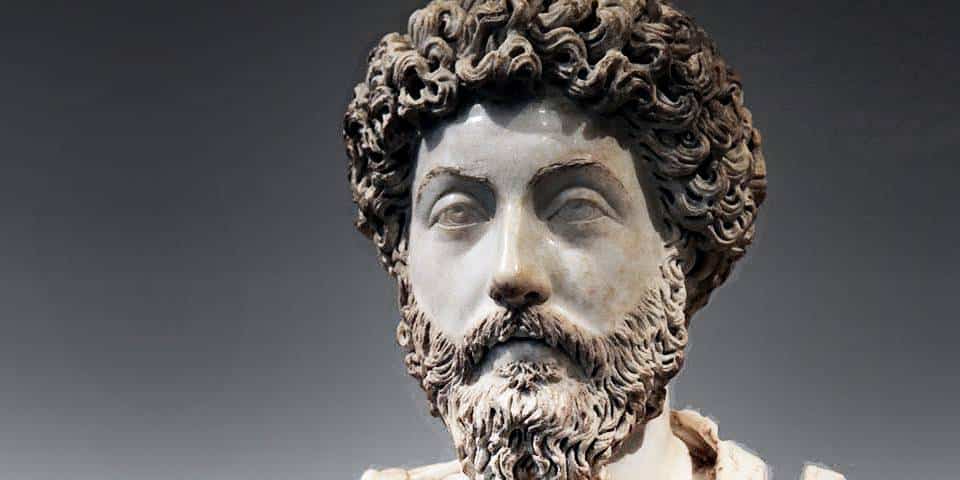
Marcus Aurelius ruled from AD 161 to 180. His reign included war with Parthia, fighting along the Danube and an epidemic. His private philosophical notes, known as Meditations, were written in Greek. They still give readers a direct sense of what he asked of himself.
Hadrian arranged for Antoninus Pius to adopt Marcus and Lucius Verus as part of the imperial succession. When Antoninus died in AD 161, Marcus and Lucius became co-emperors. Shared rule mattered during the war with Parthia, when Verus went east and Marcus remained in Rome.
After the Parthian war, an epidemic spread across the empire. It is known as the Antonine Plague. Its identification with a specific modern disease remains uncertain.
Verus died in AD 169. Marcus spent much of the following decade dealing with wars across the Danube. His column, which stands in Piazza Colonna, depicts campaigns from this period. Imperial monuments presented the Roman side of the war.
The Meditations read as reminders rather than as a treatise. Marcus returns to the distinction between events beyond his control and his own judgements and conduct. The work draws on Stoicism and offers examples of how he applied its ideas to duty, loss and anger.
Marcus made his son Commodus co-emperor in AD 177. Commodus continued to rule after Marcus died in AD 180. The civil wars that followed the end of the dynasty came after Commodus’s death in AD 192. See the Metropolitan Museum’s account of the Antonine dynasty.
The bronze equestrian statue in Piazza del Campidoglio is a copy. The original is displayed in the Marcus Aurelius Exedra at the Capitoline Museums. The composition is best seen from the side, where you can compare the emperor’s outstretched hand with the movement of the horse.
RomeItaly.guide © 2026. Created with love by Roman experts and guides.