RomeItaly.guide
  • About us
  • Where to Stay
    • Best 3-Star Hotels
    • Hostels for Solo Travellers
    • Hotels with Views
    • Near the Colosseum
    • Near Termini Station
  • Ancient Sites
    • Baths of Diocletian
    • Castel Sant’Angelo
    • Colosseum
    • Pantheon
    • Roman Forum
  • Visiting Vatican
    • Sistine Chapel
    • Vatican Museums
    • St Peter’s Basilica
    • St Peter’s Dome
  • Museums & Galleries
    • Ara Pacis Augustae
    • Borghese Gallery
    • Palazzo Farnese
  • Hills
    • Aventine
    • Capitoline
    • Janiculum
    • Pincian
  • Fountains & Squares
    • Acqua Paola
    • Altar of the Fatherland
    • Bernini’s Elephant
    • Four Rivers Fountain
    • Piazza Navona
    • Spanish Steps
    • Turtle Fountain
    • Trevi Fountain
  • Parks & Gardens
    • Knights of Malta Keyhole
    • Orange Garden
    • Rose Garden
    • Villa Doria Pamphilj
    • Villa Borghese
    • Villa Sciarra
    • Umbrella Pine Trees
  • How to Get
    • Fiumicino Airport ➡️ Rome
  1. Home /
  2. Roman Emperors

The Five Good Emperors of Rome

Written by: Artur Jakucewicz

Roman monument associated with the Five Good Emperors

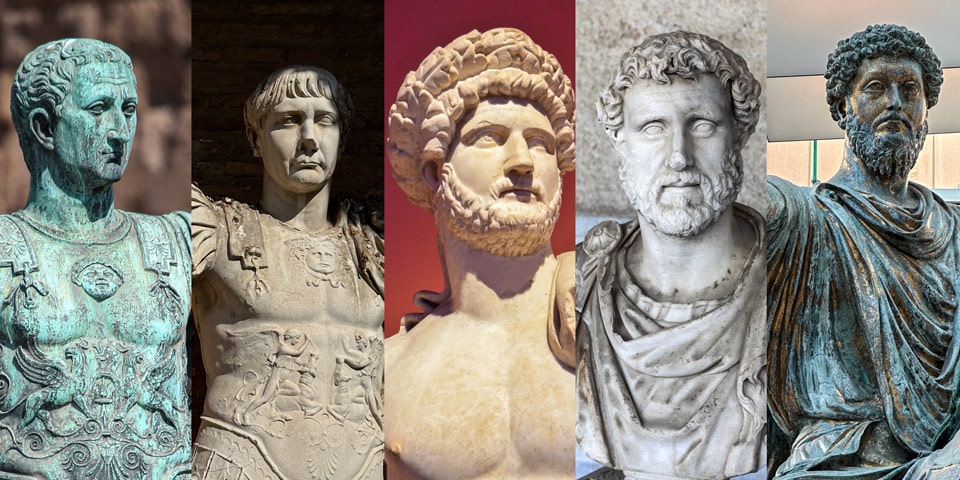
The “Five Good Emperors” are Nerva, Trajan, Hadrian, Antoninus Pius and Marcus Aurelius. Historians use the label for a line of rulers from AD 96 to 180. It reflects a later judgment about their reigns. Some of them faced wars, revolts and serious setbacks.
Contents
  1. Nerva and the succession after Domitian
  2. Trajan and the expansion of the empire
  3. Hadrian and the frontiers
  4. Antoninus Pius
  5. Marcus Aurelius, Lucius Verus and Commodus
  6. What adoption meant for the succession

Nerva and the succession after Domitian

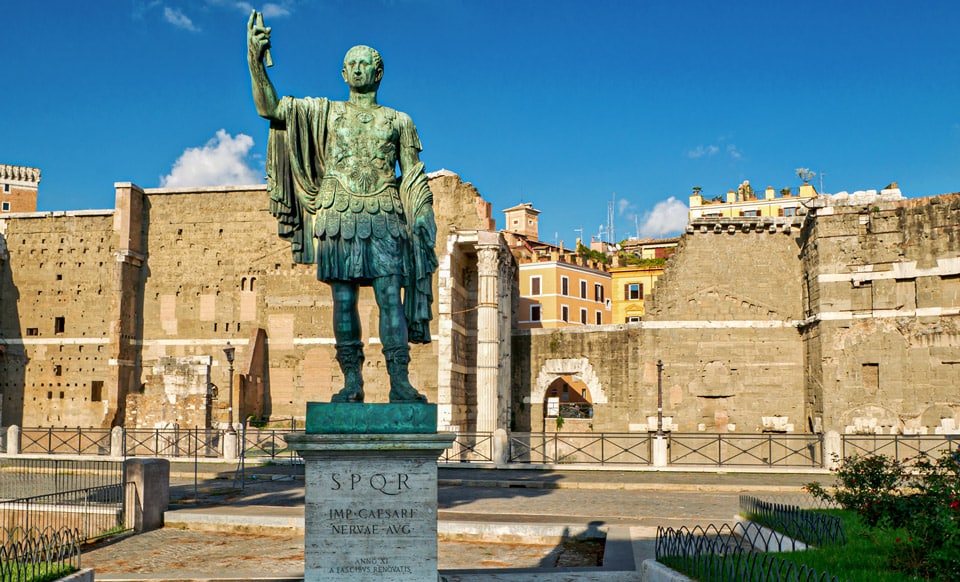
Bronze statue of the emperor Nerva in Rome Via Fori Imperiali

The Senate recognised Nerva after the assassination of Domitian in AD 96. His position was insecure, particularly with the military. He adopted Trajan in AD 97. Trajan already commanded troops on the Rhine and succeeded him the following year.
Trajan and the expansion of the empire

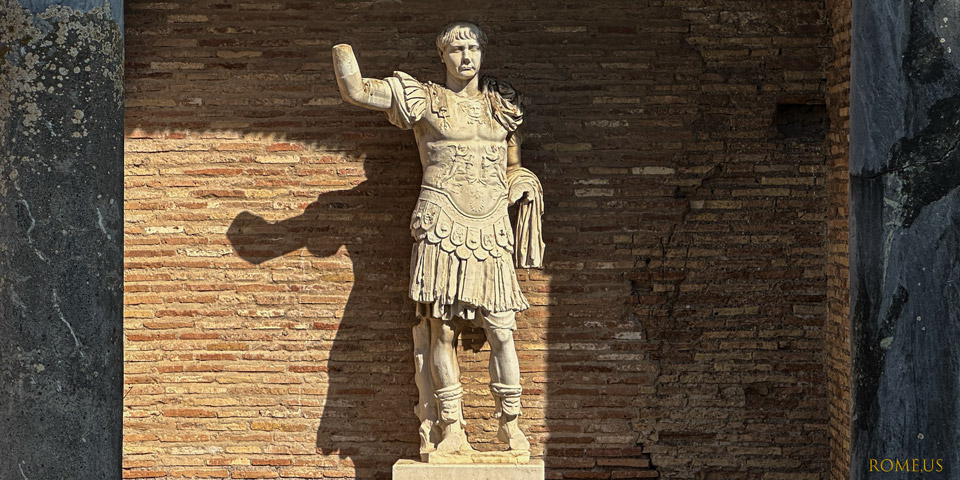
Statue of Emperor Trajan in Ostia Antica

Trajan ruled from AD 98 to 117. He conquered Dacia and pushed into Parthian territory towards the end of his reign. In Rome, his forum and column are the clearest places to see how the regime presented those victories. The nearby Markets of Trajan give a sense of the wider building work.
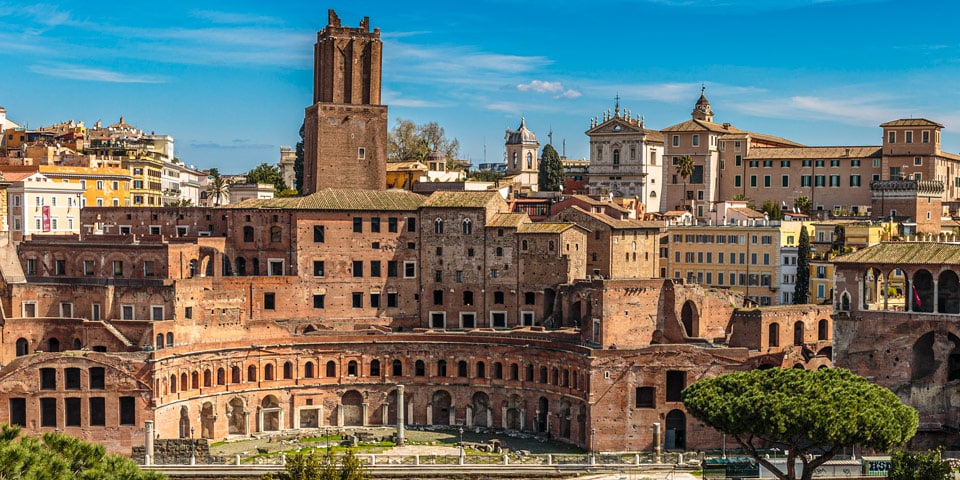
Trajan's Market in Rome Italy

Hadrian and the frontiers

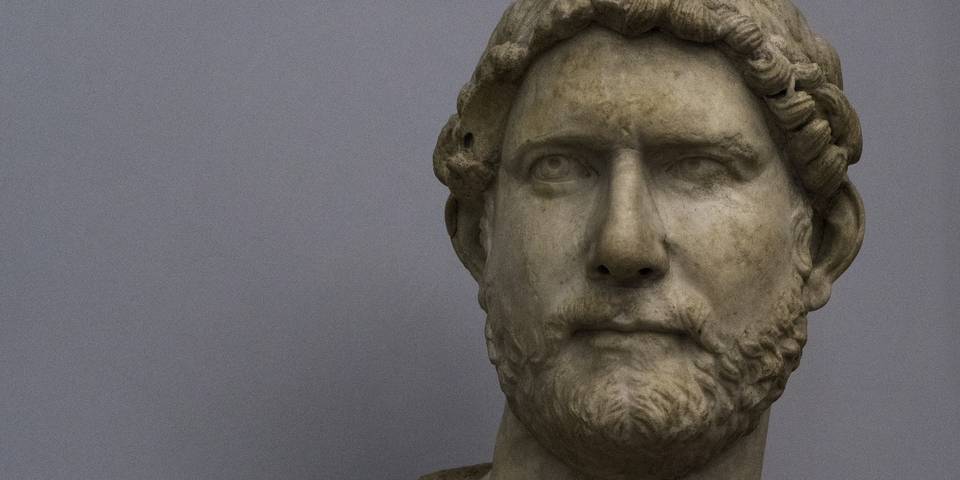
Hadrian Roman Emperor

Hadrian succeeded Trajan in AD 117. He abandoned some of Trajan’s eastern conquests and spent long periods travelling around the provinces. Hadrian’s Wall in Britain is one example of his investment in the frontiers.

Hadrian Wall today Nothern Britain

In Rome, the surviving Pantheon dates to the building campaign traditionally associated with his reign. His arrangements for the next generation reached beyond his immediate successor. Hadrian adopted Antoninus Pius on condition that Antoninus adopt both Marcus Aurelius and Lucius Verus.
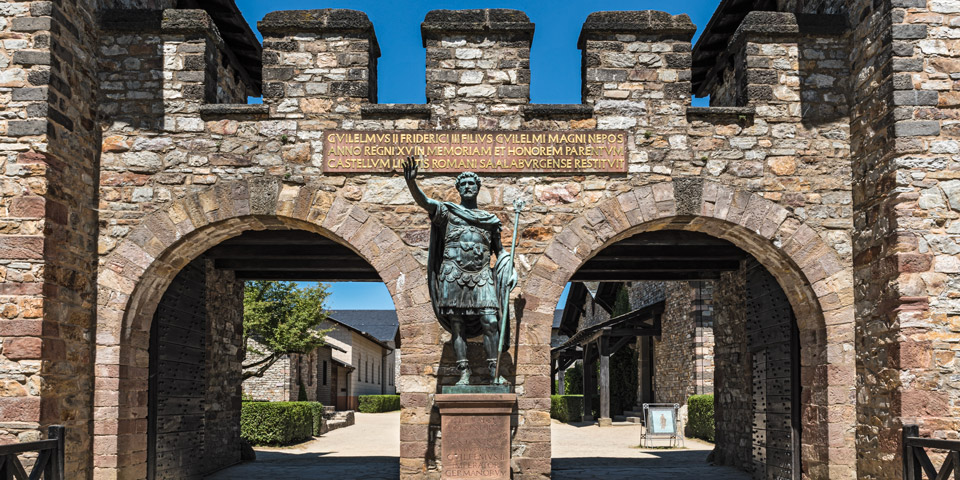
Antoninus Pius

Statue of Antoninus Pius in front of the main gate of the Roman fort Saalburg near Frankfurt Germany

Antoninus ruled from AD 138 to 161. His reign was comparatively stable at Rome. Provincial military activity continued, including the construction of the Antonine Wall north of Hadrian’s Wall in Britain. In the Roman Forum, see the remains of the temple dedicated first to Faustina and later to Antoninus himself.
Marcus Aurelius, Lucius Verus and Commodus

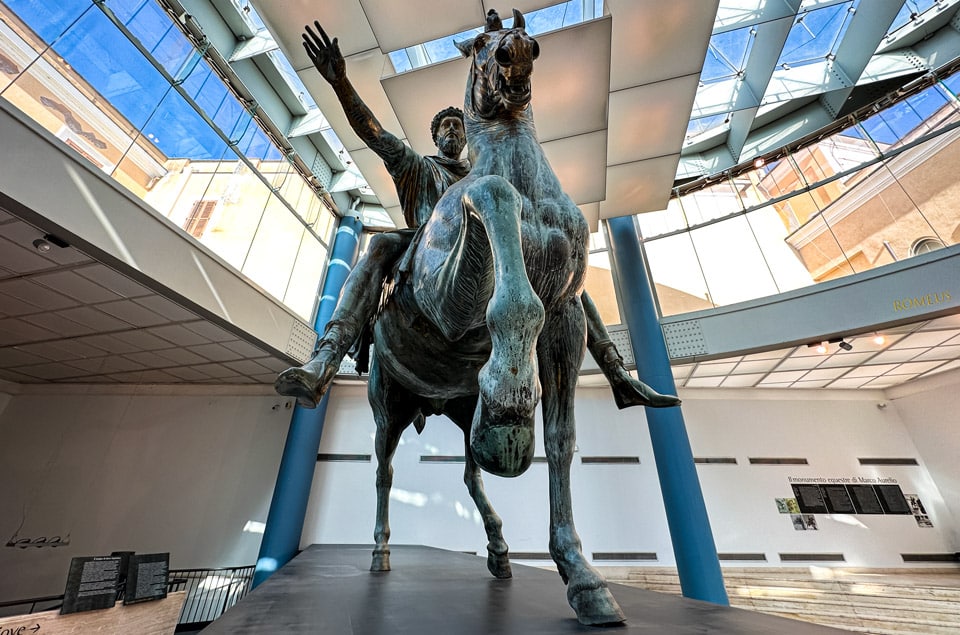
Statue of Marcus Aurelius on horseback Capitoline Museums in Rome

Marcus Aurelius and Lucius Verus became co-emperors in AD 161. After Verus died in AD 169, Marcus continued to rule through war on the Danube and an epidemic. His private notes survive as the Meditations. The original bronze equestrian statue is in the Capitoline Museums.
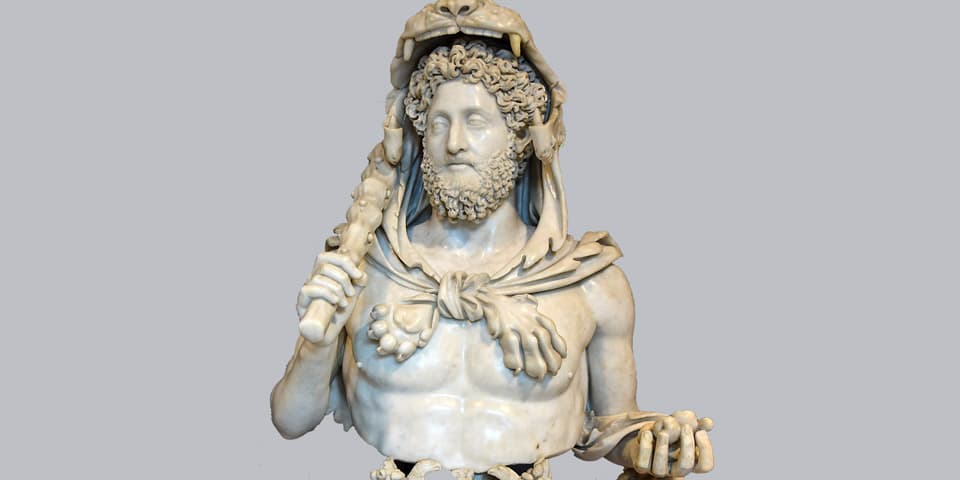
Marble bust of Roman Emperor Commodus as Hercules in the Capitoline Museum Rome

In AD 177 Marcus made his son Commodus co-emperor. Commodus succeeded him in AD 180 and ruled until AD 192. The struggles for power that followed came after Commodus’s death.

What adoption meant for the succession

Adoption made a successor part of the emperor’s family. Its purpose varied. Nerva needed a successor with military standing, and Hadrian’s arrangements named heirs for two generations. Family ties and political support mattered alongside individual experience. The Metropolitan Museum’s list of rulers gives the dates and periods of shared rule.

Author: Artur Jakucewicz

Artur Jakucewicz

I’ve lived in Rome for over a decade and am delighted to share my knowledge and experience. Passionate about ancient history and architecture, I’m the author of travel guides to Italy designed especially for independent travellers.

Dive Deeper into Rome's Stories

Vatican Museums Visitor Guide

992142 travellers read

The Vatican Museums

Rome Italy Tourist Attractions

29436 travellers read

Top 30 Attractions in Rome

Beste Hotels in Rom mit Aussicht

11443 travellers read

Best Hotels with Views in Rome

How to Book Vatican Museums & Sistine Chapel Tickets

16780 travellers read

How to Book Vatican Museums & Sistine Chapel Tickets

St. Peter's Basilica dome seen through the trees from the far side of Piazzale Garibaldi, Rome

12121 travellers read

Janiculum Hill (Gianicolo): Viewpoints and Walking Route

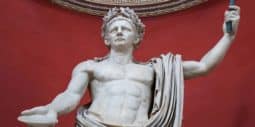
Portrait of Emperor Claudius

27 travellers read

Emperor Claudius

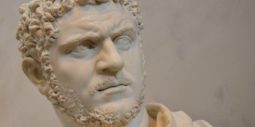
Portrait of Emperor Caracalla

26 travellers read

Emperor Caracalla

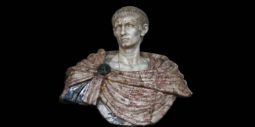
Portrait of Emperor Diocletian

38 travellers read

Emperor Diocletian

Romulus Augustus

35 travellers read

Romulus Augustulus

Show more

About us

About us ROME.US Authors Kate Zusmann and Artur Jakucewicz
We're Kate and Artur, a duo bound by our shared fascination with the Eternal City – Rome. Our paths, driven by a mutual passion for its timeless stories and architectural marvels, converged in a way we had never imagined.

Explore Rome

  • Inside the Palazzo Farnese in Rome

    Palazzo Farnese

  • Rose Garden Aventine Hill Rome

    Rome’s Rose Garden (Roseto Comunale): Where to See 1100 Varieties in Bloom

  • Best Area to Stay in Rome

    Best Area to Stay in Rome for First-Time Visitors – Local Tips

  • The Fountain of Neptune

    The Fountain of Neptune

  • The Colosseum in Rome

    When Was the Colosseum Built and Finished?

RomeItaly.guide

This website uses cookies. For more info read the cookies policy

RomeItaly.guide © 2026. Created with love by Roman experts and guides.

  • American English
  • Español
  • Deutsch
  • Polski
  • Français