RomeItaly.guide
  • About us
  • Where to Stay
    • Best 3-Star Hotels
    • Hostels for Solo Travellers
    • Hotels with Views
    • Near the Colosseum
    • Near Termini Station
  • Ancient Sites
    • Baths of Diocletian
    • Castel Sant’Angelo
    • Colosseum
    • Pantheon
    • Roman Forum
  • Visiting Vatican
    • Sistine Chapel
    • Vatican Museums
    • St Peter’s Basilica
    • St Peter’s Dome
  • Museums & Galleries
    • Ara Pacis Augustae
    • Borghese Gallery
    • Palazzo Farnese
  • Hills
    • Aventine
    • Capitoline
    • Janiculum
    • Pincian
  • Fountains & Squares
    • Acqua Paola
    • Altar of the Fatherland
    • Bernini’s Elephant
    • Four Rivers Fountain
    • Piazza Navona
    • Spanish Steps
    • Turtle Fountain
    • Trevi Fountain
  • Parks & Gardens
    • Knights of Malta Keyhole
    • Orange Garden
    • Rose Garden
    • Villa Doria Pamphilj
    • Villa Borghese
    • Villa Sciarra
    • Umbrella Pine Trees
  • How to Get
    • Fiumicino Airport ➡️ Rome
  1. Home /
  2. Roman Emperors

Emperor Diocletian

Written by: Kate Zusmann

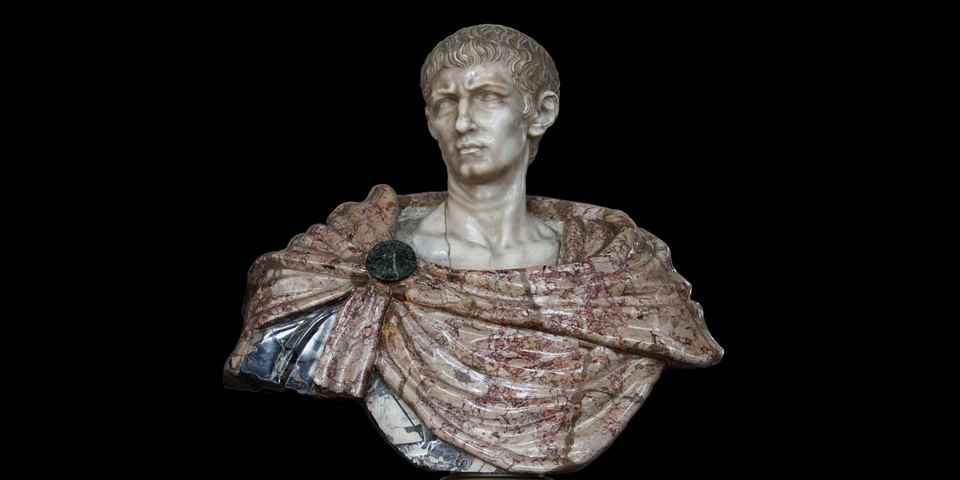
Portrait of Emperor Diocletian

Diocletian ruled the Roman Empire from AD 284 to 305. His answer to the problem of governing several frontiers at once was to share imperial authority. By AD 293, four rulers held office together under the arrangement historians call the Tetrarchy.

Contents
  1. From army commander to emperor
  2. How the Tetrarchy worked
  3. Taxes, prices and the provinces
  4. Persecution of Christians
  5. Retirement in Split and the baths in Rome

From army commander to emperor

Little is known with certainty about Diocletian’s early life. He came from Dalmatia and rose through the army. In AD 284, after Emperor Numerian was found dead on the return from a campaign against Persia, officers proclaimed Diocletian emperor. Numerian’s brother Carinus still ruled in the West. The two armies met near the River Margus in AD 285. Carinus died during the conflict. Diocletian then took control of the empire.

How the Tetrarchy worked

Diocletian first made Maximian his junior colleague, then raised him to the rank of Augustus in AD 286. In AD 293, the two senior emperors each took a junior colleague, or Caesar. Galerius served with Diocletian, and Constantius Chlorus with Maximian. The four rulers could lead campaigns and oversee administration in different regions of the same empire.

The system was also meant to manage succession. When Diocletian and Maximian abdicated in AD 305, Galerius and Constantius became Augusti. Severus and Maximinus Daia became the new Caesars. The arrangement frayed after Constantius died the following year. His troops proclaimed his son Constantine, bypassing the intended succession.

Taxes, prices and the provinces

Diocletian reorganised provincial administration and changed how taxes were assessed. In AD 301, his government set maximum prices and wages across a wide range of goods and services. Surviving pieces of the Edict on Maximum Prices show what the government tried to regulate. They do not establish how consistently its rules were enforced.

Persecution of Christians

The Great Persecution began in AD 303. The first edict ordered the destruction of churches and scriptures, and further measures targeted clergy and required sacrifices. Enforcement differed across the empire. It continued after Diocletian retired, and Galerius issued an edict of toleration in AD 311.

Retirement in Split and the baths in Rome

Diocletian retired to his palace on the Dalmatian coast, now part of the historic centre of Split. Parts of the palace survive inside the modern city. Accounts disagree on exactly when he died.
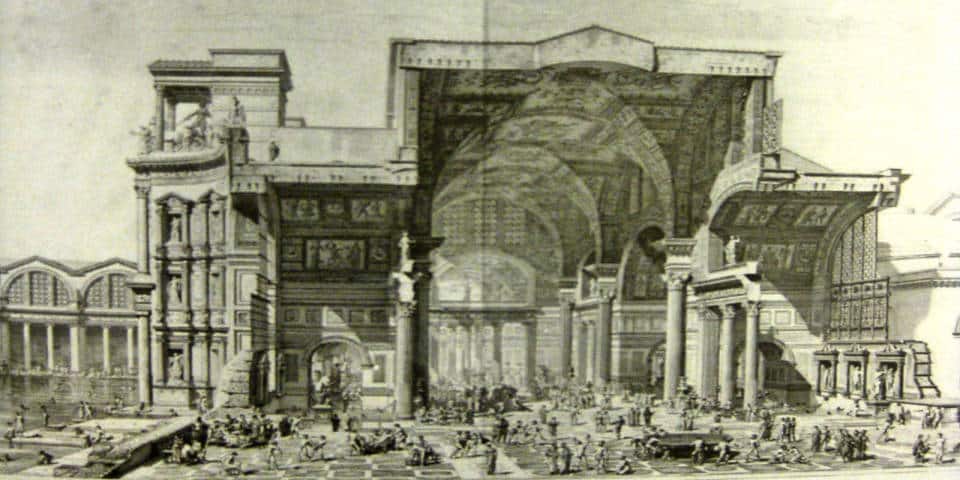
Ancient picture of Baths of Diocletian

In Rome, the Baths of Diocletian were begun under Maximian and completed in the early fourth century. Part of the complex houses the National Roman Museum. Nearby, the church of Santa Maria degli Angeli e dei Martiri incorporates rooms from the ancient baths.

For the chronology of the reign, see the Hungarian National Museum’s account of the first Tetrarchy.

Author: Kate Zusmann

Kate Zusmann

I’ve lived in the Eternal City for the past 12 years. They say every corner of Rome holds a story, and I’m here to share some of the most fascinating historical facts and local legends.

Dive Deeper into Rome's Stories

Vatican Museums Visitor Guide

992122 travellers read

The Vatican Museums

Rome Italy Tourist Attractions

29415 travellers read

Top 30 Attractions in Rome

Beste Hotels in Rom mit Aussicht

11418 travellers read

Best Hotels with Views in Rome

How to Book Vatican Museums & Sistine Chapel Tickets

16764 travellers read

How to Book Vatican Museums & Sistine Chapel Tickets

St. Peter's Basilica dome seen through the trees from the far side of Piazzale Garibaldi, Rome

12098 travellers read

Janiculum Hill (Gianicolo): Viewpoints and Walking Route

Portrait of Emperor Claudius

18 travellers read

Emperor Claudius

Roman monument associated with the Five Good Emperors

18 travellers read

The Five Good Emperors of Rome

Portrait of Emperor Caracalla

17 travellers read

Emperor Caracalla

Portrait of Marcus Aurelius

14 travellers read

Emperor Marcus Aurelius

Show more

About us

About us ROME.US Authors Kate Zusmann and Artur Jakucewicz
We're Kate and Artur, a duo bound by our shared fascination with the Eternal City – Rome. Our paths, driven by a mutual passion for its timeless stories and architectural marvels, converged in a way we had never imagined.

Explore Rome

  • Regola District in Rome

    Regola District

  • Sorrento coast

    How to Get from Rome to Sorrento

  • house of the Owls in Rome

    House of the Owls

  • Kapitolinischer Hügel

    Capitoline Hill

  • The Church of Saint Andrew on the Quirinal

    Sant’Andrea al Quirinale

RomeItaly.guide

This website uses cookies. For more info read the cookies policy

RomeItaly.guide © 2026. Created with love by Roman experts and guides.
  • American English
  • Español
  • Deutsch
  • Polski
  • Русский
  • Français