
991321 travellers read
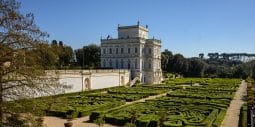
Villa Borghese Gardens, the third-largest park in Rome, is a treasure trove of picturesque landscapes, romantic settings, and diverse attractions. Nestled within the park’s lush grounds, the renowned Borghese Gallery showcases an impressive collection of art and sculptures, making it a must-see destination for art enthusiasts.
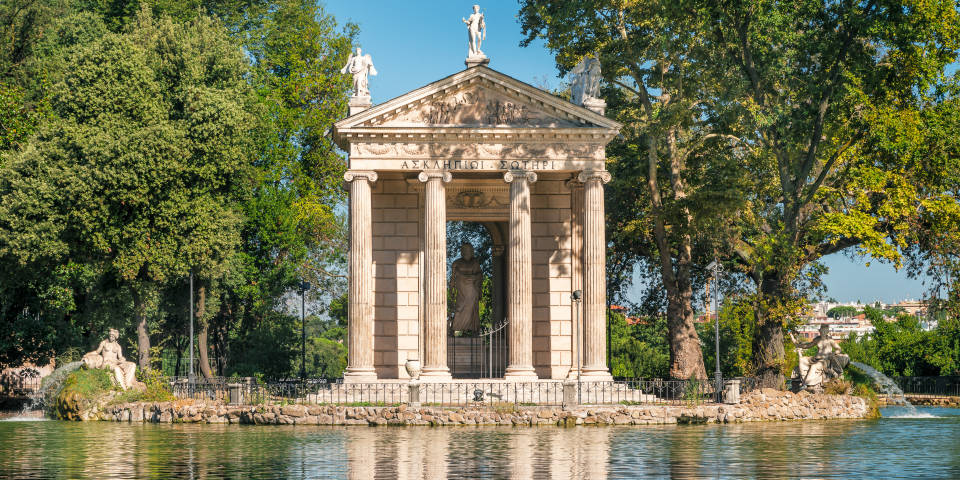
As you stroll through the park, you’ll encounter beautiful sculptures, the Villa Borghese fountain, and the Temple of Asclepius, dedicated to the Greek and Roman god of healing, nestled on a scenic lake. The captivating beauty of the lake makes it a popular spot for couples and newlyweds.
Additionally, the park boasts excellent viewing platforms that offer stunning panoramas of Rome, a romantic lake for leisurely boat rides, and a historic water clock that showcases the ingenuity of the past.
In addition to its natural charm, Villa Borghese is home to the Bioparco di Roma (Rome Zoo), a delightful destination for families to discover and learn about a diverse range of animals. The park also features the Hippodrome for races, annual horse shows, and the renowned Globe Theatre, where Shakespeare’s plays come to life. Ideal for dates, wedding photo shoots, and family outings, this exquisite park truly has something for everyone.
Embark on a journey through this enchanting oasis by exploring our guide to Villa Borghese and its many wonders.
Watch a video about the Borghese Gardens on our YouTube.
The Villa Borghese is situated on Pincian Hill, occupying an area of about 80 hectares (148 acres). Previously, this area was used for gardens and vineyards. The park itself was created here only in the 17th century at the behest of Cardinal Scipione Borghese. The Villa Borghese avenues were decorated with skilfully crafted statues and sculptures. In 1807, many of them were sold to Napoleon.
In the 18th century, the park was redesigned by architect Aspruchchi. At that time, there was a very beautiful artificial lake in the middle of the park. But in the early 19th century, another architect Luigi Canina changed the Villa Borghese again, giving the park the appearance it has today.
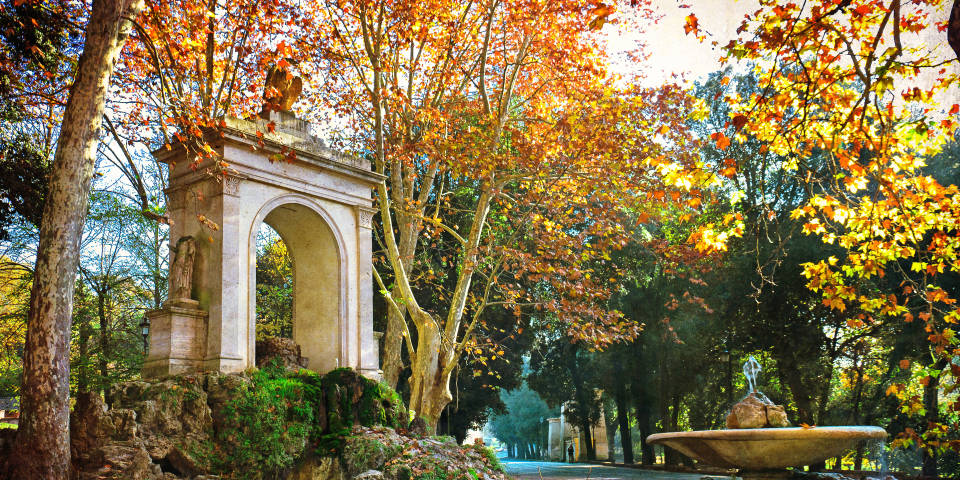
In 1903, when there were no direct heirs, Villa Borghese was transferred to state ownership and renamed in honour of the King of Italy, Umberto I. However, the new name never caught on among Romans, and the park is still known by its original name. In the same year, the first children’s attractions appeared there, and eight years later, in 1911, the existing zoo opened.
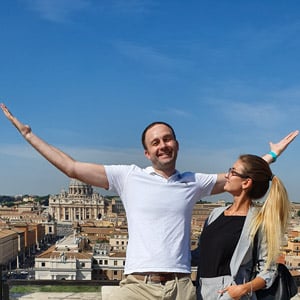
Visiting the observation decks at Villa Borghese during sunrise or sunset provides an unforgettable experience. The soft, warm light bathes the city’s ancient architecture, creating a magical and serene atmosphere. As the sun rises or sets, the hues of the sky shift, painting a mesmerising backdrop for Rome’s eternal beauty.
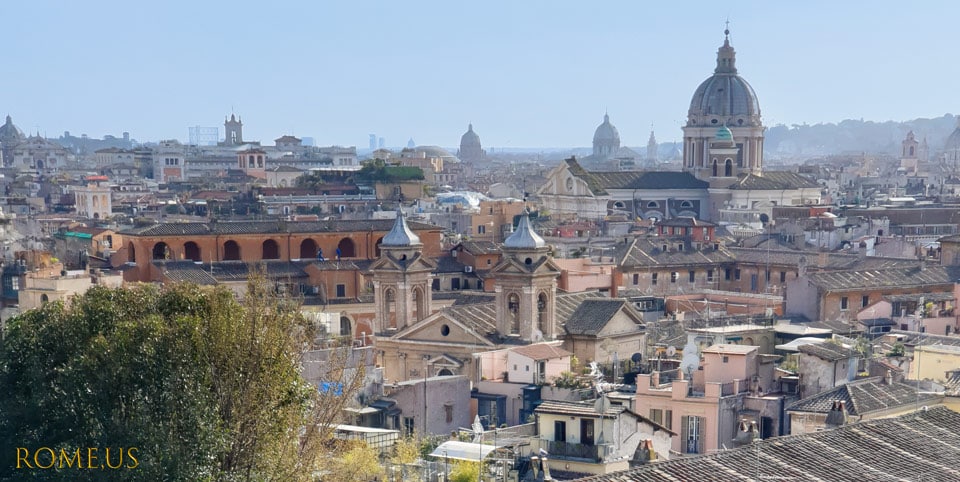
From these vantage points, you’ll be treated to stunning views of the majestic St. Peter’s Basilica in Vatican City, standing proudly in the distance.
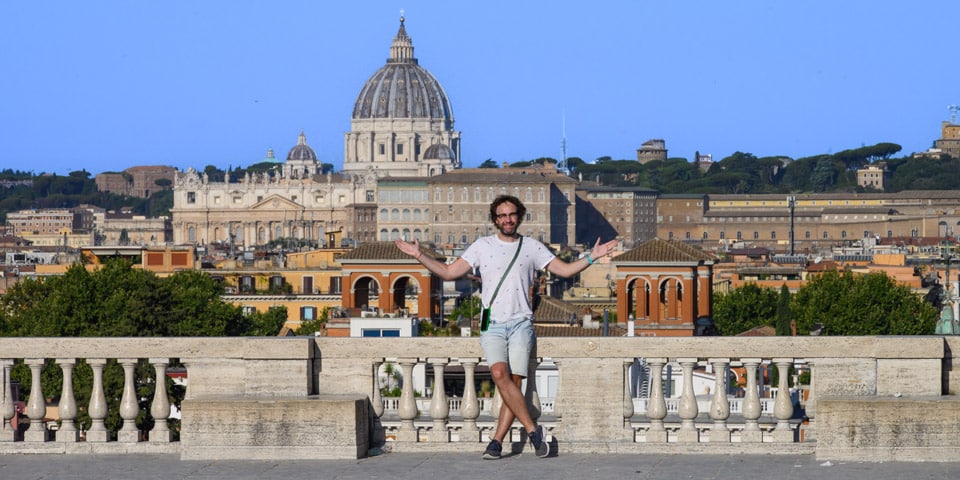
As the sun sets, watch as it slips behind the basilica, casting a warm, golden glow across the skyline – a sight that will leave you in awe.
The Altar of the Fatherland, or Vittoriano, is another impressive landmark visible from the observation decks.
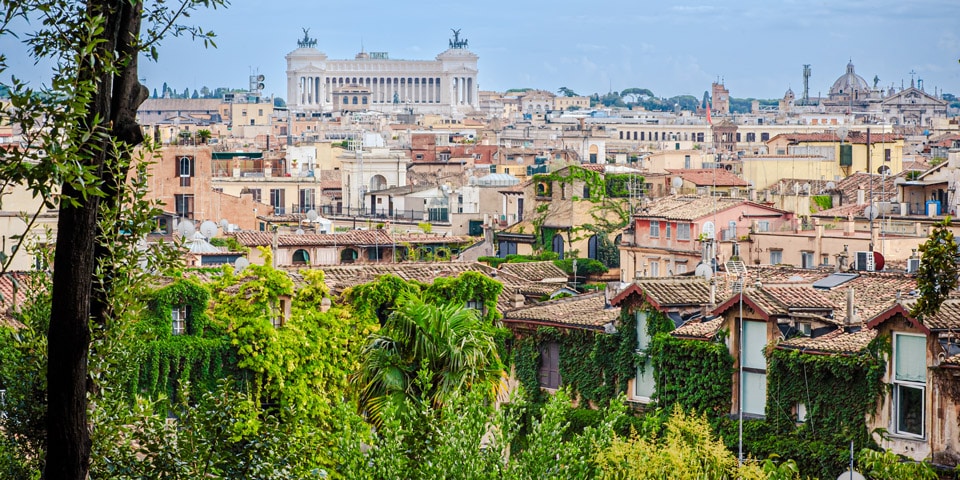
This grand monument, dedicated to the unification of Italy and its first king, Victor Emmanuel II, adds a sense of history and grandeur to the scene.
The iconic dome of the Pantheon, one of the best-preserved ancient Roman structures, is also clearly visible. Its architectural splendour and historical significance make it a sight not to be missed.
Opposite Villa Borghese, Gianicolo Hill stands tall, offering another fantastic vantage point to admire Rome’s beauty. Known for its romantic atmosphere and panoramic views, Gianicolo is popular with locals and tourists alike.
Visiting the Bioparco di Roma, the zoo located within Villa Borghese, can be an enjoyable experience, especially for families with children. The zoo is home to over 1,000 animals from around 200 different species, including mammals, birds, reptiles, and amphibians. Some of the animals you can expect to see include giraffes, elephants, tigers, bears, and various primates, among others.
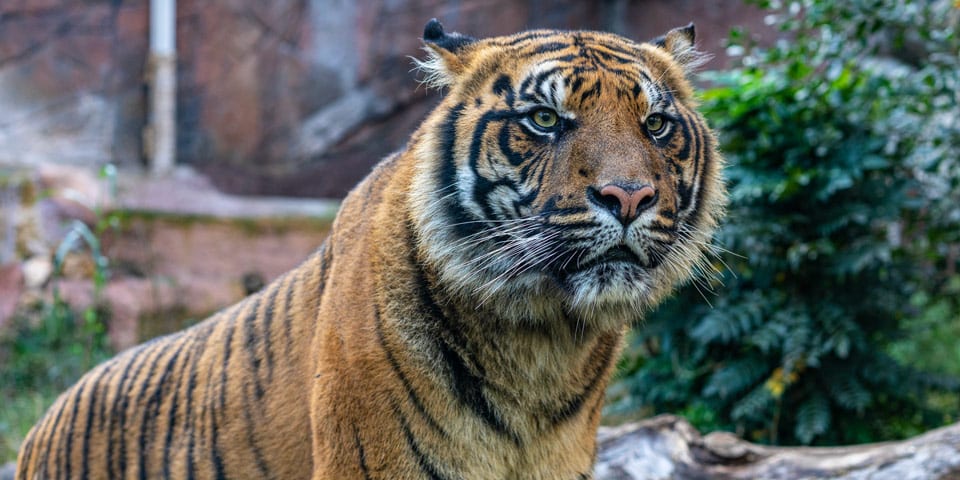
The Bioparco di Roma is dedicated to conservation, education, and research, and it offers a range of interactive experiences, educational programmes, and events for visitors of all ages. Families with children can enjoy the opportunity to observe and learn about various animal species, their habitats, and the importance of conservation efforts.
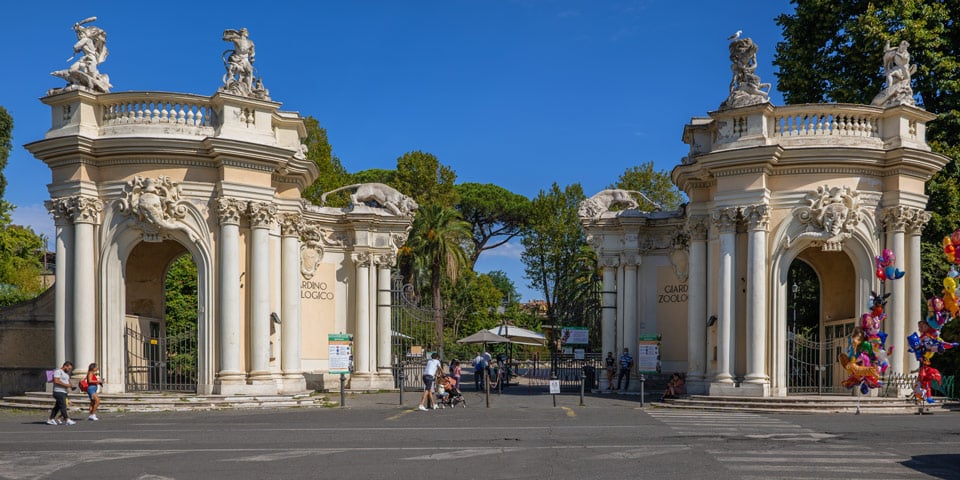
However, it is essential to manage expectations, as the zoo may be smaller and more varied than some other major zoos around the world. If you are visiting Rome and have a keen interest in wildlife, or are travelling with children, the Bioparco di Roma can be an interesting and educational addition to your itinerary.
Ticket prices for the Rome Zoo start at €13.50 and vary depending on the chosen date. An open-date ticket is more expensive. If you’re certain of your plans, it’s best to buy a ticket online several weeks in advance to save money.
Official website: [www.bioparco.it/en/home/](http://www.bioparco.it/en/home/)
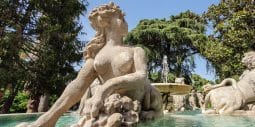
Villa Borghese is home to several beautiful fountains, each with its own charm and artistic value. Although the exact number of fountains in the park may vary, here are two of the most popular and beautiful fountains you can find in Villa Borghese:
These fountains add to the park’s beauty and reflect Rome’s artistic and cultural heritage.
Nestled in the heart of the expansive Villa Borghese Gardens, you’ll find a serene and picturesque spot – Villa Borghese Lake. This charming oasis provides a welcome escape from the bustle of Rome, offering a tranquil setting for relaxation and leisure.
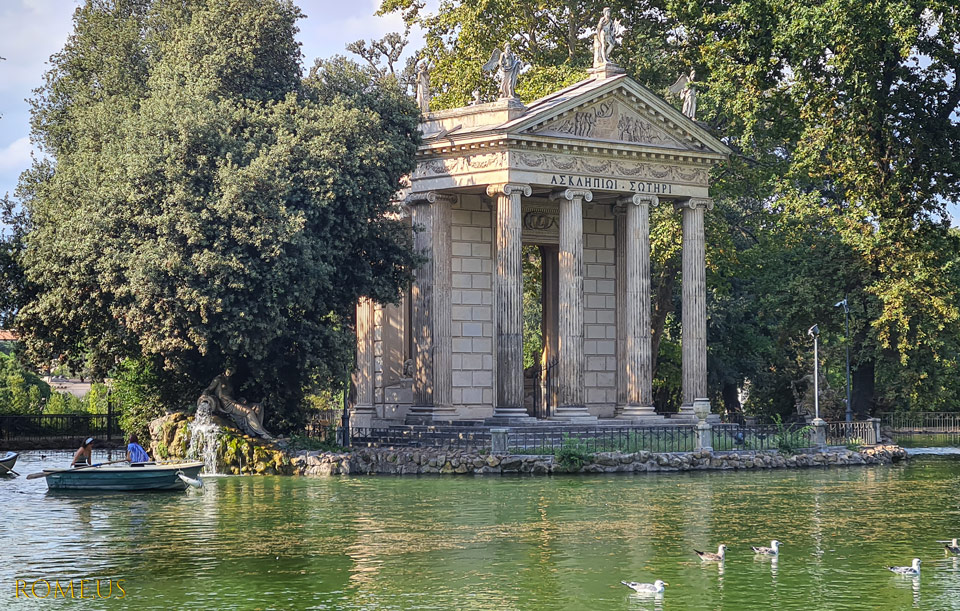
The lake itself is a delightful feature of the park, surrounded by lush greenery and dotted with waterfowl gliding across the water. At the centre of the lake, there’s a small island, home to the enchanting Temple of Aesculapius, an architectural gem that adds a touch of elegance to the landscape. Designed by Antonio Asprucci and completed in 1786, this Neoclassical temple is dedicated to Aesculapius, the ancient Greek god of medicine and healing. The temple’s design, with Ionic columns and a marble statue of the god, creates a captivating focal point for visitors.
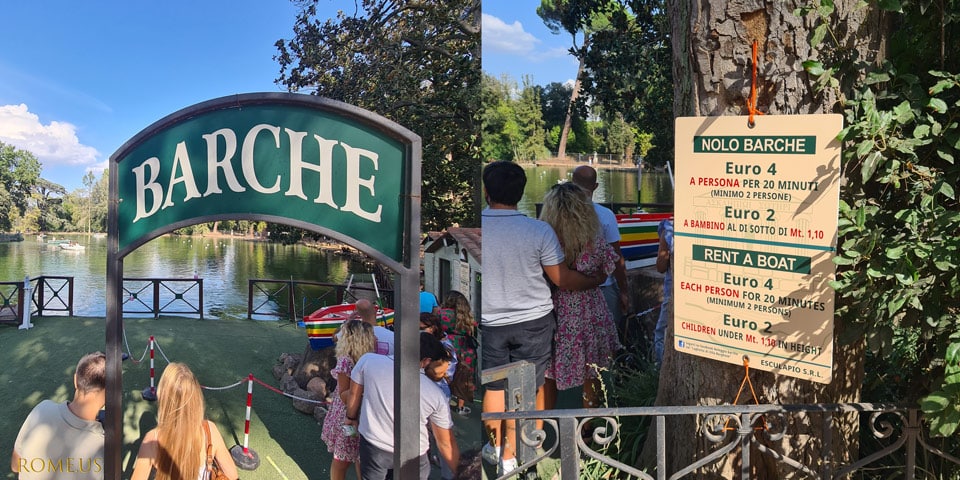
One of the loveliest ways to experience the lake and its surroundings is by hiring a rowboat. This gives visitors the chance to explore the lake at a leisurely pace and enjoy splendid views of the temple and park from a different perspective. The calm waters and charming scenery make it an ideal activity for couples and families alike. In fact, the romantic atmosphere is perfect for special moments, such as a marriage proposal or an anniversary celebration.
So, if you’re looking for a memorable experience while visiting Villa Borghese, consider spending some time at the lake, where you can soak up the beauty and tranquillity of this enchanting Roman spot.
Read also about the Vatican Gardens.
The Orologio ad Acqua del Pincio, or the Pincio Water Clock, is a fascinating and unique attraction near the Pincio Terrace. Constructed in 1867 by the Dominican father and inventor Giovanni Battista Embriaco, this historic water-powered clock is a testament to the ingenuity and creativity of 19th-century engineers.
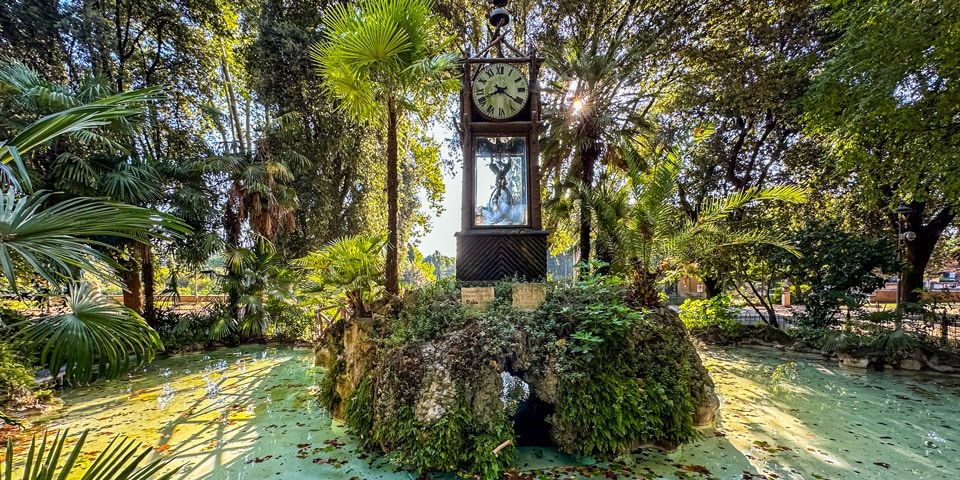
The clock’s mechanism works by using a constant flow of water, which powers a series of gears and balances. The water is directed through a series of basins and vessels that are carefully calibrated to measure time accurately. As the water fills and empties these vessels, it sets the clock’s hands in motion, allowing it to display the current time.
The Pincio Water Clock is not only an intriguing historical artefact but also a peaceful spot to pause. The sound of flowing water and the surrounding greenery create a calming atmosphere, making it an ideal place to relax and reflect while appreciating the clever technology of the past.
As you stand near this remarkable timepiece, take a moment to admire its intricate design and consider the skill and knowledge required to create such an innovative mechanism using the simple power of water. It truly is a marvel of engineering and a testament to human ingenuity.
The museum complex in the park’s centre is a real gem of Villa Borghese.
It consists of the National Gallery of Modern Art (Italian: Galleria Nazionale d’Arte Moderna), the Borghese Gallery (Italian: Galleria Borghese), and the National Etruscan Museum (Italian: Museo Nazionale Etrusco).
The Galleria Borghese was built by Cardinal Scipione Borghese. At the time of his death, the collection of paintings, sculptures, and other art objects consisted of about 800 exhibits, including original canvases by Raphael, Caravaggio, Botticelli, Titian, and other brilliant artists of the Italian Renaissance. World-famous is the part of the collection featuring sculptures by Gian Lorenzo Bernini (Davide, Neptune, Apollo and Daphne, etc).
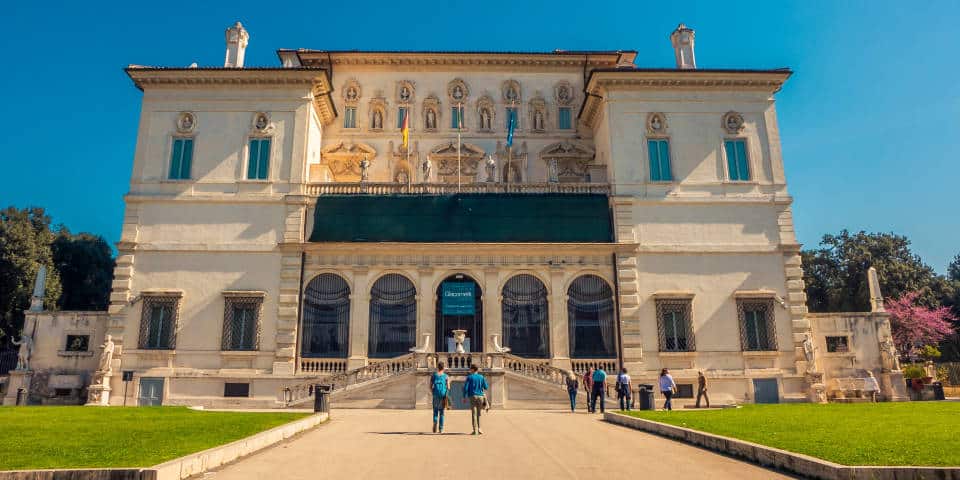
Now, the Galleria Borghese occupies the first and second floors of the villa located in the park. Among its exhibits are well-preserved ancient sculptures, an extensive collection of busts of Roman emperors created in the 16th century, and canvases from the 15th to 18th centuries.
Previously, Villa Giulia was a papal summer residence. Today, it is a large museum dedicated to Etruscan culture, called the National Etruscan Museum. The museum’s collection includes a variety of ancient Etruscan artworks: sarcophagi, statues, jewellery, vases, bronze, and copper items. A ticket to the museum costs €4, and opening hours are from 08:30 to 19:30. Closed: every Monday, Catholic Christmas on 25th December, and New Year on 1st January.
The National Gallery of Modern Art is located in the Villa Borghese Gardens, in a grand early 20th-century building. Today, it contains more than 5,000 exhibits, including canvases by Van Gogh, Monet, Degas, Cézanne, and other great masters. The gallery’s exhibition covers the 19th and 20th centuries.
[https://youtu.be/WXVB4JKVfGw](https://youtu.be/WXVB4JKVfGw)
You can reach the park by climbing another of Rome’s landmarks – the Spanish Steps. It consists of 138 steps from Piazza di Spagna to a viewpoint offering an excellent view of the area. The Spanish Steps are not the only way to enter the park. The second entrance is at Porta del Popolo by Piazza del Popolo.
As the park is very large, it’s much better to walk and look for interesting sights using a map.
The International Horse Show at Piazza di Siena is a prestigious equestrian event held within the beautiful grounds of Villa Borghese Gardens in Rome. This significant annual competition, usually taking place towards the end of May, attracts top riders, horses, and equestrian enthusiasts from around the world, making it an important fixture on the global equestrian calendar.
Held in the historic Piazza di Siena, a stunning open space designed in the 18th century, the event offers a unique and charming backdrop for showcasing the skills and talents of the participants.
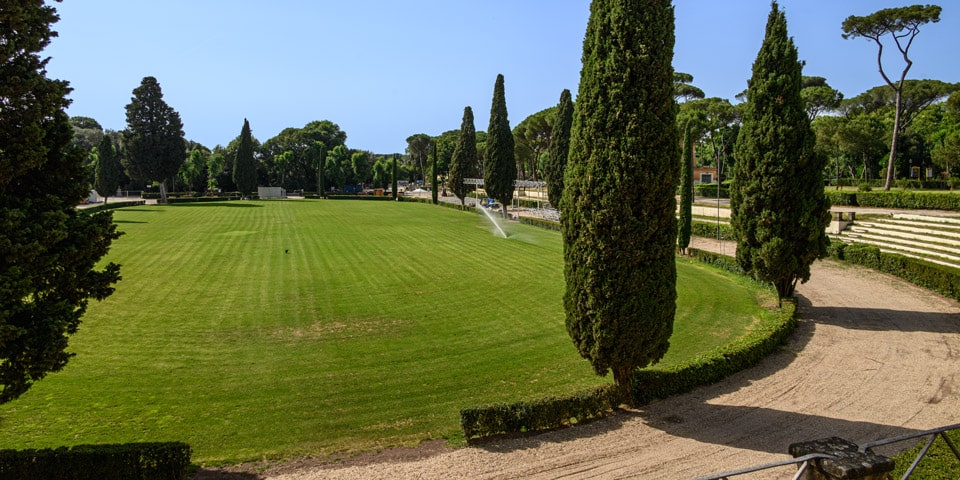
Featuring various equestrian disciplines such as show jumping, dressage, and eventing, the International Horse Show allows spectators to witness the beauty, power, and grace of these magnificent animals and their riders in action.
Attending the event at Piazza di Siena is an opportunity to enjoy world-class equestrian sport and explore Villa Borghese Gardens, with its art, culture, and natural beauty. To see the current programme and schedule, visit the official website at [www.piazzadisiena.it/en/](http://www.piazzadisiena.it/en/) and plan your visit to this extraordinary equestrian event.
RomeItaly.guide © 2026. Created with love by Roman experts and guides.