
991228 travellers read
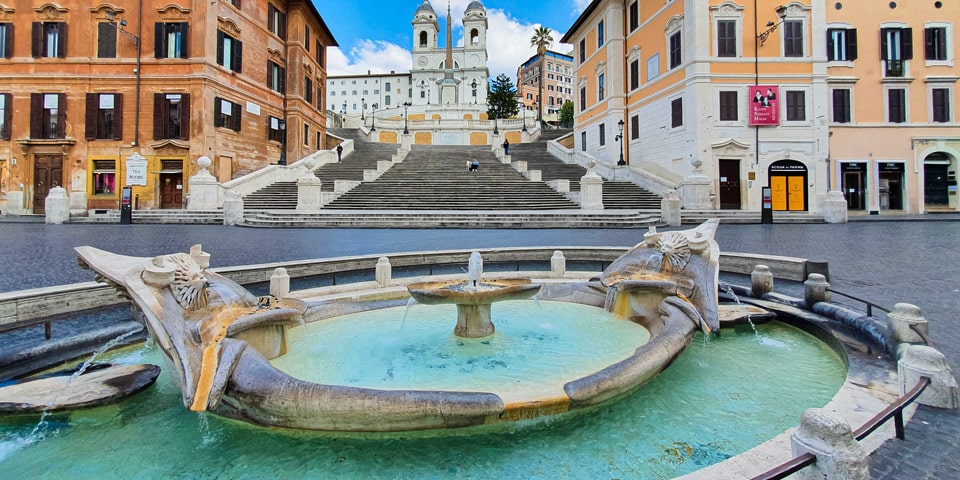
In the heart of Piazza di Spagna, at the base of the magnificent Spanish Steps, stands the Fontana della Barcaccia, a unique and historically significant monument in Rome. Constructed between 1626 and 1629 by Pietro Bernini, with possible contributions from his renowned son Gian Lorenzo Bernini, this fountain is a testament to Rome’s rich history. Pope Urban VIII Barberini commissioned it as part of a broader initiative to improve the city’s water supply, marking an important chapter in Rome’s past.
The Fontana della Barcaccia owes its distinctive boat shape to a poignant legend from the Roman flood of 1598. During this devastating event, the Tiber River overflowed, and the floodwaters carried a boat all the way to Piazza di Spagna.
On 25 December 1598, the river reached a height of 19.56 metres above sea level. When the waters receded, the boat was left stranded on the very spot where the fountain now stands. This legend inspired Bernini to design the fountain as a semi-submerged boat, symbolising resilience and survival in the face of adversity.
The Fontana della Barcaccia is fed by the Acqua Vergine aqueduct, originally constructed in 19 BC by Marcus Vipsanius Agrippa. Restored by Pope Urban VIII in 1623, the aqueduct provides water with insufficient pressure to create high jets or waterfalls. To address this challenge, Bernini ingeniously designed the fountain to sit slightly below ground level, allowing the water to flow gracefully into the boat-shaped basin.
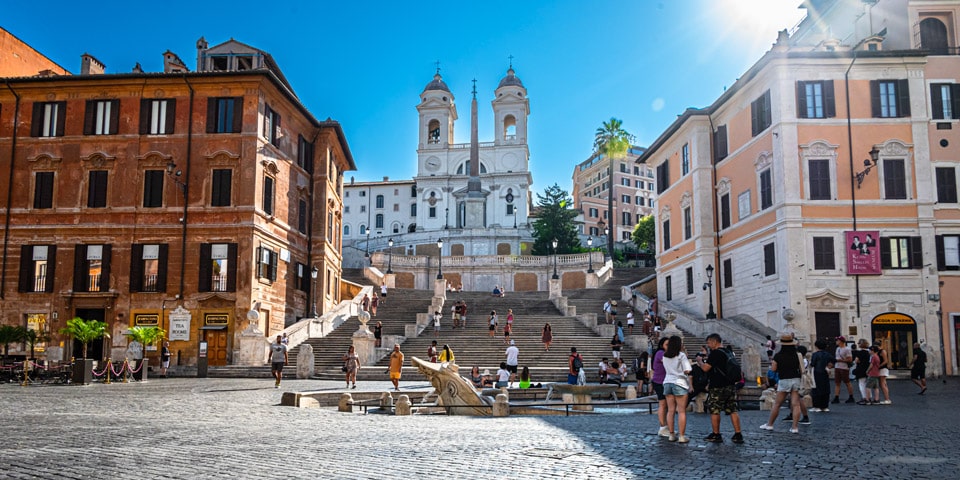
Water pours from an elongated central basin and two giant suns, with additional jets emerging from decorative cannon-like spouts on the sides, creating a visually captivating and functional masterpiece.
Read also about the Park of the Aqueducts.
Commissioned by Pope Urban VIII, the Fontana della Barcaccia was part of a larger project to construct public fountains in Rome’s main squares, using the renovated Acqua Vergine aqueduct. The fountain’s innovative design, which marked a departure from traditional geometric forms, is a fascinating blend of art and engineering. It embraces a more sculptural approach that reflects the naturalistic tendencies of Mannerist art.
The fountain’s name, “Barcaccia,” refers to the low, flat-bottomed river boats used in the 17th century to carry cargo across the Tiber, embodying the theme of fruitfulness and abundance.
The Fontana della Barcaccia holds a special place in literary history due to its connection with the poet John Keats. During the final months of his life, Keats lived in a house near the Spanish Steps, struggling with tuberculosis. He found solace in the soothing sound of the fountain’s flowing water, which inspired his epitaph:
“Here lies one whose name was writ in water.”
Although Keats died on 23 February 1821, his friend Joseph Severn ensured his legacy by having a more detailed inscription engraved on his tombstone, reflecting the poet’s profound impact and the critics’ failure to recognise his genius.
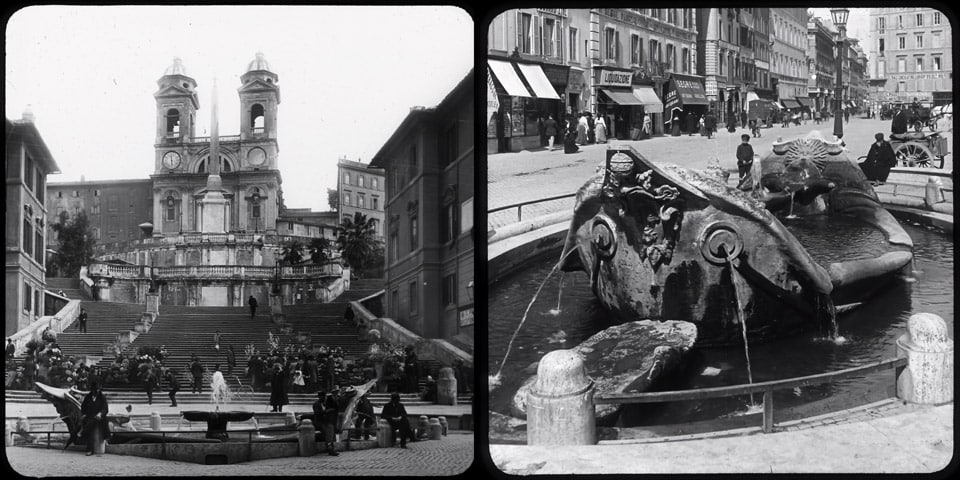
Having functioned for almost 400 years, the Fontana della Barcaccia continues to captivate visitors. Remarkably, this fountain, constructed in the early 17th century, remains operational and enchanting. A 1910 photo by G. Massiot & Cie shows a view of the square and the fountain, illustrating how little has changed since then.
The fountain’s design invites visitors to interact with it directly, allowing them to drink the pure and delicious Acqua Vergine water. Travertine platforms at the bow and stern provide convenient access to the refreshing jets.
Positioned at the foot of the Spanish Steps, the Fontana della Barcaccia offers a picturesque and historically rich setting, making it an ideal spot to pause, reflect, and appreciate Rome’s artistic heritage.
Nearby landmarks, such as the Keats-Shelley Memorial House, enhance the cultural value of a visit, providing deeper insights into the area’s historical and literary connections.
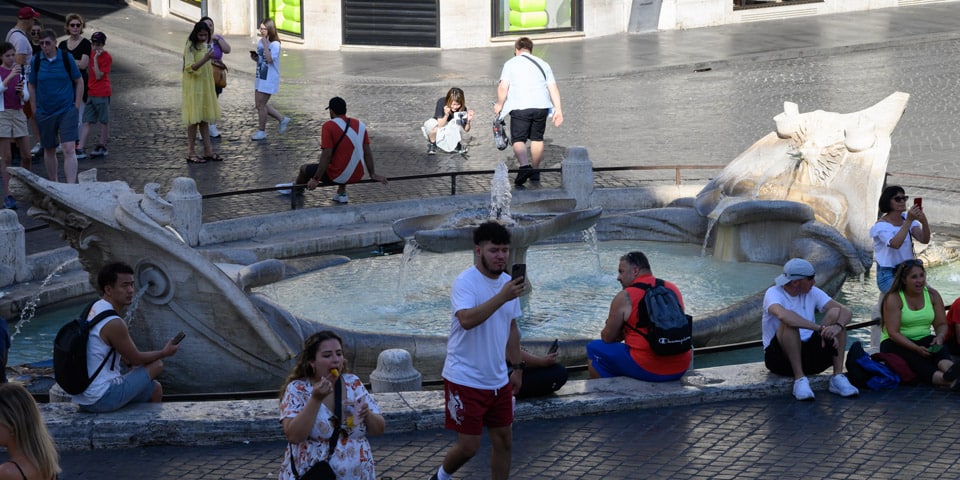
Visitors today can marvel at how the fountain has seamlessly integrated into the life of the square over the centuries, standing as a testament to Rome’s rich history and enduring beauty. Its timeless design continues to enchant visitors from around the world, highlighting the lasting appeal of art and history.
RomeItaly.guide © 2026. Created with love by Roman experts and guides.