

28981 travellers read
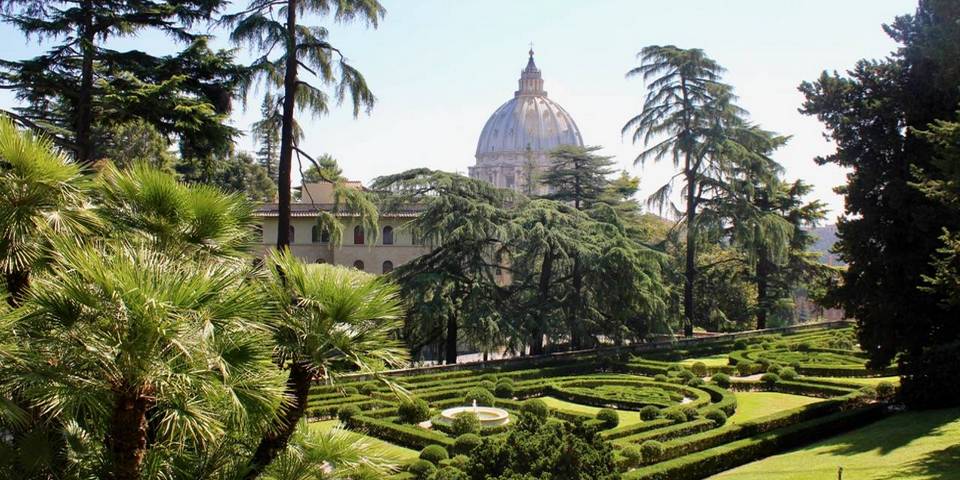
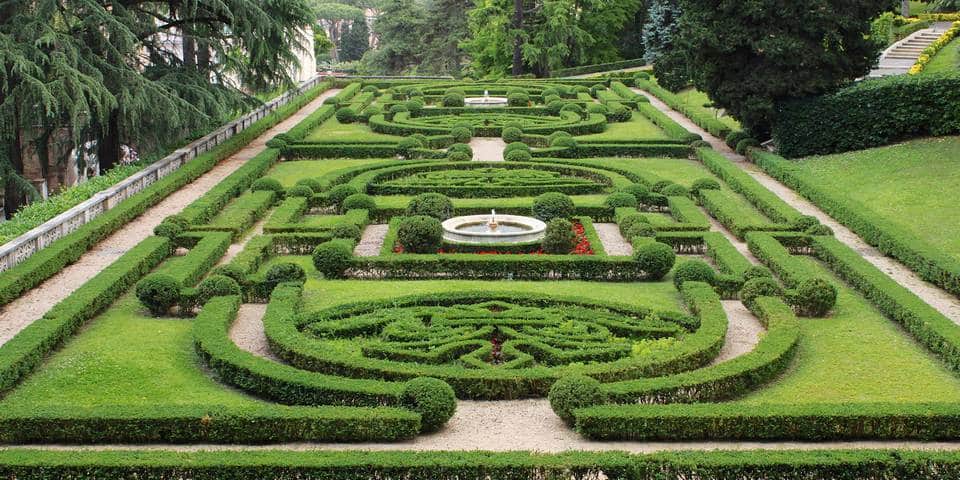
The Vatican Gardens (Latin: Horti Civitatis Vaticanae; Italian: Giardini Vaticani) are exceptionally beautiful private gardens and parkland dating back to the 16th century in Vatican City, located within the city of Rome. The gardens cover more than half of the country, are owned by the Pope, and are considered the world’s smallest sovereign state.
Below is our Ultimate Guide to the Vatican Gardens. All provided information and facts are checked and updated in October 2026.
Their grounds cover 23 hectares (57 acres), with the highest point at 60 metres (200 ft) on Vatican Hill. You’ll need to plan your visit, as entry is only possible with a reservation. The gardens are often described as the Pope’s private retreat, which you can visit on a two-hour walking-and-bus tour.
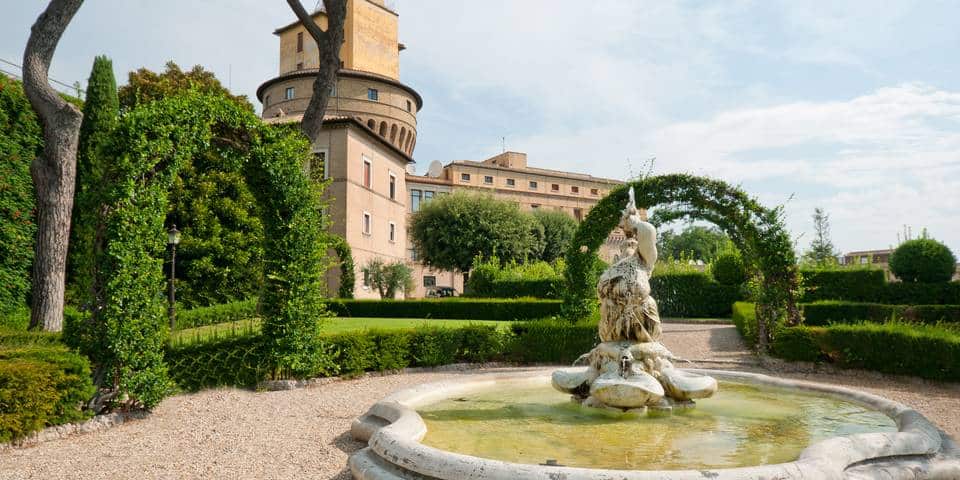
The Vatican Gardens are surrounded by stone walls to the north, south and west.
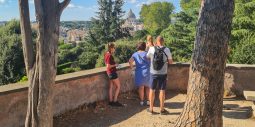
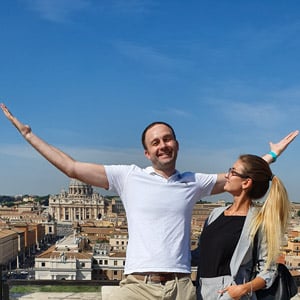
They were established during the Renaissance and Baroque periods, and there are various fountains and sculptures throughout the gardens. However, there is no public access except via special group tours organised by the Vatican. There are also 16 Marian images revered worldwide, placed at the designation of the Roman Pontiff (the Pope), the owner of the gardens. As well as greenery, sculptures and fountains, the grounds include the Governor’s Palace and Vatican Radio. You can see the gardens when you climb up the dome of St Peter’s Basilica, from one of the highest viewpoints in Rome.
According to pious tradition, the site of the Vatican Gardens was covered with sacred soil brought from Mount Calvary by Saint Helena, the mother of Emperor Constantine. Through this gesture, she wanted symbolically to unite the blood of Jesus Christ with that shed by early Christians who died during the persecution of Emperor Nero. The Vatican Gardens date back to medieval times, when vineyards and orchards extended to the north of the Papal Apostolic Palace.
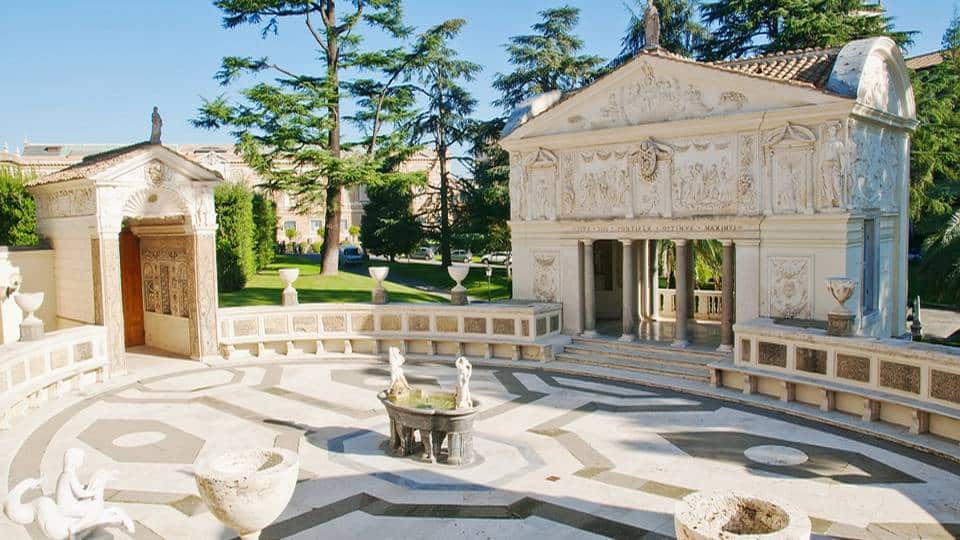
In 1279, Pope Nicholas III decided to move his residence back to the Vatican from the Lateran Palace, so the area became enclosed by walls
However, at the beginning of the 16th century, the gardens were redesigned during the pontificate of Pope Julius II. Donato Bramante’s plan proposed dividing the gardens into three new courtyards: the Cortili del Belvedere, the “della Biblioteca,” and the “della Pigna” (Pine Cone), in the Renaissance style.
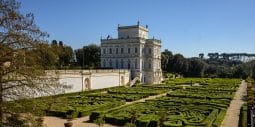
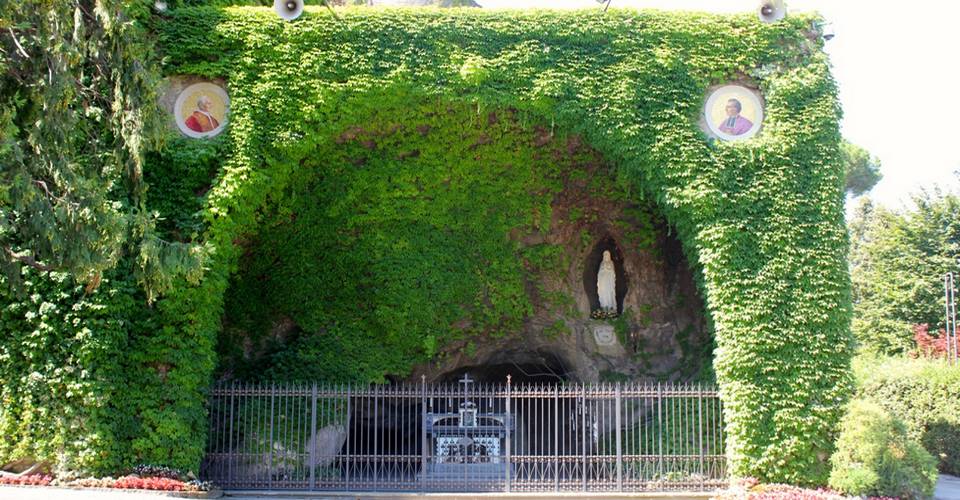
Moreover, a rectangular labyrinth planted in box and decorated with Italian stone pines and cedars of Lebanon was added to the design. Today, the Vatican Gardens contain many medieval buildings and monuments from the 9th century to the present day, alongside flowers and greenery. One of the gardens’ most notable features is an artificial grotto dedicated to Our Lady of Lourdes (Grotta di Lourdes), a replica of the Lourdes Grotto in France, as well as an olive tree donated by the government of Israel.
The Vatican offers tours of its gardens, most of which are in English and take place in the morning. Tours typically run between 08:30 and 09:30. Read about my experience of the Group Tour of the Vatican Gardens.
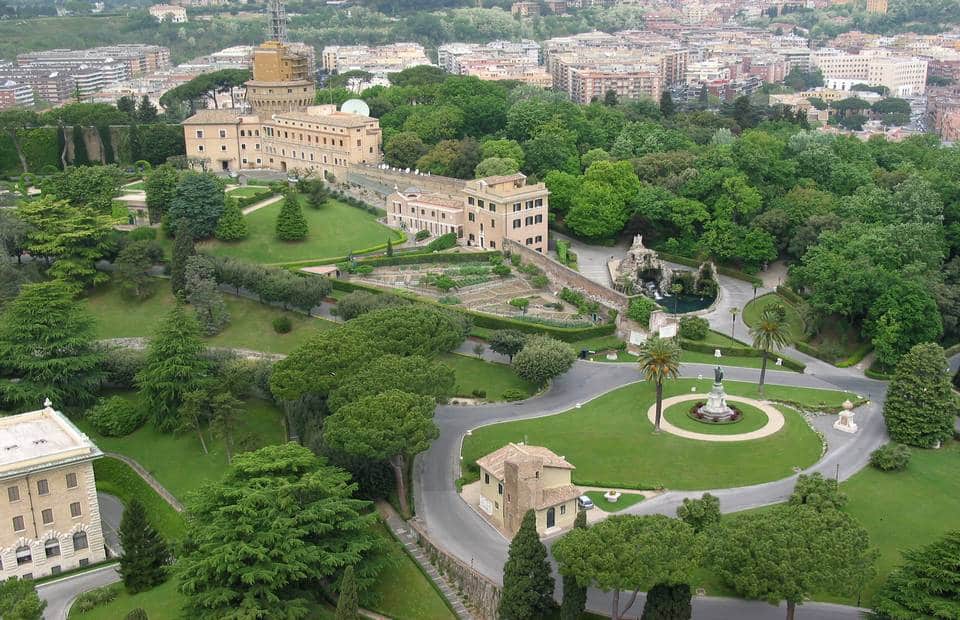
Watch our vlog about the Eternal City and a private tour of St Peter’s Basilica, Square, plus instructions on how to climb up the dome. You can book this tour here. Discover a breathtaking view of the gardens from the dome of the Basilica in our video.
RomeItaly.guide © 2026. Created with love by Roman experts and guides.