Written by: Kate Zusmann
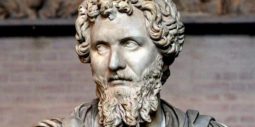
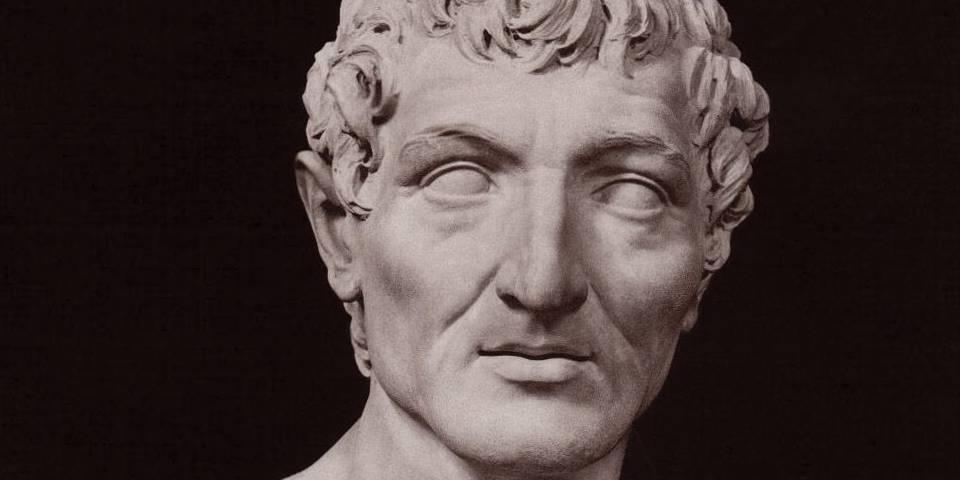
Marcus Cocceius Nerva ruled Rome from AD 96 to 98. The Senate recognised him as emperor after Domitian was assassinated. Nerva’s reign lasted about sixteen months and is best remembered for his adoption of Trajan, who succeeded him without a new civil war.
Nerva came from a family with a long record of service at Rome. He held the consulship alongside Vespasian in AD 71 and again with Domitian in AD 90. His public career had also brought him imperial honours under Nero.
Domitian was killed in a palace conspiracy in September AD 96. The murder ended the Flavian dynasty. The Senate accepted Nerva on the same day. His new position depended heavily on the Senate, while parts of the army and the Praetorian Guard remained loyal to Domitian. Nerva’s involvement in the conspiracy is uncertain.
The Senate condemned Domitian’s public memory after his death. His name was removed from many inscriptions, and some portraits were reworked. The palace Domitian had built on the Palatine Hill remained an imperial residence.
Nerva halted prosecutions for treason and reversed some penalties imposed by his predecessor. A series of coins proclaimed an end to abuses in the collection of the Jewish tax, the fiscus Iudaicus. The tax itself remained in force.
Nerva appointed Frontinus to oversee Rome’s water supply. In AD 97 he inaugurated the forum that bears his name, although Domitian had started the project. It occupied a narrow strip between earlier imperial complexes and served as a passage, an arrangement reflected in its other name, the Forum Transitorium. The Museum of the Imperial Fora explains its layout and history.
In AD 97 the Praetorians mutinied and demanded the deaths of the men who had killed Domitian. Nerva could not protect them. His authority was weakened, and in October he adopted Trajan, a commander with the support of the army, as his heir. The choice gave Rome an experienced successor at a moment when the emperor’s grip on power was uncertain.
Nerva died in January AD 98. His ashes were placed in the Mausoleum of Augustus. Trajan succeeded him, and the transfer of power held.
RomeItaly.guide © 2026. Created with love by Roman experts and guides.