
992122 travellers read
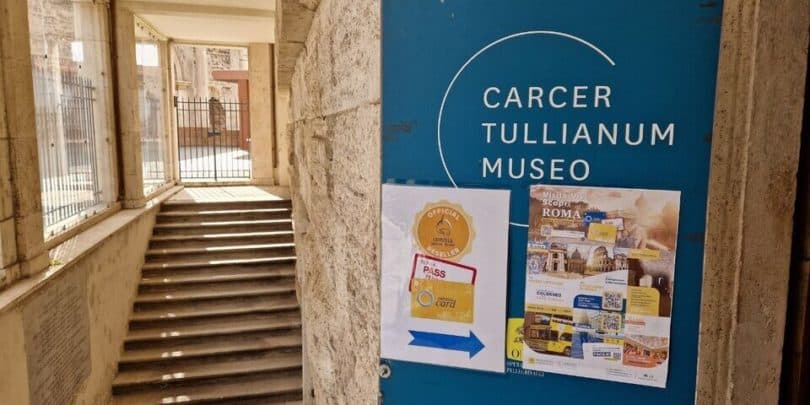
Mamertine Prison (Carcere Mamertino, Carcer Tullianum) was one of ancient Rome’s oldest prison sites.
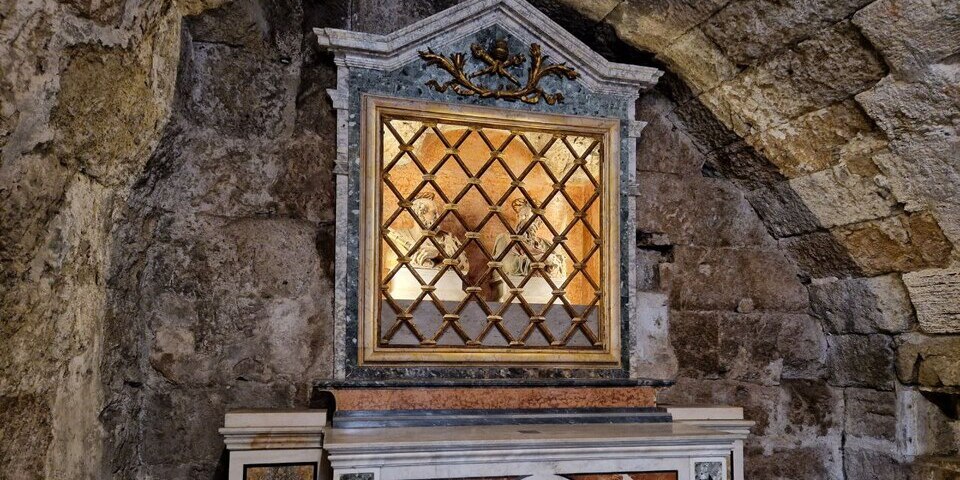
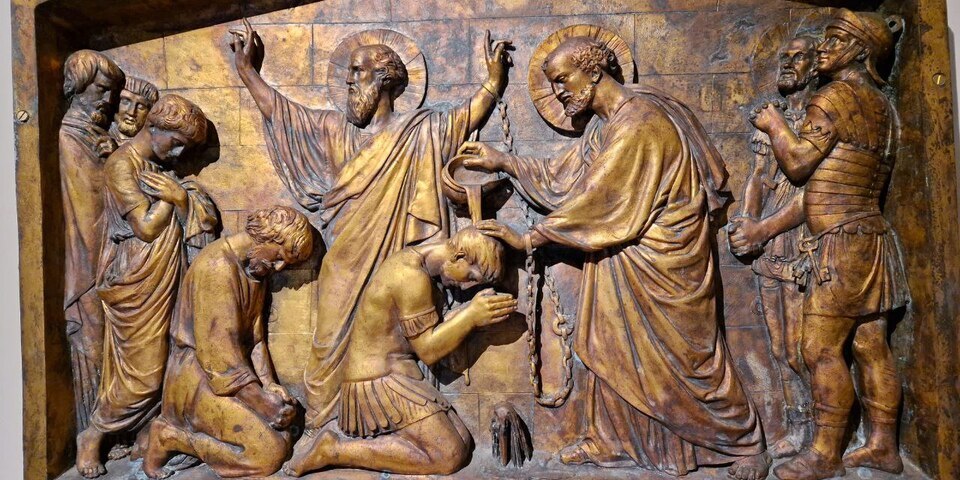
When someone received a death sentence, they were sent here to await execution. Although there is no proof, legend says that the apostle’s Peter and Paul were also detained in this prison. They began their journey to martyrdom from this prison: Paul toward the Aquae Salviae and Peter toward the Circus of Nero near the Vatican. In honour of Peter, a small altar has been erected in the Carcer.
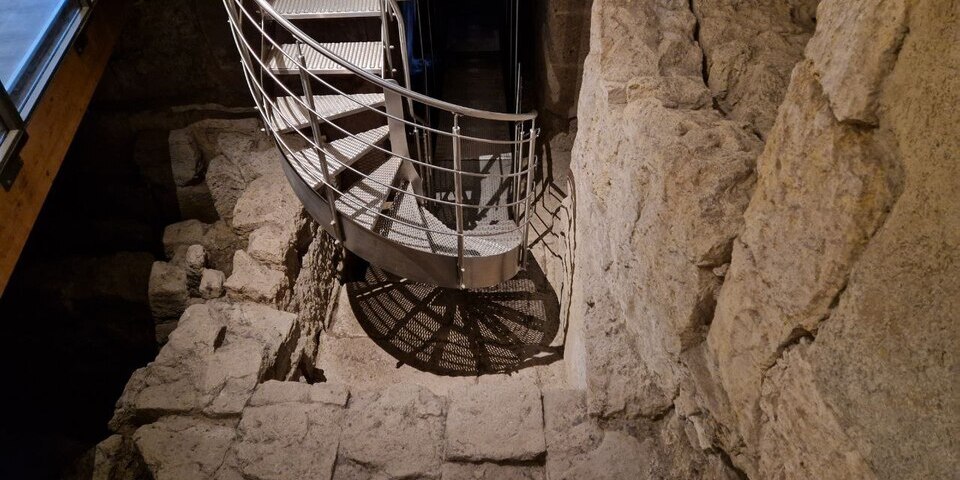
Before being part of the prison, the Tullianum was a structure linked to the water element. Water that reaches the ground arising out from the dark depths of the earth; water that comes out from a “hole” (spring) which allows “what was down” to interact with “what was up” (and vice versa).
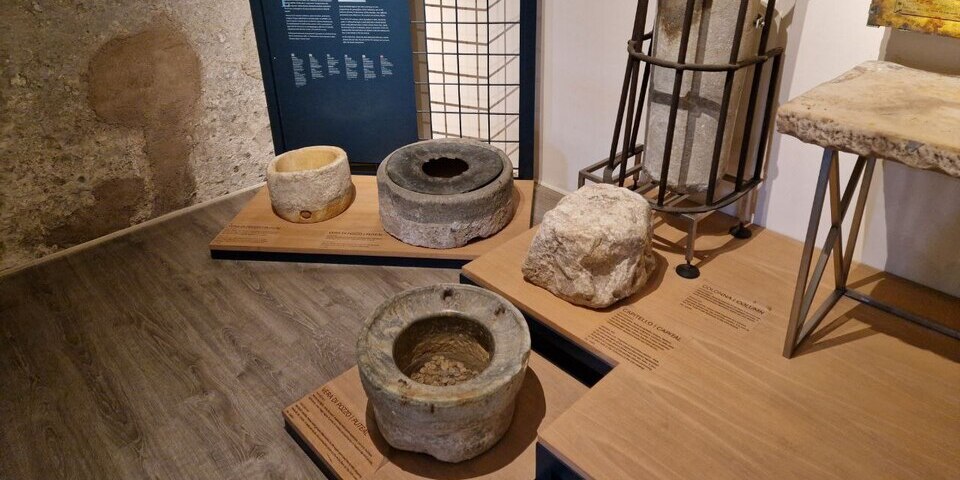
It is thought that the Carcer-Tullianum was a public building with, a religious aspect since votive objects, dating from when it was a unique structure with the Carcer, were found inside the Tullianum.
Read about where is the Vatican church.
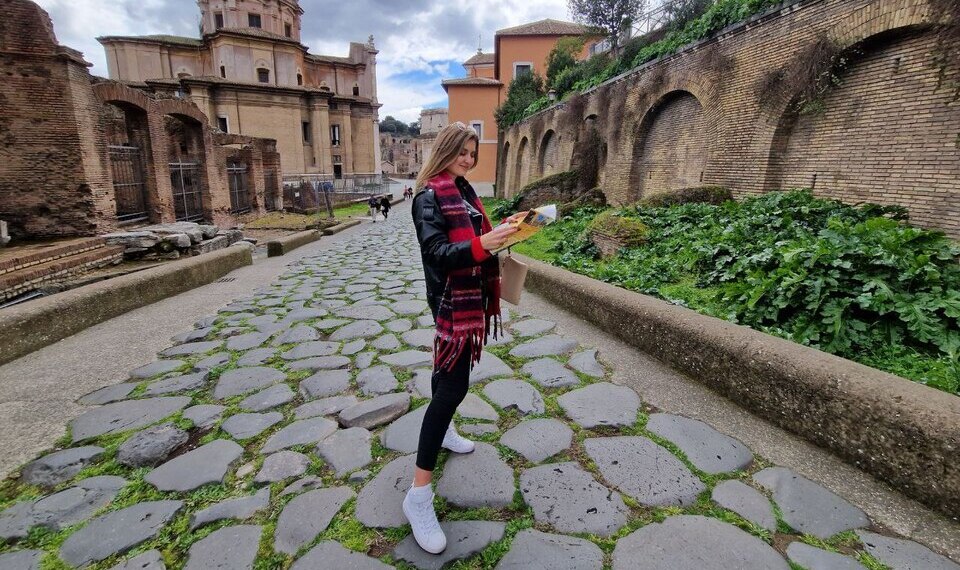
Walking to the Mamertine Prison from Via dei Fori Imperiali was convenient and scenic, and took me past the Forum of Caesar.
For true Christians and history enthusiasts, this site is a profound experience, linked to the history of St Peter. The atmosphere inside is somber yet quiet, and reflects early Christian traditions.
You will also be interested in reading about the Basilica of Saint Paul outside the walls and St Peters Square.
Acts of the Apostles, chapter 12, describes an event known as the liberation of the apostle Peter, in which an angel liberates him from prison. Even though the story is briefly mentioned in the scripture, it has inspired several works of art and theological discussions.
The apostle Peter is depicted in his cell after being arrested in Jerusalem in a 1631 painting St. Peter in Prison (The Apostle Peter Kneeling) by Rembrandt.
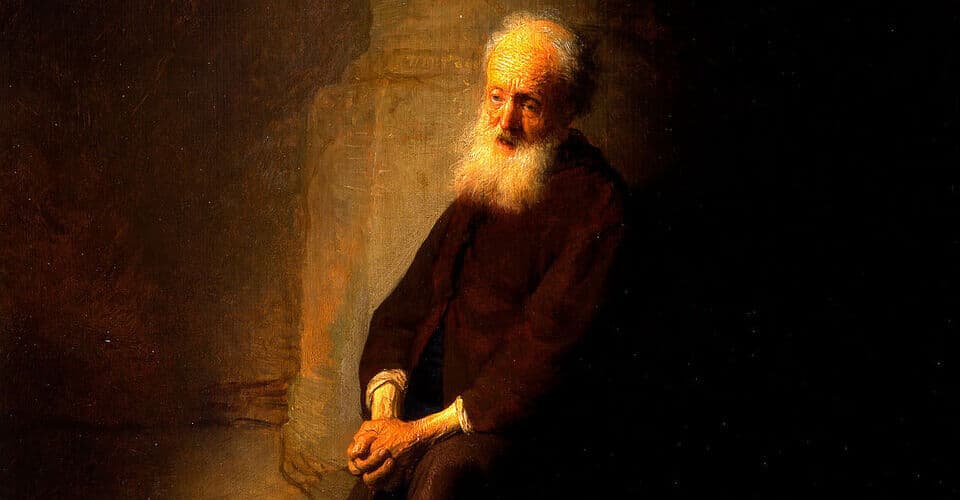
He is illuminated by a shaft of soft, golden light that emanates from an unseen source and completely obscures a huge portion of the artwork. Nonetheless, the saint’s distinguishing feature is immediately apparent: two metal keys that represent the keys to the kingdom of Heaven that Jesus bestowed on him and, in this context, alluding to the irony of his imprisonment. This painting is located in Leiden, Holland.
The Liberation of Saint Peter is one of the most famous artworks of the artist. Antonio de Bellis (c. 1616, c. 1656) was an Italian painter from Naples, active in the Baroque period.
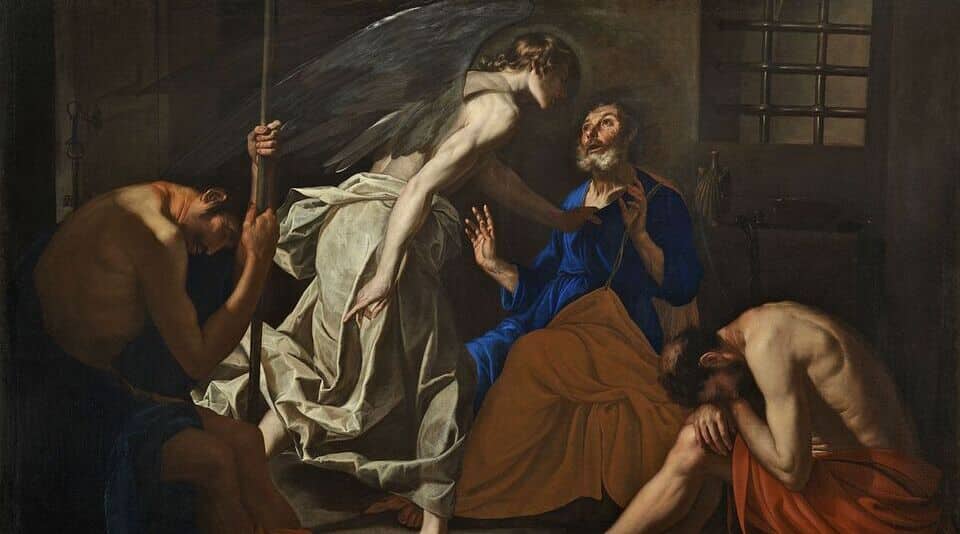
He was one of the essential artists working in Naples in the first half of the seventeenth century, along with Jusepe de Ribera, Bernardo Cavallino, and Massimo Stanzioni. Caravaggio mainly influenced the painter.
Saint Peter Enthroned Between Saint Paul and the Faithful (1370-1371) by Jacopo di Cione painting is inside the Pinacoteca of the Vatican Museums.
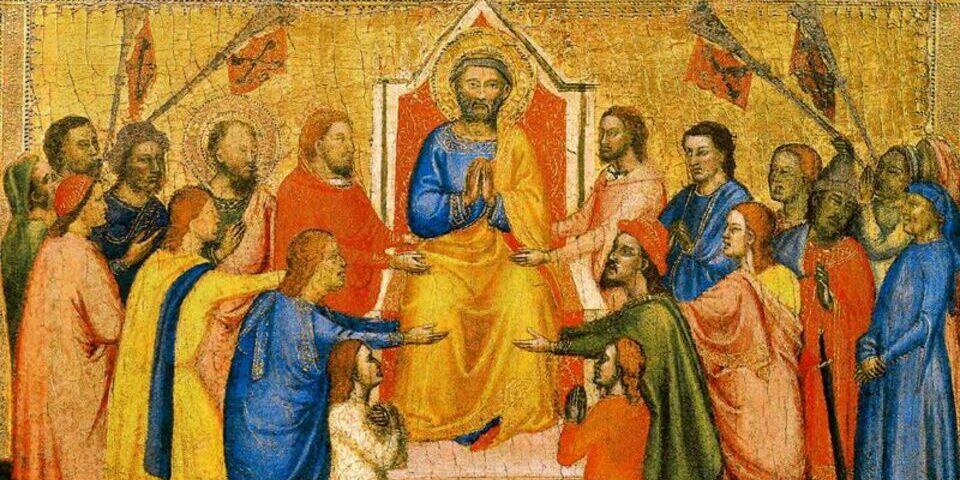
The artist was an Italian Gothic painter from the Republic of Florence. His work dates to the fourteenth century.
Saint Peter in Tears by Bartolomé Esteban Murillo dates to c.1650-1655.
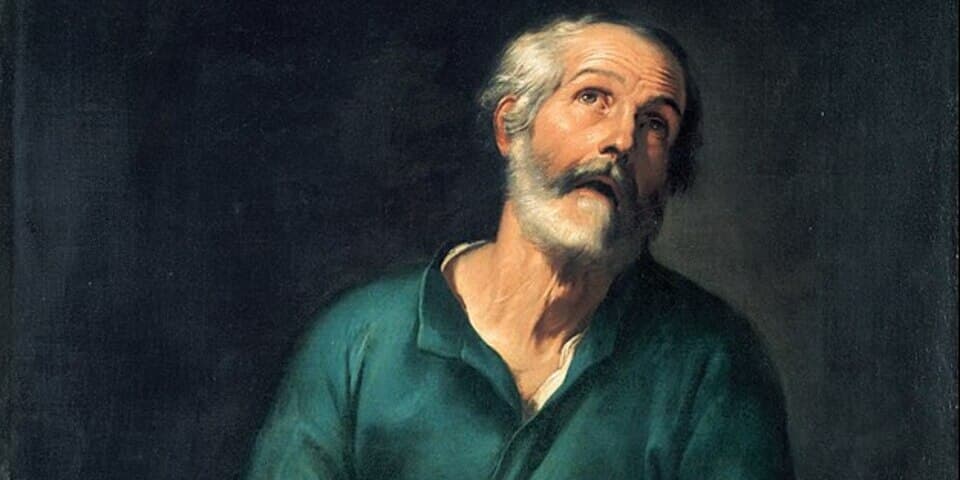
It is an oil on canvas that is nowadays located in the Bilbao Fine Arts Museum (bilbaomuseoa.eus).
RomeItaly.guide © 2026. Created with love by Roman experts and guides.