RomeItaly.guide
  • About us
  • Where to Stay
    • Best 3-Star Hotels
    • Hostels for Solo Travellers
    • Hotels with Views
    • Near the Colosseum
    • Near Termini Station
  • Ancient Sites
    • Baths of Diocletian
    • Castel Sant’Angelo
    • Colosseum
    • Pantheon
    • Roman Forum
  • Visiting Vatican
    • Sistine Chapel
    • Vatican Museums
    • St Peter’s Basilica
    • St Peter’s Dome
  • Museums & Galleries
    • Ara Pacis Augustae
    • Borghese Gallery
    • Palazzo Farnese
  • Hills
    • Aventine
    • Capitoline
    • Janiculum
    • Pincian
  • Fountains & Squares
    • Acqua Paola
    • Altar of the Fatherland
    • Bernini’s Elephant
    • Four Rivers Fountain
    • Piazza Navona
    • Spanish Steps
    • Turtle Fountain
    • Trevi Fountain
  • Parks & Gardens
    • Knights of Malta Keyhole
    • Orange Garden
    • Rose Garden
    • Villa Doria Pamphilj
    • Villa Borghese
    • Villa Sciarra
    • Umbrella Pine Trees
  • How to Get
    • Fiumicino Airport ➡️ Rome
  1. Home ›
  2. Roman Emperors

Roman Emperor Vespasian

Written by: Kate Zusmann

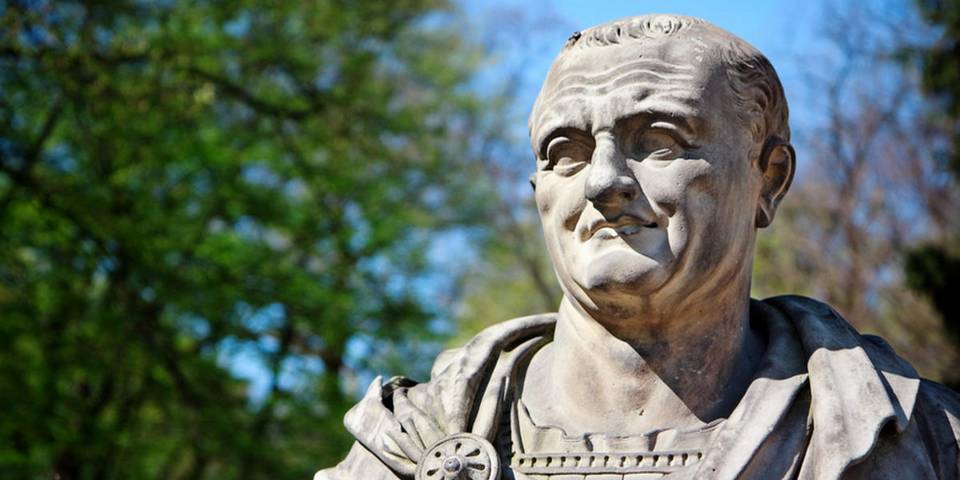
Kaiser Vespasian

Vespasian ruled Rome from AD 69 to 79. He emerged from the civil war that followed Nero’s death and founded the Flavian dynasty, which continued under his sons Titus and Domitian.

Contents3 sections · ~1 min read
  1. From army command to emperor
  2. Rebuilding Rome and the Colosseum
  3. Death and succession

From army command to emperor

Titus Flavius Vespasianus was born near Reate, now Rieti, in AD 9. Under Claudius, he commanded the Second Legion in the invasion of Britain in AD 43. He later held office in Rome and governed the province of Africa.

Nero sent him to suppress the revolt in Judaea. In July AD 69, troops in Egypt proclaimed him emperor. Forces supporting Vespasian defeated Vitellius’s side and took Rome in December. The Senate recognised Vespasian after the victory. Titus remained to command the campaign in Judaea and captured Jerusalem in AD 70.

Rebuilding Rome and the Colosseum

Vespasian restored state finances after the civil war and ordered new public works. The Temple of Peace was dedicated during his reign. He began building the Colosseum in the valley where Nero had made a lake for his palace. Titus opened the amphitheatre in AD 80. The exact year construction began is uncertain, and the surviving evidence does not establish who carried out most of the building work.

The saying that money has no smell is associated with Vespasian in Suetonius’s account of a tax on urine collection. It survives as an anecdote about his approach to revenue.

Death and succession

Vespasian died in AD 79 after falling ill. Titus became emperor, followed by Domitian in AD 81. The three reigns make up the Flavian dynasty.

Planning a trip to Rome?

Google may show you more of our updates about tickets, opening hours, and visiting Rome.

Add as a preferred source on Google

Kate Zusmann
Rome travel writer & expert Kate Zusmann
years in Rome
12
guides published
117
article updated
Nov 2026
I’ve lived in the Eternal City for the past 12 years. They say every corner of Rome holds a story, and I’m here to share some of the most fascinating historical facts and local legends.
All guides by Kate →

More Rome guides

Vatican Museums Visitor Guide

The Vatican Museums

Rome Italy Tourist Attractions

Top 30 Attractions in Rome

Beste Hotels in Rom mit Aussicht

Best Hotels with Views in Rome

How to Book Vatican Museums & Sistine Chapel Tickets

How to Book Vatican Museums & Sistine Chapel Tickets

St. Peter's Basilica dome seen through the trees from the far side of Piazzale Garibaldi, Rome

Janiculum Hill (Gianicolo): Viewpoints and Walking Route

Kaiser Trajan

Emperor Trajan

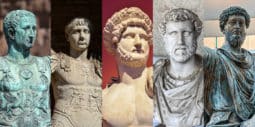
Roman monument associated with the Five Good Emperors

The Five Good Emperors of Rome

Portrait of Emperor Caracalla

Emperor Caracalla

Portrait of Marcus Aurelius

Emperor Marcus Aurelius

Show more

About us

About us ROME.US Authors Kate Zusmann and Artur Jakucewicz
We're Kate and Artur, a duo bound by our shared fascination with the Eternal City – Rome. Our paths, driven by a mutual passion for its timeless stories and architectural marvels, converged in a way we had never imagined.

Explore Rome

  • Beste Hotels in Rom mit Aussicht

    Best Hotels with Views in Rome

  • how to buy tickets to the colosseum

    How to Buy Tickets to the Colosseum

  • The Holy Stairs (Scala Santa) in Rome

    Holy Stairs (Scala Santa) in Rome

  • Santa Maria in Trastevere

    Santa Maria in Trastevere

  • Archaeological remains on Palatine Hill in Rome

    Palatine Hill

RomeItaly.guide

This website uses cookies. For more info read the cookies policy

RomeItaly.guide © 2026. Created with love by Roman experts and guides.
  • American English
  • Español
  • Deutsch
  • Polski
  • Русский
  • Français