Written by: Kate Zusmann
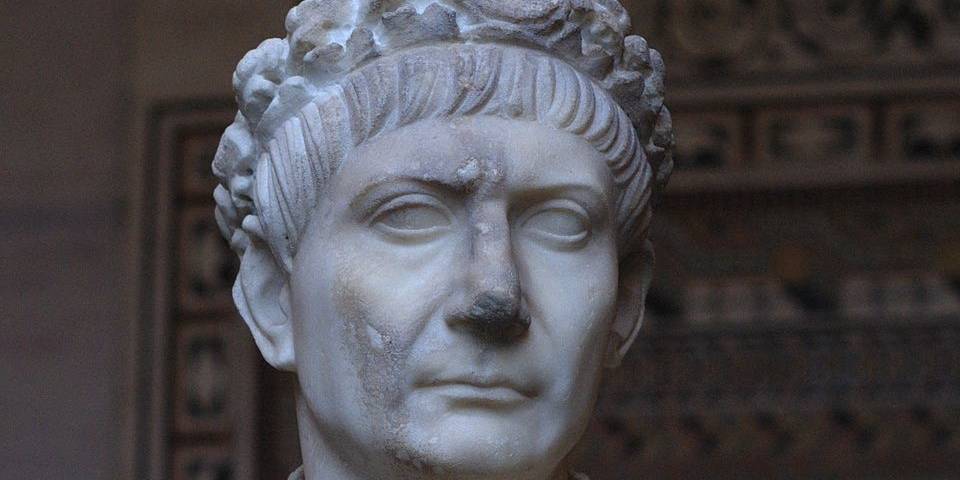
Trajan ruled Rome from AD 98 to 117. The Roman Empire reached its greatest territorial extent during his reign, and the forum and column he commissioned still mark the centre of Rome. His successor Hadrian withdrew from some of his eastern conquests.
Marcus Ulpius Traianus was born at Italica, near present-day Seville, in AD 53. His father held commands and provincial governorships, and Trajan rose through the army and the Senate. Trajan was consul in AD 91. In AD 97, Nerva adopted him while he held a command on the Rhine. He succeeded Nerva the following year.
Trajan campaigned against Decebalus in AD 101–102 and again in AD 105–106. After the second war, Rome annexed part of Dacia, in territory now largely within Romania. The reliefs on Trajan’s Column depict the campaigns from an imperial Roman perspective. They are a record of how the emperor presented the wars, and historians read the details with that purpose in mind.
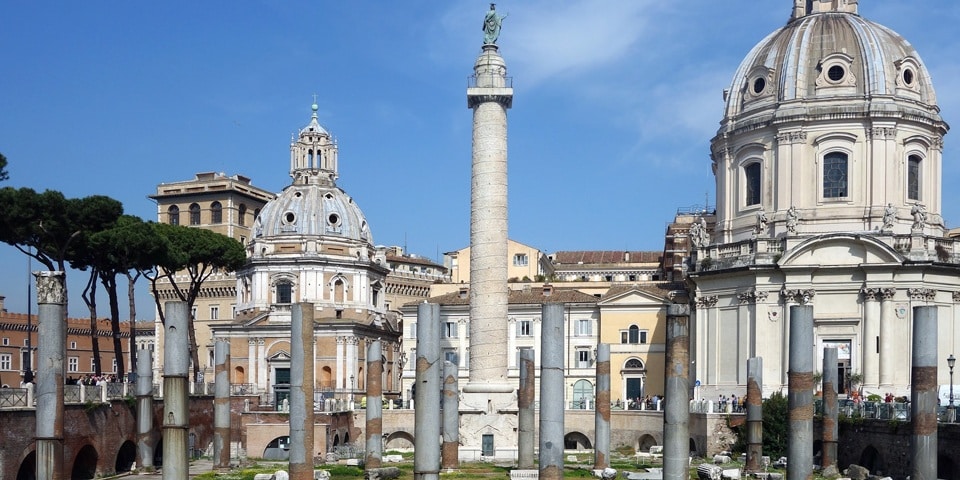
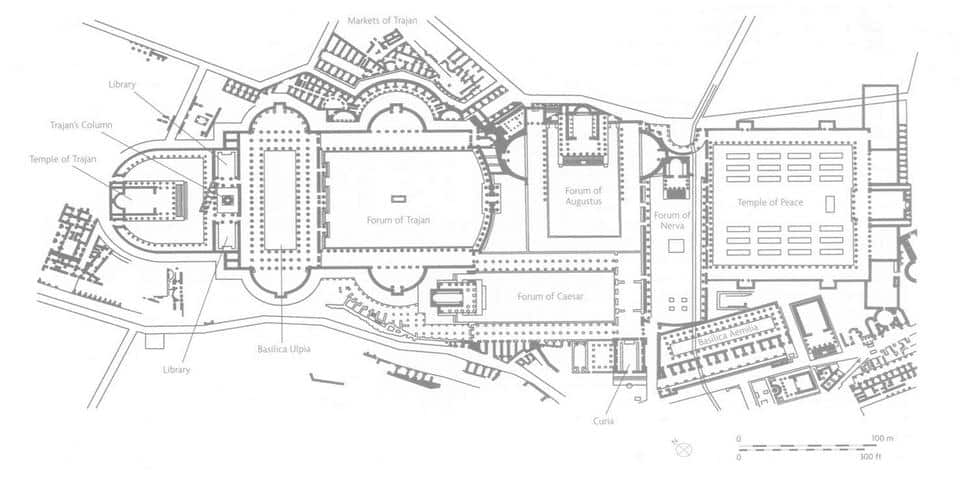
In Rome, Trajan built the forum that bears his name, including the Basilica Ulpia. His column was dedicated in AD 113. The nearby Trajan’s Market now houses the Museum of the Imperial Fora.
Apollodorus of Damascus is traditionally associated with major projects of the reign, including Trajan’s bridge across the Danube. Cassius Dio also tells a story about Hadrian exiling and executing the architect. It is an ancient account, and the details cannot be confirmed independently.
Rome annexed the Nabataean kingdom in AD 106 and created the province of Arabia. Trajan later led a campaign against Parthia and captured Ctesiphon. He died at Selinus in Cilicia in AD 117 on the journey back west. Hadrian succeeded him. The circumstances of Trajan’s adoption of Hadrian were already disputed in antiquity.
See the Metropolitan Museum of Art’s Roman chronology or read about the wider period of the Five Good Emperors.
From AD 98 to 117. He succeeded Nerva and was followed by Hadrian.
It commemorated victories in Dacia and stood in Trajan’s Forum. Its reliefs depict the two campaigns.
He died in AD 117 at Selinus in Cilicia, in what is now Türkiye.
RomeItaly.guide © 2026. Created with love by Roman experts and guides.