Written by: Kate Zusmann
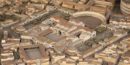
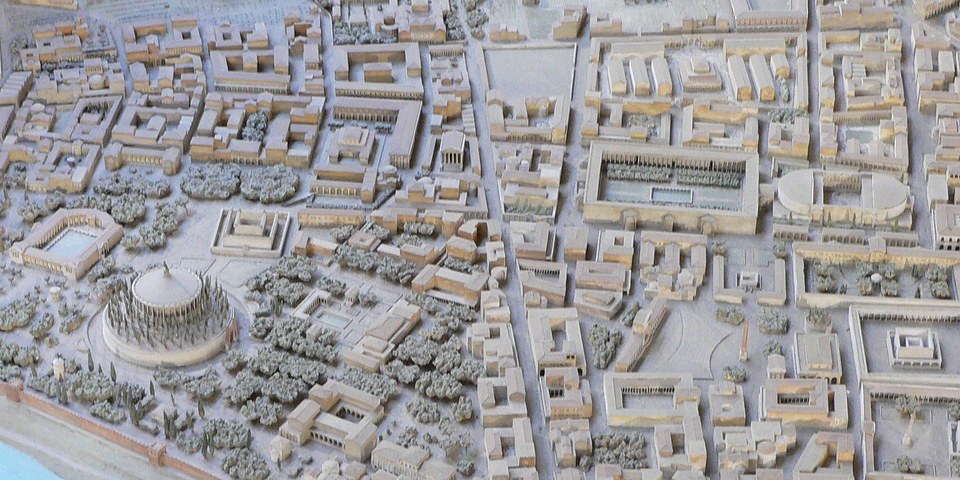
The Campus Martius, or Field of Mars, was an area of ancient Rome on the east bank of the Tiber. It occupied much of the river bend below the surrounding hills. The modern district of Campo Marzio preserves the name, although its boundaries do not match the ancient area.
In the Republic, parts of the Campus Martius were used for military exercises and public assemblies. The field took its name from Mars. Over time, temples, theaters, baths and porticoes filled much of it. Augustus and his family built some of the best-known monuments in the area.
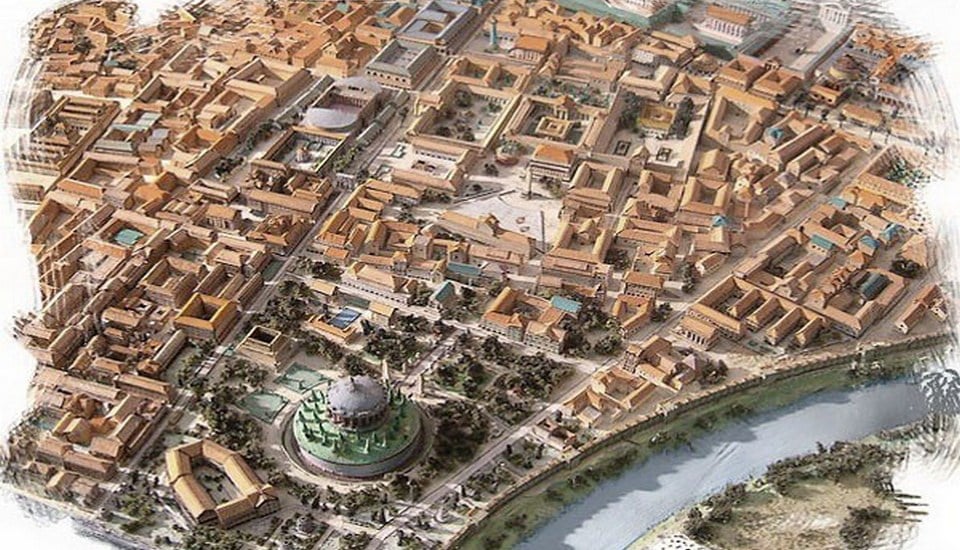
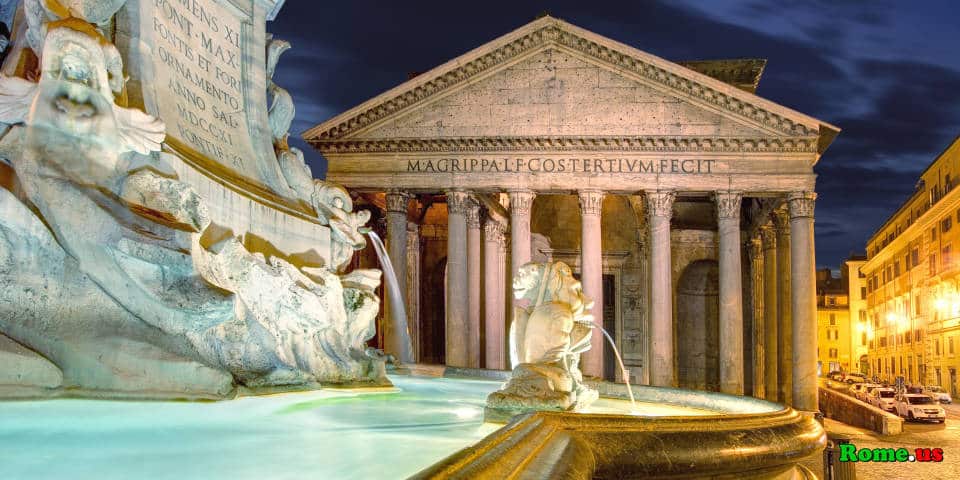
Piazza Navona follows the outline of Domitian’s stadium, built for athletic contests. The Pantheon stands to the east. The surviving building dates mainly to Hadrian’s reign, and the inscription preserves the name of Marcus Agrippa, who commissioned the earlier temple.
The sunken archaeological area at Largo di Torre Argentina contains the remains of four Republican temples. Archaeologists refer to them as Temples A, B, C and D, and the identifications of some are uncertain. The meeting hall associated with Julius Caesar’s assassination belonged to the adjoining complex of Pompey’s Theatre.
You can see the ruins from street level or use the ticketed walkway at the archaeological site. The city heritage authority lists entry arrangements and accessibility information.

For the southern part, start at Largo di Torre Argentina, continue to the Pantheon and finish at Piazza Navona. A detour south takes you towards the Theatre of Marcellus and the portico of Octavia. Street-level views help connect the sites even when interiors are closed.

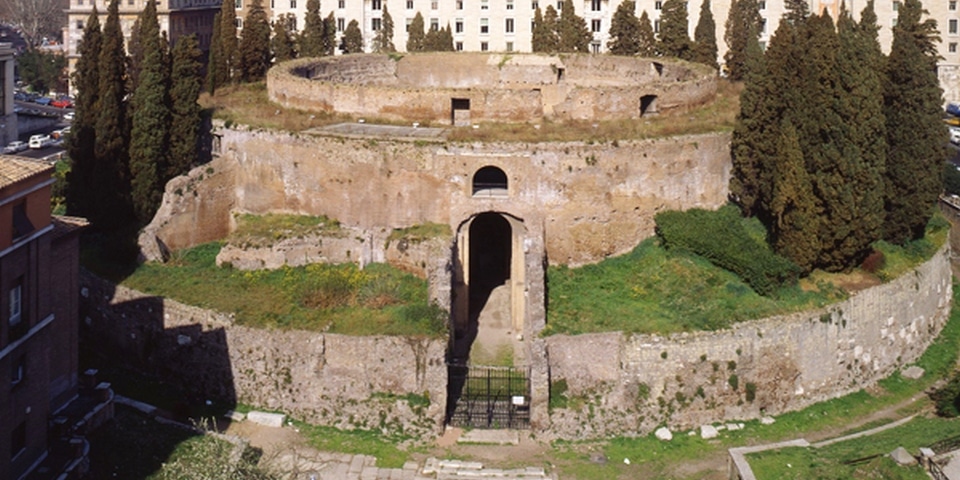
For the northern part, walk towards the Mausoleum of Augustus and the Ara Pacis. The mausoleum was the imperial family tomb. The Ara Pacis was originally erected elsewhere in the Campus Martius and is now displayed beside the river in its own museum. Check access to the two sites separately.
It occupied much of the Tiber’s east-bank bend in ancient Rome. The modern Campo Marzio district covers a smaller area.
You can see the temples from the street or buy a ticket for the archaeological walkway. Check the city’s opening information.
RomeItaly.guide © 2026. Created with love by Roman experts and guides.