

992122 travellers read
The Esquiline is one of Rome’s seven hills. In antiquity the name covered high ground that included the Cispius, Fagutal and Oppian. Today, the historic hill and the modern Esquilino district overlap. Start at Santa Maria Maggiore for an easy introduction to both.
On part of the ancient Esquiline, Maecenas laid out gardens called the Horti Maecenatis. Later building campaigns changed the hill again. After the fire of AD 64, Nero’s Domus Aurea extended into the area of today’s Oppian Hill.
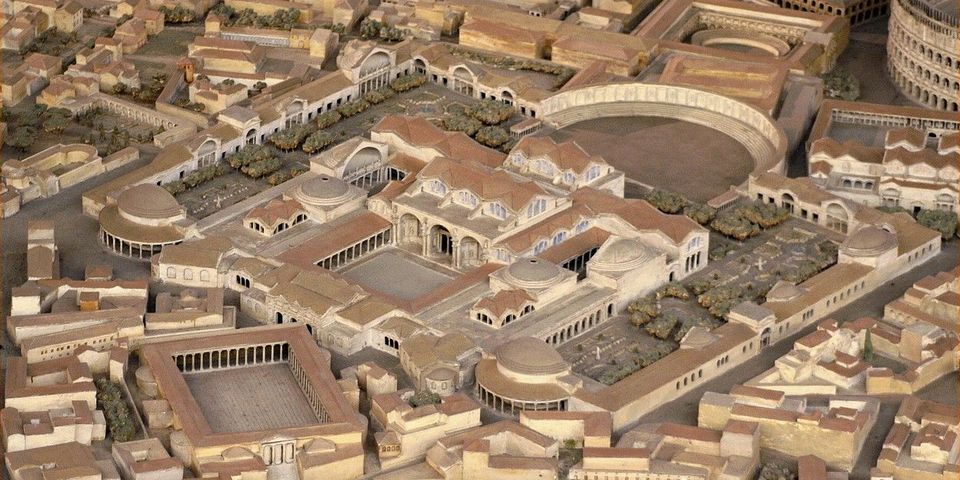
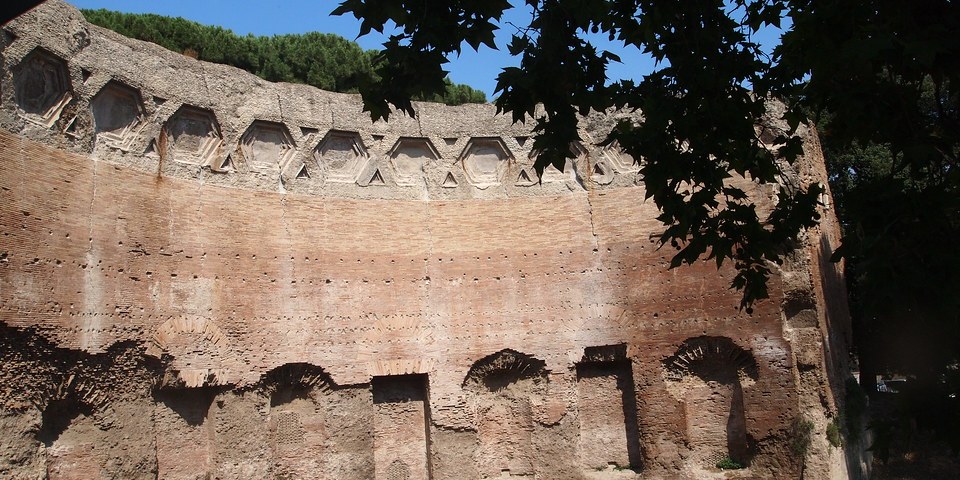
The Baths of Trajan used the site above parts of Nero’s palace and were inaugurated in AD 109. Look for the surviving walls in Parco del Colle Oppio. Access to the underground gallery and other enclosed remains depends on the city’s visiting arrangements.
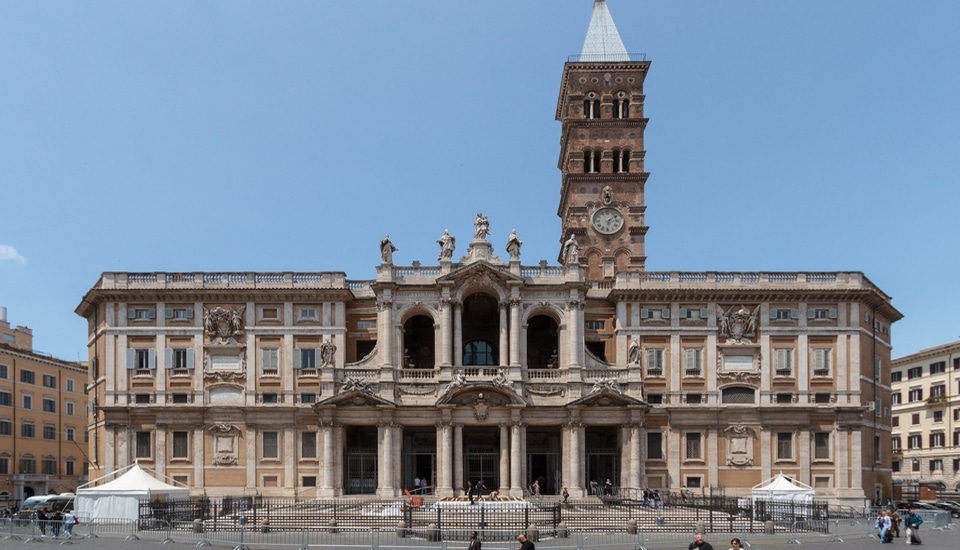
The Basilica of Santa Maria Maggiore preserves 5th-century mosaics. The story of snow falling in August belongs to the basilica’s foundation tradition. It is remembered separately from what can be dated in the building.
Walk from the basilica to Piazza Vittorio Emanuele II. The arcades and large garden show another period in the neighbourhood’s history. The square took shape after Rome became the capital of Italy, when the city expanded around Termini. See the Turismo Roma district guide for nearby sites.
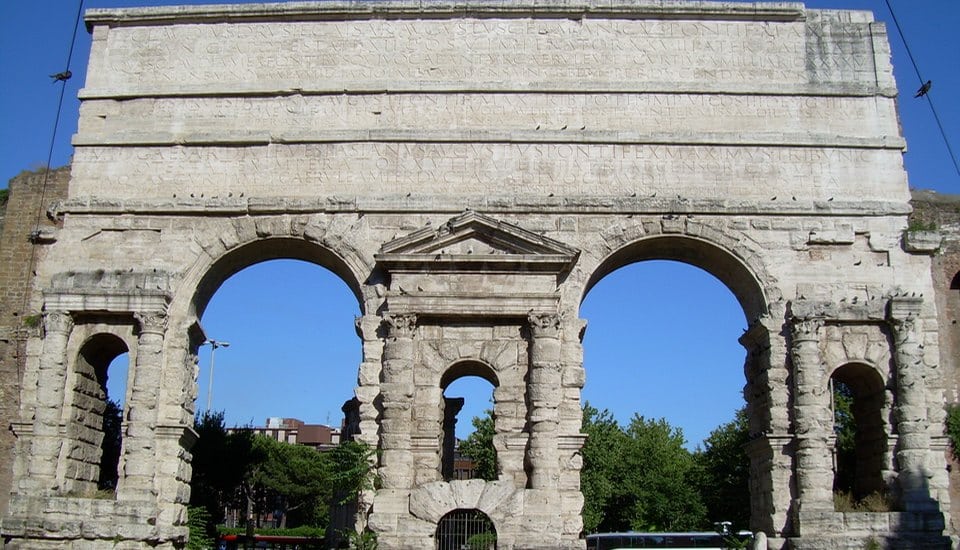
From Piazza Vittorio, continue towards Porta Maggiore if you want to see Roman water engineering. The structure was built under Claudius and carried the Aqua Claudia and Anio Novus. It was later incorporated into the Aurelian Walls. The two channels ran one above the other.
For the ancient remains, start at Santa Maria Maggiore and head downhill towards Colle Oppio, then continue towards the Colosseum. For the modern district and Porta Maggiore, walk east through Piazza Vittorio instead. If you plan to take a tram back, check current stops and diversions in the ATAC journey planner.
RomeItaly.guide © 2026. Created with love by Roman experts and guides.