
992122 travellers read
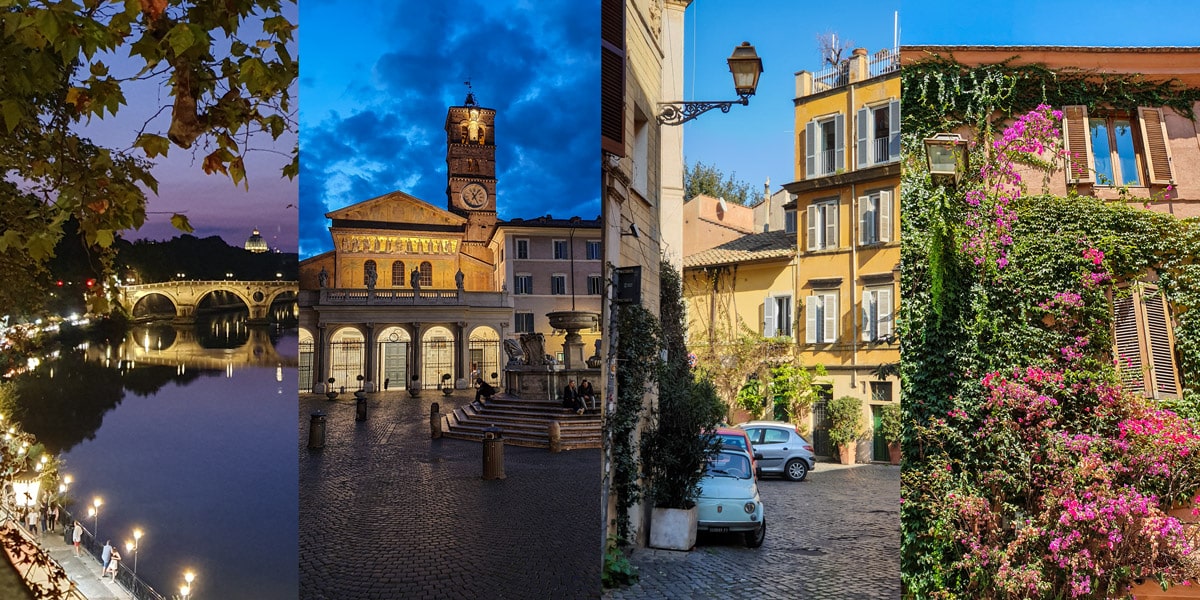
Cross Ponte Sisto from the historic centre and you arrive at Piazza Trilussa, at the north end of Trastevere’s busiest lanes. Spend the afternoon on its churches and galleries, then decide whether to stay for dinner or climb the Janiculum for the view.
Trastevere is on the west bank of the Tiber. The name comes from the Latin trans Tiberim, meaning “across the Tiber.” In Italian the stress falls on the second syllable, tras-TE-ve-re. The Janiculum rises above the neighbourhood, and the railway station is farther south near Piazza Flavio Biondo.
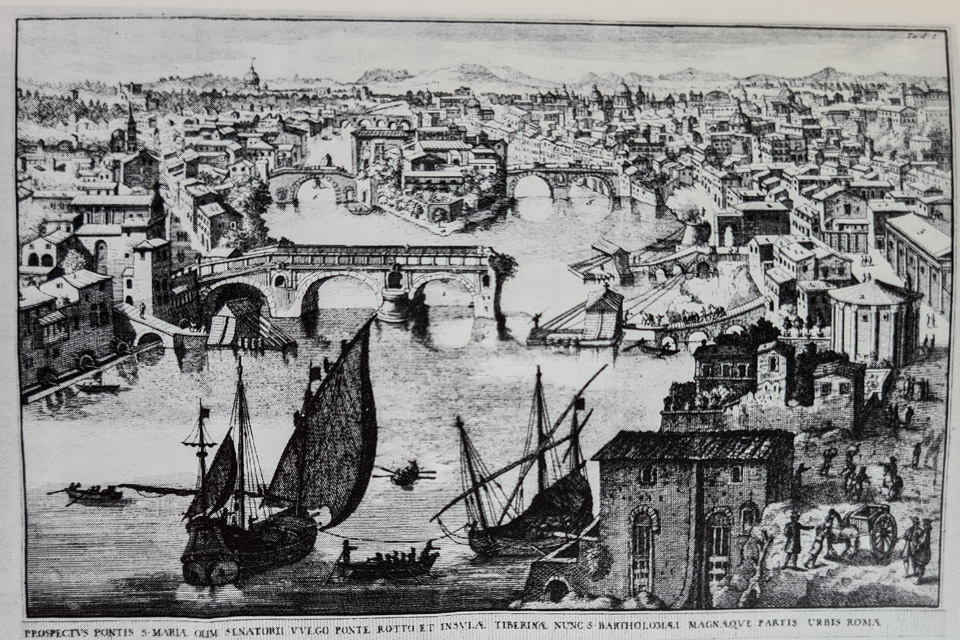
The west bank was home to river workers and communities from across the Mediterranean in antiquity. Augustus included the area in his administrative division of Rome as Regio XIV, Transtiberim. The Aurelian Walls later enclosed part of this side of the river. The medieval street pattern still shows in the lanes between Porta Settimiana and Santa Maria in Trastevere.
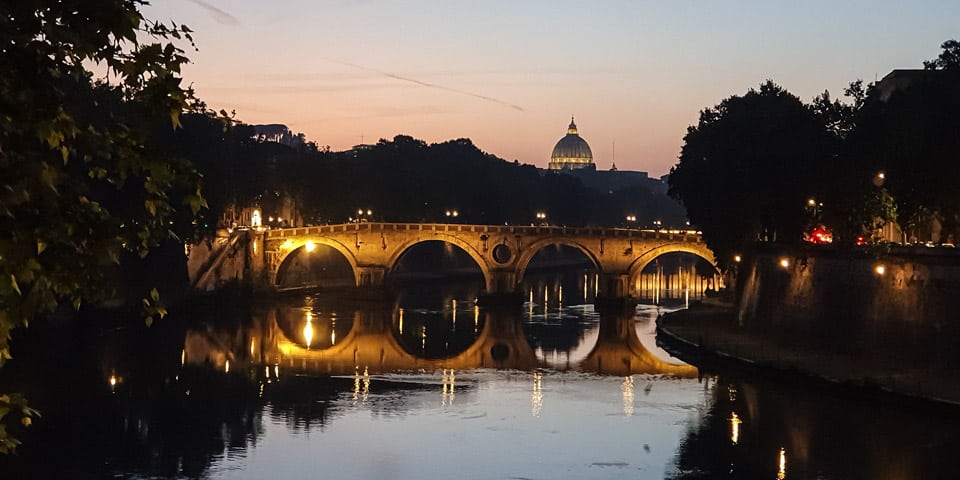
Ponte Sisto is a pedestrian bridge across the Tiber. It connects Via dei Pettinari on the east bank to Piazza Trilussa in Trastevere. Pope Sixtus IV commissioned the Renaissance bridge ahead of the Jubilee of 1475.
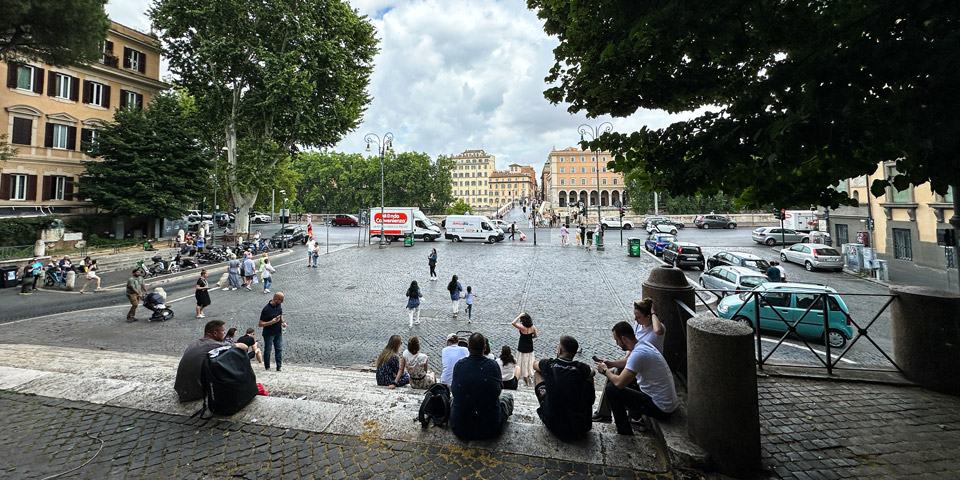
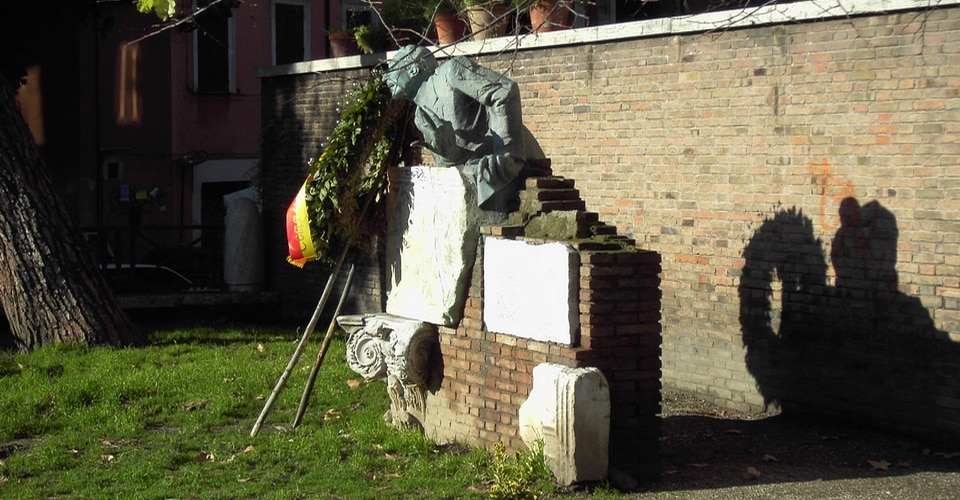
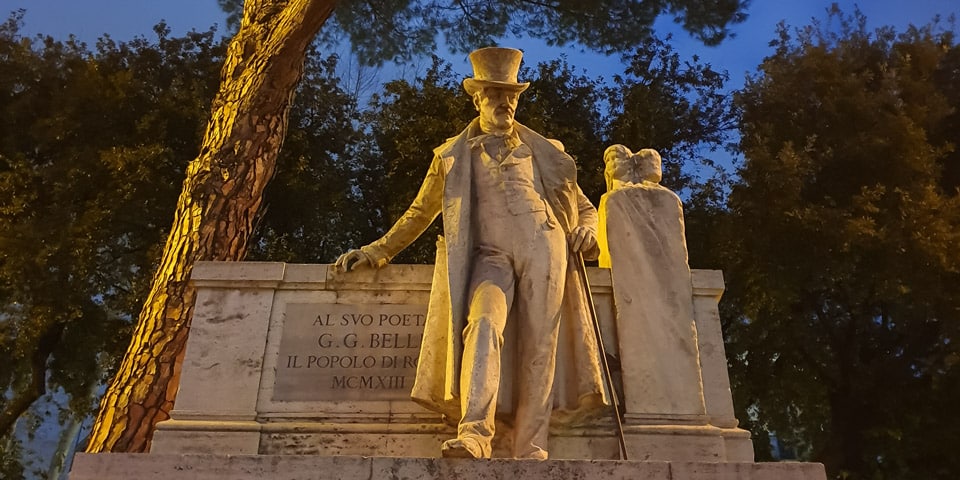
At Piazza Trilussa, look for the bronze monument to the Roman dialect poet also known as Trilussa. The sculpture is by Lorenzo Ferri. Farther south, near Ponte Garibaldi, a monument by Michele Tripisciano commemorates another Romanesco poet, Giuseppe Gioachino Belli. See Turismo Roma’s square guide.
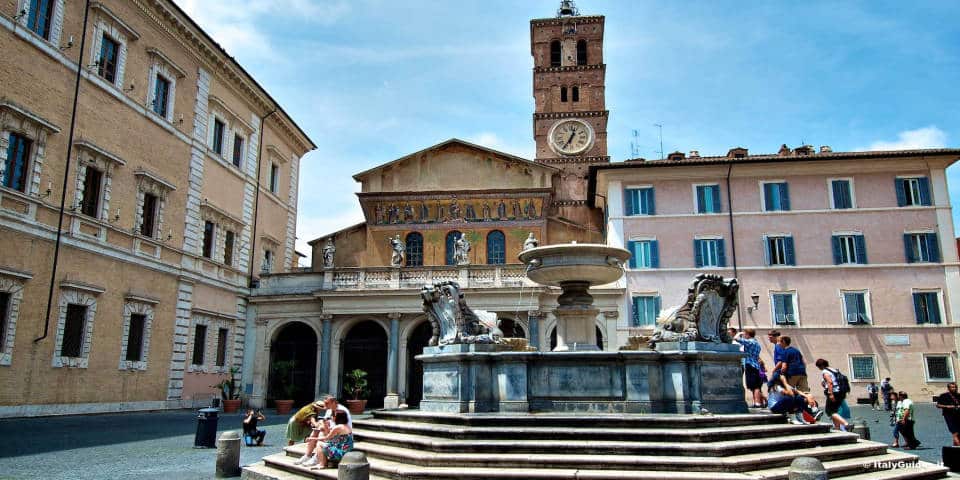
Start at the Basilica of Santa Maria in Trastevere for the mosaics in the apse. The church has early Christian origins. Much of the building you see today dates from its medieval rebuilding. Check the linked guide before visiting during services.

From the square, head south to Santa Cecilia in Trastevere. The church is dedicated to the Christian martyr and patron saint of musicians. Look for Stefano Maderno’s sculpture of St Cecilia beneath the high altar. Ask staff about separate access to the excavations and Pietro Cavallini’s fresco.
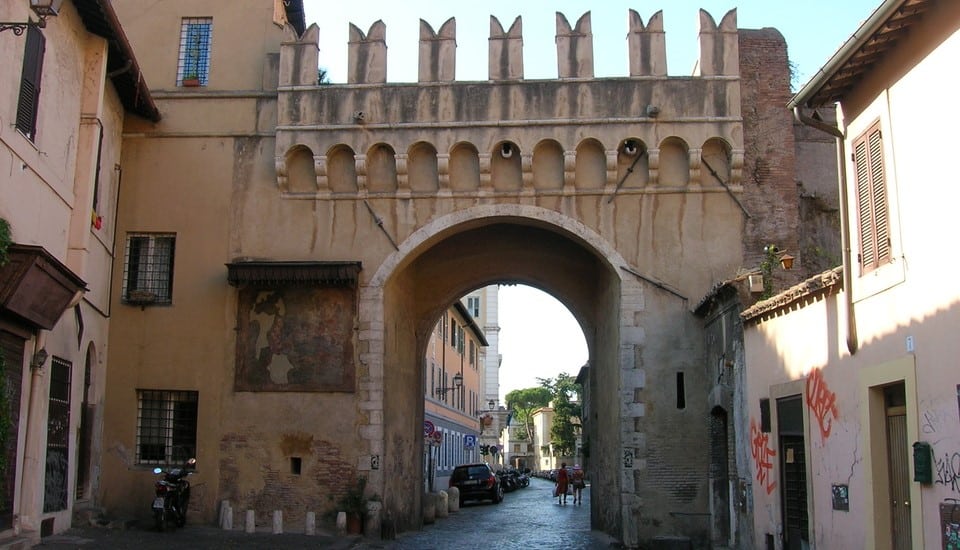
Porta Settimiana marks the entrance to Via della Lungara from the neighbourhood’s lanes. Head along that street for two collections near one another.
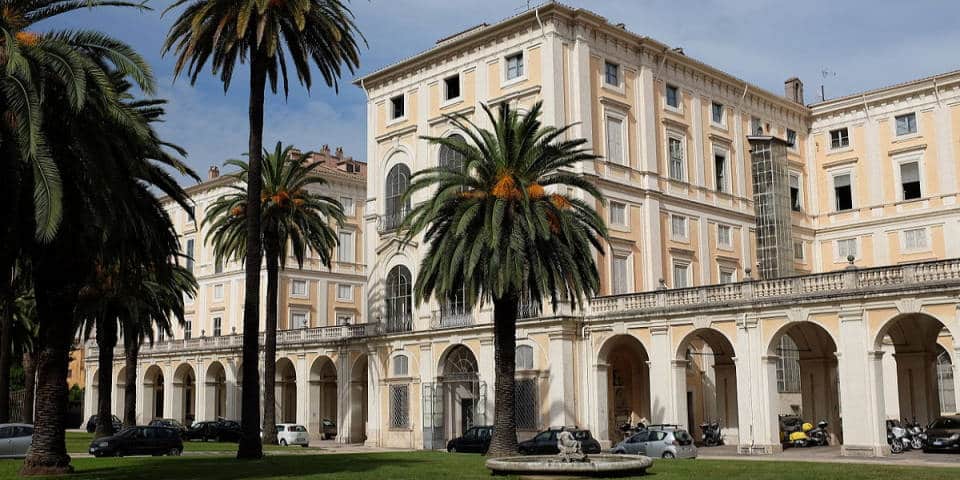
The Galleria Corsini is housed in Palazzo Corsini, where Queen Christina of Sweden lived when it was Palazzo Riario. Check the gallery’s current exhibitions and entry arrangements.
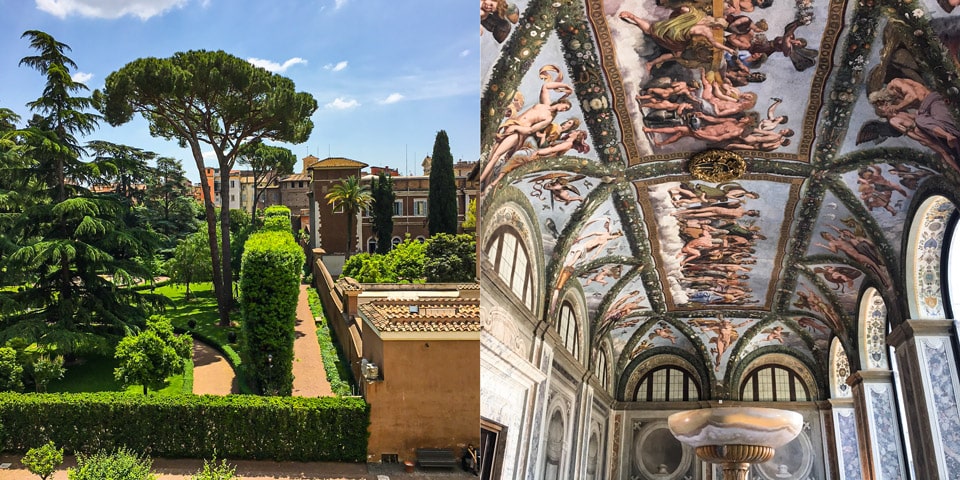
Across Via della Lungara, the Villa Farnesina was built for banker Agostino Chigi. Raphael and his workshop decorated parts of the villa. Check Villa Farnesina’s opening information before planning both visits on the same day. The Botanical Garden is a separate visit.
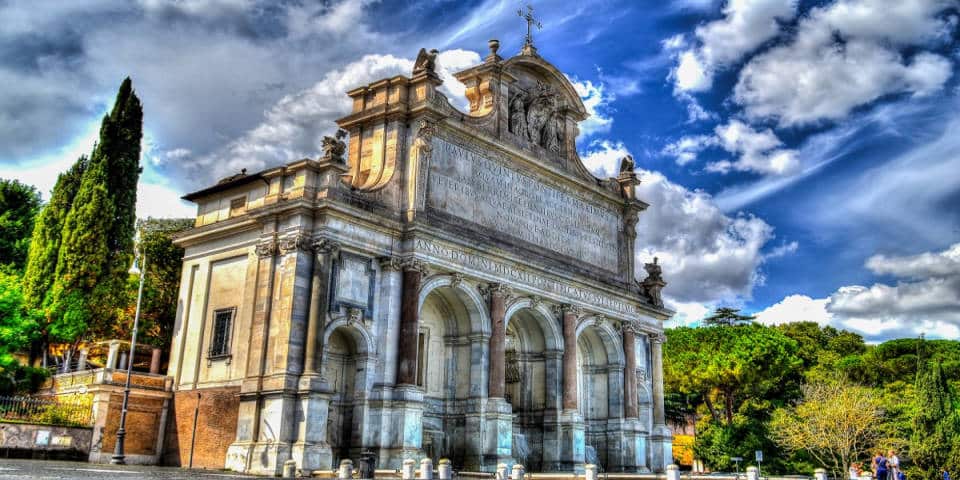
Walk uphill for the Fontana dell’Acqua Paola, known locally as the Fontanone. The fountain marks the end of the Acqua Paola aqueduct. The terrace across the road looks out over Rome’s rooftops.
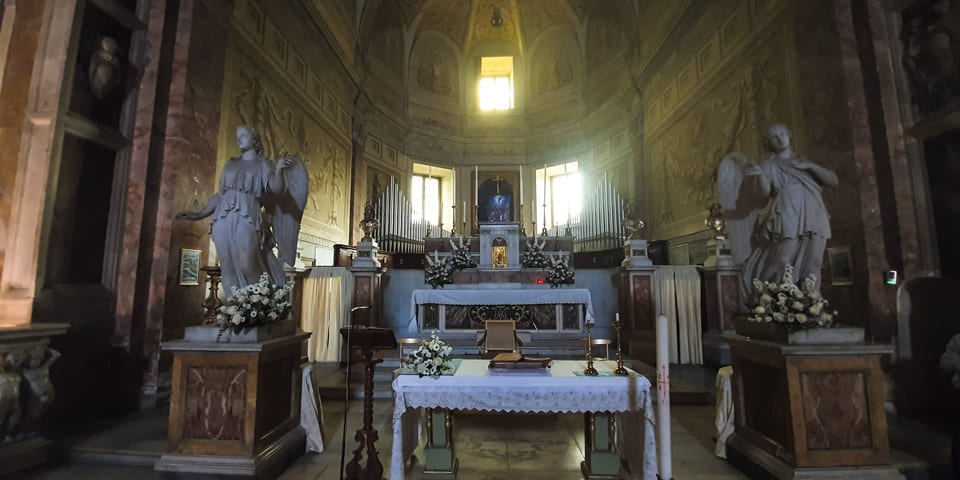
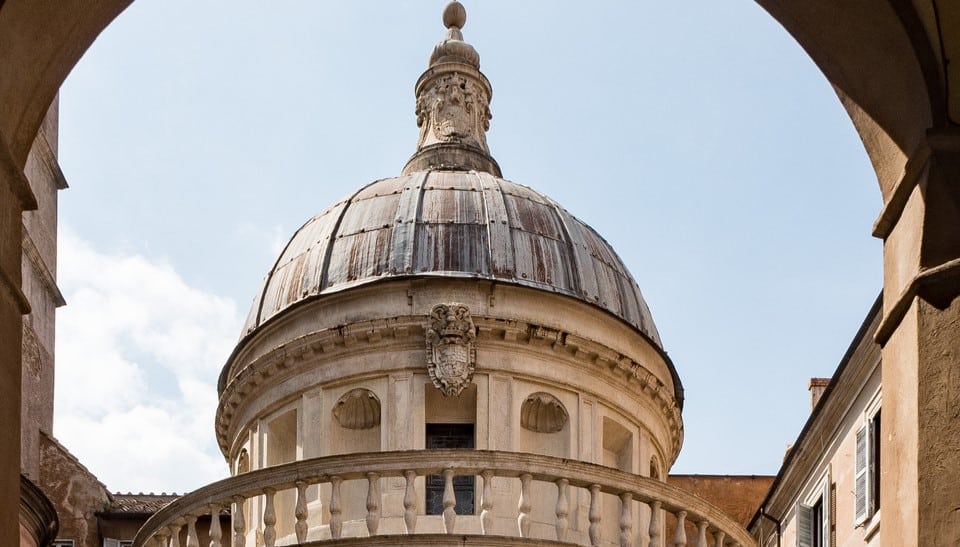
San Pietro in Montorio is nearby. An old tradition places St Peter’s crucifixion here. In the courtyard, Bramante’s circular Tempietto marks the spot associated with that tradition. Check access to the courtyard separately from the church.
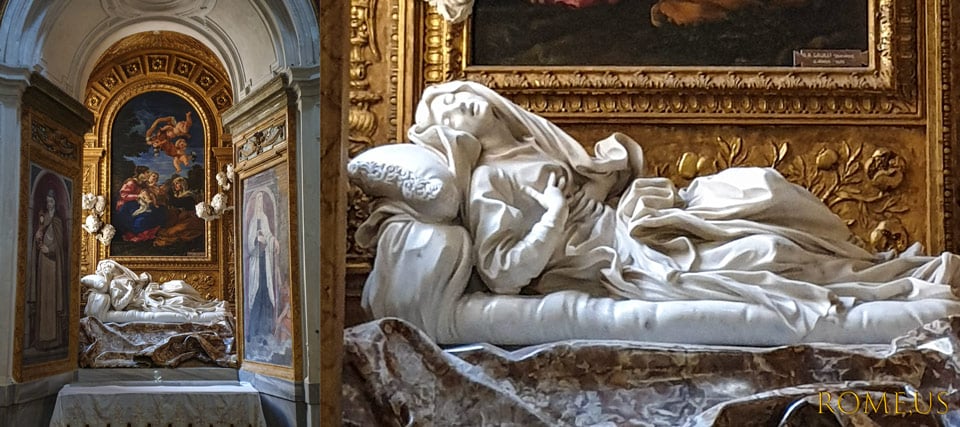
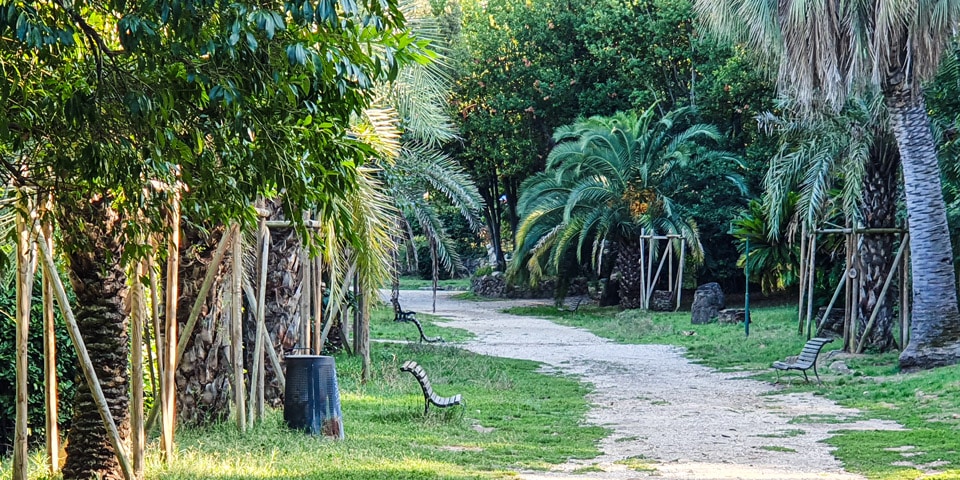
At San Francesco a Ripa, look in the Altieri chapel for Bernini’s Blessed Ludovica Albertoni. Villa Sciarra, farther uphill, is a public park with fountain sculptures and shaded paths.

For pizza and trattorias, start with the Trastevere restaurant guide. The lanes around Piazza Trilussa get busy in the evening. If you want a quieter room, ask the property where it faces and whether there are stairs from the street.
For a stay near the Botanical Garden, look at Donna Camilla Savelli. For a base near the basilica and the restaurant lanes, see Hotel Santa Maria. Check rates and facilities with the property.
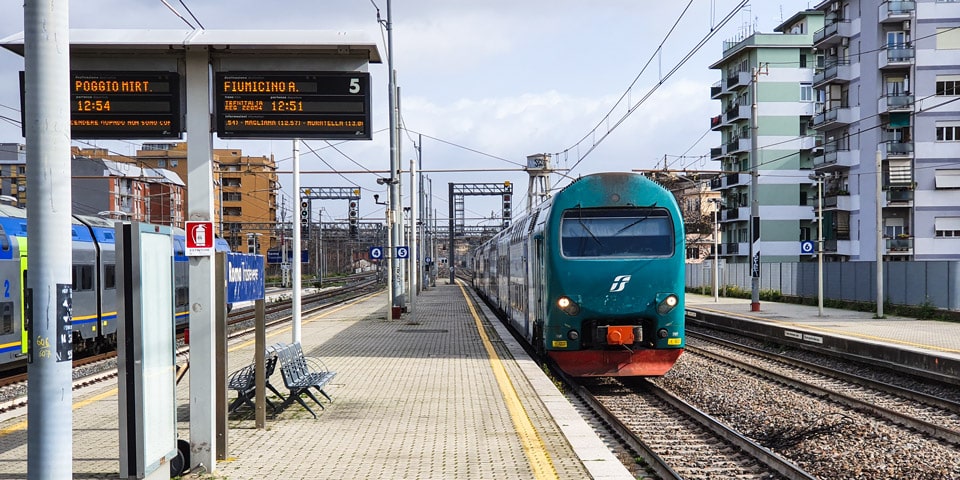
Roma Trastevere station is at Piazza Flavio Biondo, south of the main sights. Regional trains connect it with Fiumicino Airport. For the central lanes, consider walking across Ponte Sisto or check the current bus and tram options in the Rome bus guide. Turismo Roma’s district guide covers Trastevere and nearby Testaccio.
From Ponte Sisto, cross Piazza Trilussa and head to Santa Maria in Trastevere. Allow time for the mosaics, then take Via della Lungara towards Villa Farnesina or walk uphill to the Acqua Paola fountain.
Look beyond the lanes immediately around Piazza Trilussa and ask whether your room faces a courtyard. The area near the Botanical Garden is another starting point.
The railway station is at the southern end of the district. Allow a separate walk or check a bus or tram if you’re heading for the square.
RomeItaly.guide © 2026. Created with love by Roman experts and guides.