Written by: Kate Zusmann
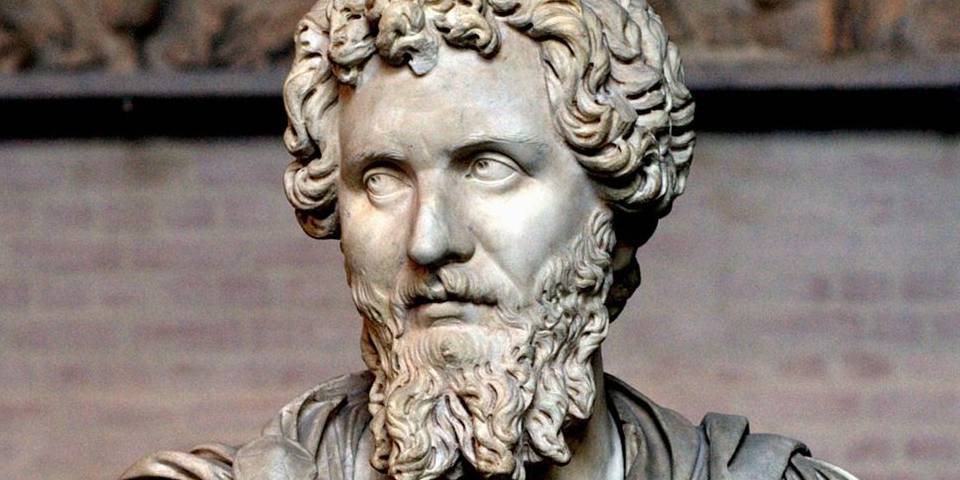
Lucius Septimius Severus ruled Rome from AD 193 to 211. He was born in AD 145 at Leptis Magna, a Roman city in what is now Libya. In AD 193 his troops proclaimed him emperor, and he went on to defeat two rival commanders. The dynasty he founded took its name from him.
Severus began his senatorial career under Marcus Aurelius. After Commodus was killed at the end of AD 192, his successor Pertinax lasted only a few months. In AD 193 the Praetorian Guard killed Pertinax and backed Didius Julianus, who had promised them a large payment. Severus marched towards Rome with the backing of his Danubian legions. With Julianus out of power, Severus disbanded the incumbent guard and recruited replacements from his own troops.
Two other commanders had troops of their own: Pescennius Niger in Syria and Clodius Albinus in Britain. Severus offered Albinus the title of Caesar while he fought Niger. He defeated Niger at Issus in AD 194. The arrangement with Albinus later broke down, and Severus defeated him near Lugdunum, modern Lyon, in AD 197.
After defeating Niger, Severus campaigned beyond the Euphrates. In a later offensive he took the Parthian capital of Ctesiphon, although the fortress city of Hatra resisted his forces. The victories in the East are commemorated by the arch at the western end of the Roman Forum.
His reign also left its mark on Leptis Magna. Monumental building there included a forum and basilica, while military posts in the region strengthened Rome’s southern frontier.
Severus formed new legions, increased soldiers’ pay and relaxed restrictions on marriage for serving soldiers. These measures strengthened his ties with the army and increased the expense of maintaining it.
In AD 208 he travelled to Britain with his sons Caracalla and Geta. His forces used the frontier around Hadrian’s Wall as a base for operations further north. The campaigns brought the Romans into what is now Scotland, where they established a base at Carpow on the Tay. The territory did not become a permanent Roman possession.
Severus fell ill during the British campaigns and died at York in AD 211. His sons succeeded him jointly and reached terms with the northern peoples. The partnership ended within the year when Caracalla had his brother Geta killed.
RomeItaly.guide © 2026. Created with love by Roman experts and guides.