Written by: Kate Zusmann
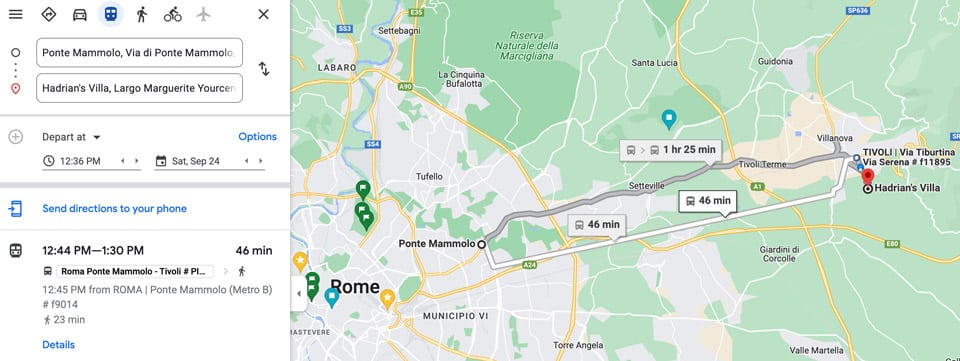
Start with Villa d’Este if you have only half a day. It is in the centre of Tivoli, and you can pair it with Villa Gregoriana if it is open. Hadrian’s Villa is below the town, so allow extra time to reach it. Check Villae’s hours and tickets for each state site and the FAI listing for Villa Gregoriana separately. The lower paths there include steps and steep sections. For public transport, compare Trenitalia trains to Tivoli with Cotral buses on your date, and plan the transfer to Hadrian’s Villa separately.
Tivoli is a town with a long history, including the famous Hadrian’s Villa (Villa Adriana), Villa d’Este, Villa Gregoriana, remains of Roman aqueducts, a medieval castle, and several beautiful churches. It is one of the best options for a day trip from Rome that will not leave anyone indifferent.
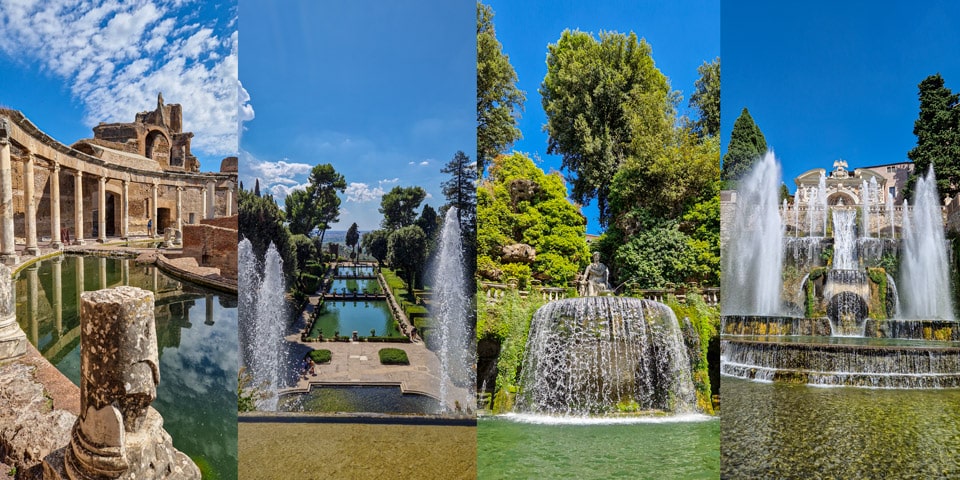
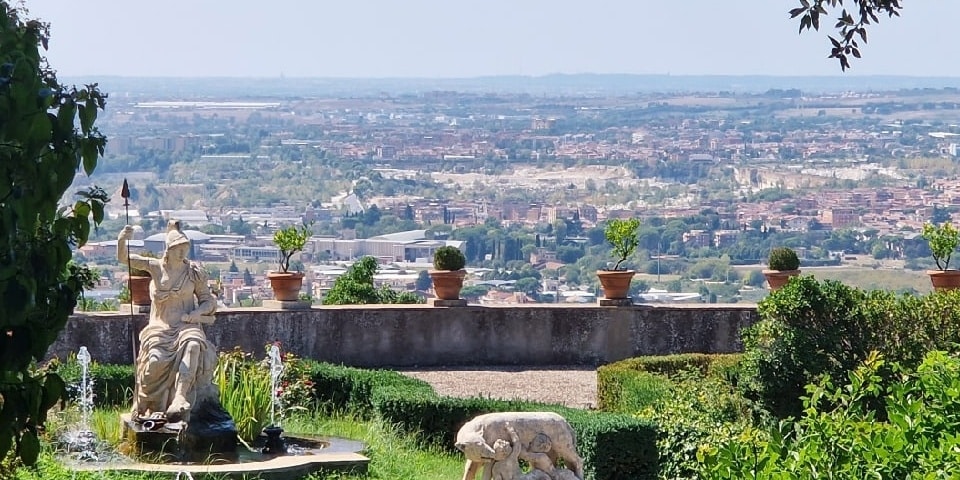
Both Villa d’Este and Villa Adriana are full of beautiful places. One surprises with its charming fountains, impressive arts, and views of Rome, while another is the historical gem that initially consisted of 35 marble buildings on more than 200 hectares.
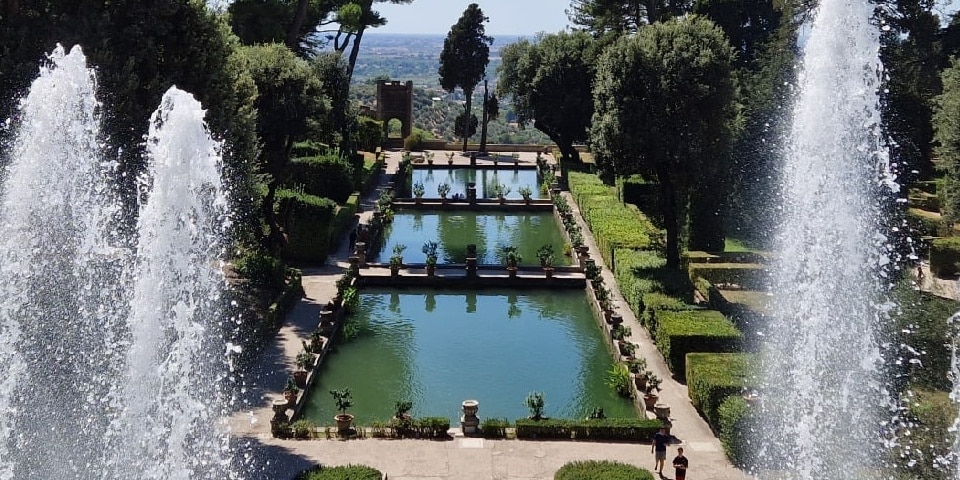
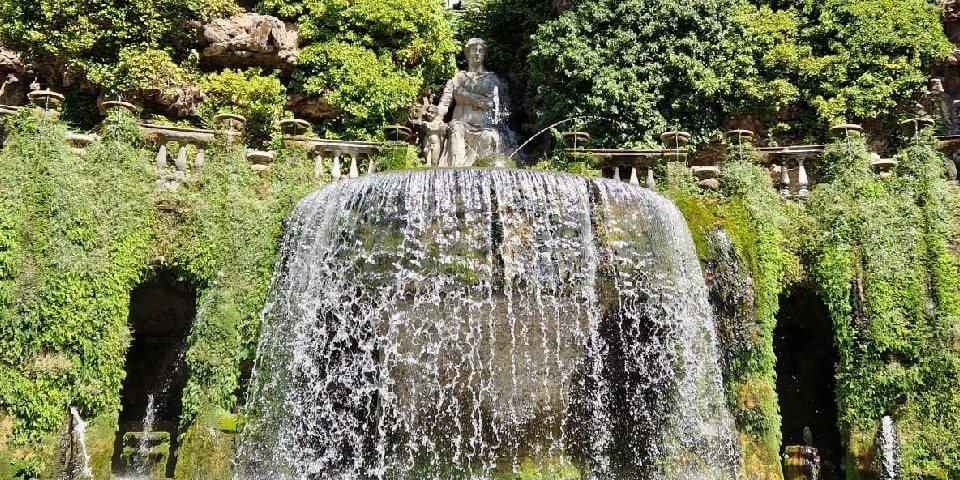
The Villa d’Este in Tivoli, with its palace and garden, is one of the most remarkable and comprehensive illustrations of Renaissance culture at its most refined. Its innovative design and architectural components (fountains, ornamental basins, etc.) make this a unique example of an Italian 16th-century garden. The Villa d’Este, one of the first “Giardini delle meraviglie,” was an early model for European gardens.
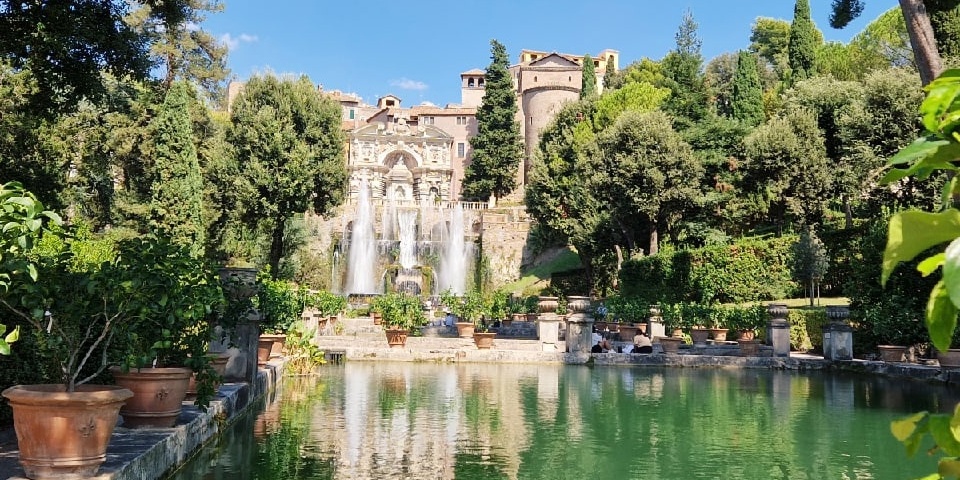
Villa d’Este belonged to Cardinal Ippolito II d’Este, who was a great connoisseur of art. The project’s development to reconstruct the Villa began in 1550; however, the cardinal approved the final version only 10 years later. The author of the project was Pirro Ligorio, an architect and expert in his field who had previously been in the service of the papal court and had worked on such masterpieces as Bomarzo’s Monster Garden (Parco dei Mostri) and the papal palace in the Vatican (Casino di Pio IV in the Vatican). His greatest masterpiece, however, was the Villa d’Este.
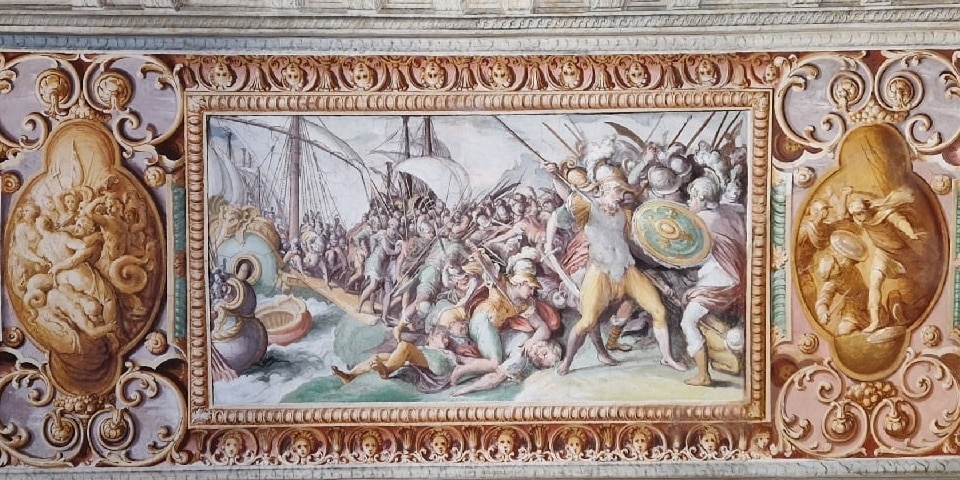
The villa’s luxurious design emphasized its status as a cultural centre. The interior decoration of the castle began in 1563, and by the time of the death of the cardinal (1572) was almost completed.
The renovation of the park began in 1605 by Ippolito’s successor, Alessandro d’Este, who hired the great architect Gian Lorenzo Bernini for this purpose. Unfortunately, in the 18th century, due to the lack of proper care, the Villa fell into a deplorable state: the water supply that fed the numerous fountains was outdated, and the statues and decorative buildings began to crumble.
The estate passed into the possession of Franz Habsburger. Later, right before the First World War, the new owner of the Villa became Archduke Franz Ferdinand. Finally, at the end of hostilities, the state nationalized the Villa. The last restoration was carried out after the end of World War II.
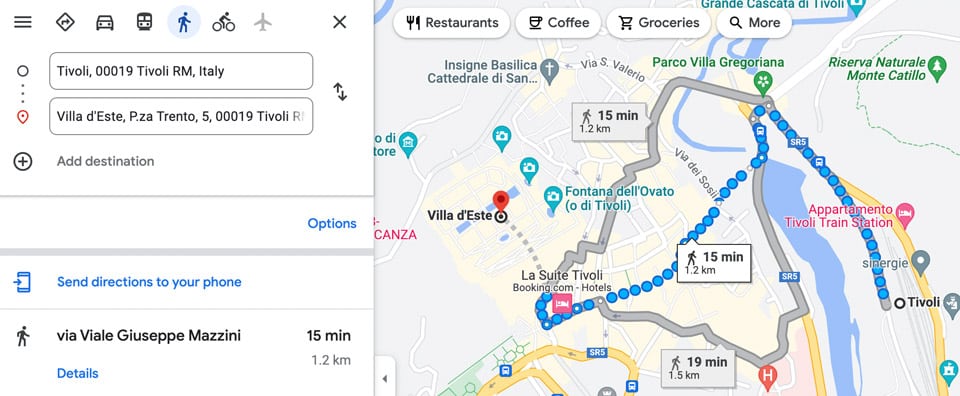
The distance from Tivoli train station to Villa d’Este is 1.2 km (0.8 miles), and it will take you about 15 minutes to walk.
See the Villae website for current ticket prices and concessions.
Check the same official schedule for your date, including last admission.
The Hadrian’s Villa (Villa Adriana) is a magnificent complex of ancient structures built in the second century AD in Tivoli by Hadrian, the Roman emperor. It unites the most acceptable characteristics of Egyptian, Greek, and classical Roman architecture.
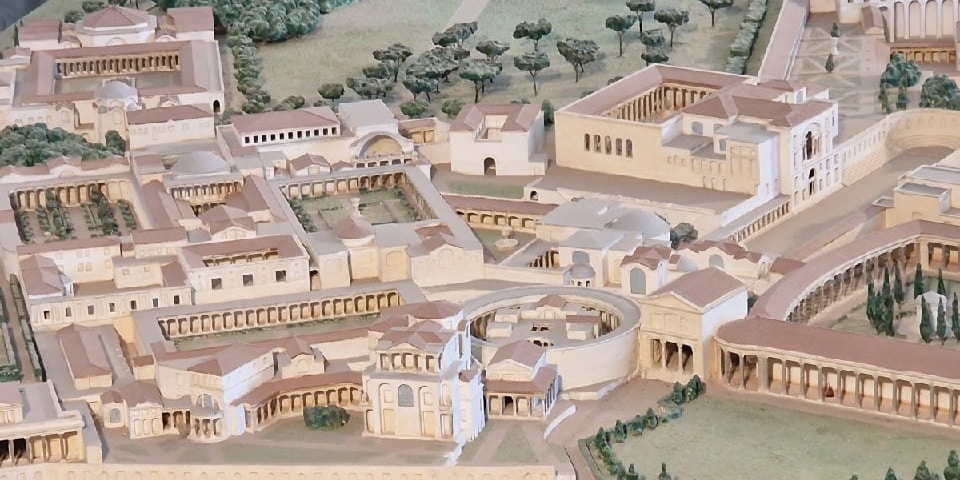
Villa Adriana was built because Hadrian, dissatisfied with the palace on Palatine Hill, wanted a place to escape. Several successors inhabited it after his death but finally fell out of use and were left in ruins, then stolen.
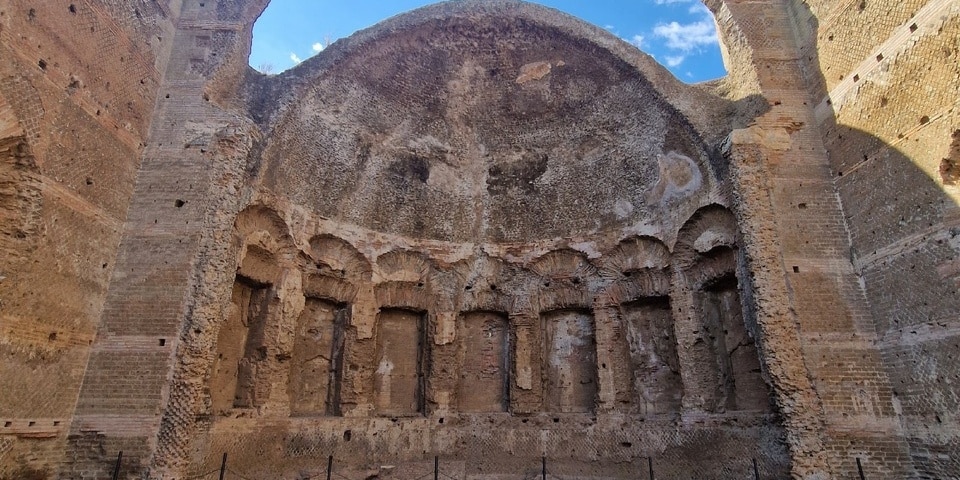
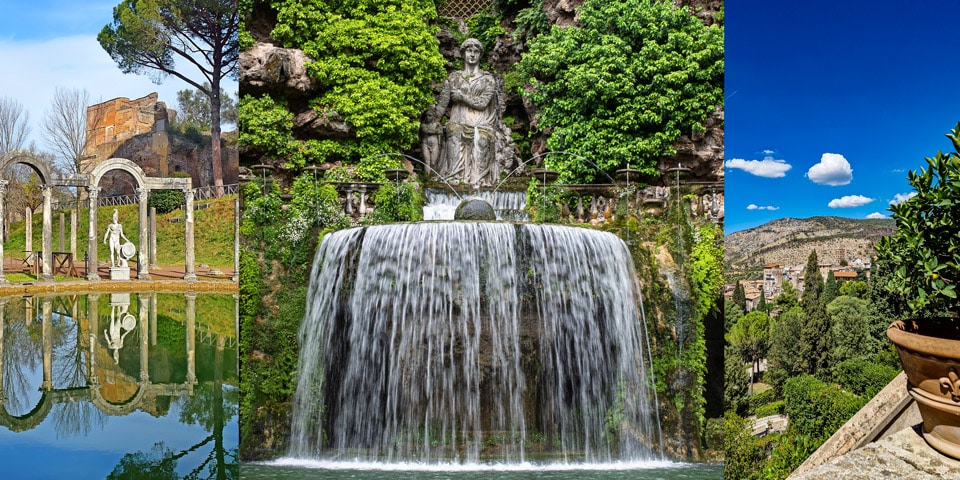
A copy of a sanctuary close to Alexandria is one of the Villa’s key highlights. It is a large pool surrounded by columns and adorned with caryatid statues.
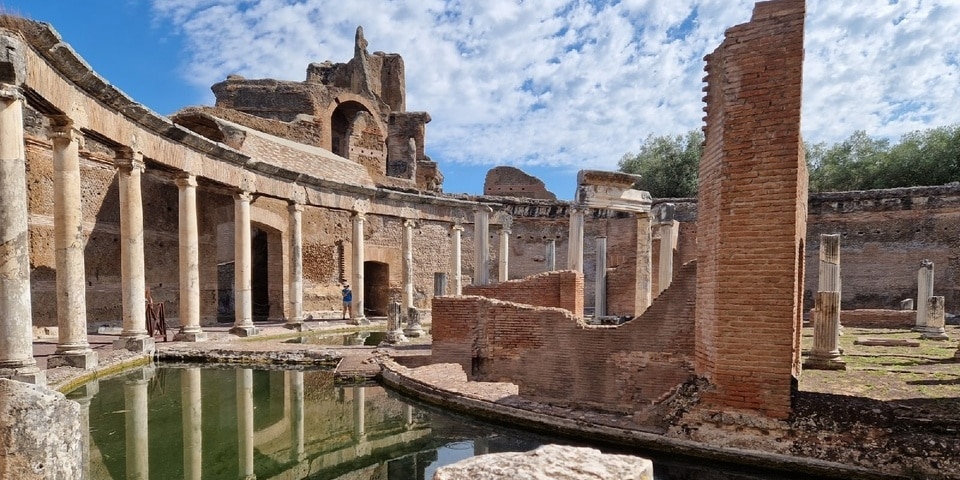
Also, a building known as the Maritime Theatre, a circular pool surrounded by columns with an island in the middle, is situated among the libraries, toilets, guest houses, gardens, fountains, and ponds. There is a small Roman villa on the island.
See the Villae website for current ticket prices and concessions.
Check the same official schedule for your date, including last admission.
One of the most significant buildings in the old acropolis of Tivoli is the Temple of Vesta. It is close to the Sibyl Temple. The Ponte Gregoriano provides access to the temple through a gate (bridge). The most well-known structure in ancient Tibur dates to the first century BC.
It was likely dedicated to Tiburon, the hero who gave the city its name, or perhaps to Vesta, the goddess of the hearth whose cult was conducted by the Vestals. The temple, with its beautiful round shape, looks out over spectacular views. Italian and international artists and wealthy aristocrats who used their wealth to commission paintings have made the Temple of Vesta their most popular subject over the years.
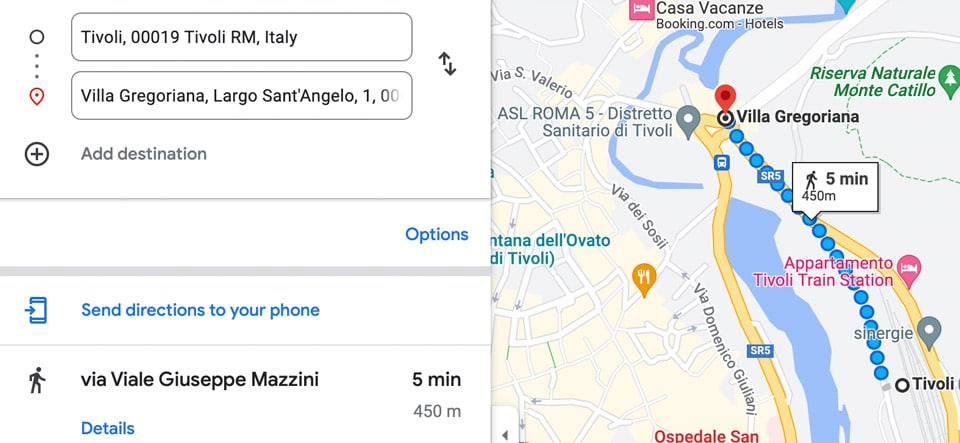
Villa Gregoriana, a gorgeous natural park close to Rome, is a complex of wooded gardens, pathways, waterfalls, and flora that stretches to the foot of the ancient acropolis. When 19th-century artists and aristocrats visited the old city of Tibur as part of their “grand tour,” they had to see this magnificent, untouched location, which Pope Gregory XVI had commissioned sometime around 1834.
The Fondo Ambiente Italiano, often known as FAI (the Italian Environmental Fund), is in charge of protecting and managing the entire area surrounding the Villa. It is regarded as one of a kind in the world since it is a location where the remarkable beauty of the surrounding landscape coexists with the priceless marble and old villa ruins of Publius Manlius Vopisco.
Both the Grottoes of Neptune or Grottoes of the Sirens, river-eroded caves, and the Great Waterfall are world-famous highlights of Villa Gregoriana. The Gregorian Bridge, an extraordinary building, commissioned by Pope Gregory XVI and connects the park to Tivoli’s old town centre, is located next to the remarkable Villa. The historic acropolis and the Aniene valley may be seen well from the bridge.
See the FAI website for current ticket prices and concessions.
Check the same official schedule for your date, including last admission.
Our partners organise one-day group tours to Villa Adriana and Villa d’Este from Rome. The duration is about 7 hours, and you explore both villas with a professional tour guide.
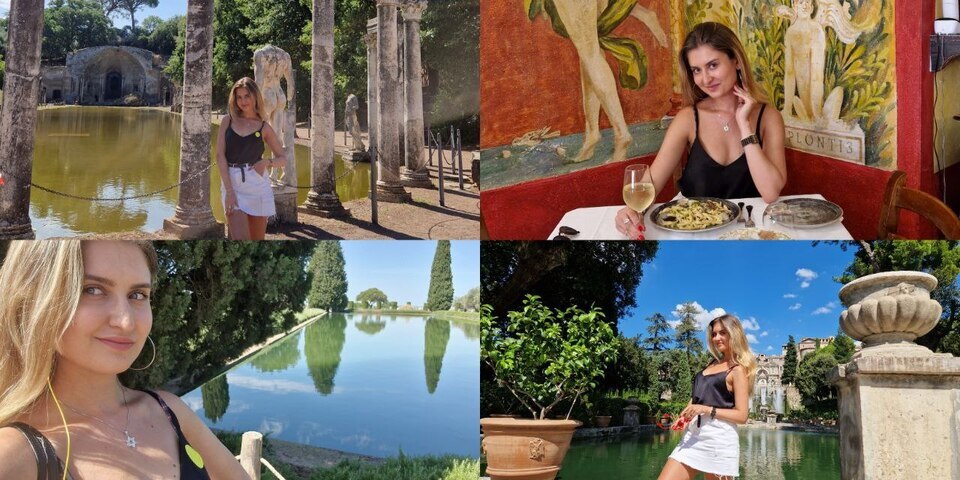
The tour starts from the area near the Colosseum, so it is very convenient to get there from any part of the city. First, you head to Villa Adriana from Rome, where you spend about 1.5-2 hours, and then, by lunchtime, you arrive at the historical centre of Tivoli.
The feature I liked is that you have free time to explore Tivoli and have lunch in one of the local restaurants without being in a hurry. After the lunch break, the group meets near the entrance to Villa d’Este to start an adventure to one of the most worldwide known villas. Do not worry; you will have enough time to take beautiful photos and buy souvenirs.
Here’s the link to the group tour I’ve visited
A private visit with a guide can cover the two villas in one day. Use the contact form below to ask about the itinerary and pick-up arrangements.
The price depends on the itinerary and group size. For details, please send an inquiry via this contact form.
There are several ways to get from Rome to Tivoli on your own. The fastest, cheapest, and easiest way to get to Tivoli is by train.
Check Trenitalia for regional trains to Tivoli. Compare departure stations and journey times, and allow for the walk from the station to the town centre.
Use Cotral to check routes, stops and timetables between Rome and Tivoli. Plan the transfer if you want to visit Hadrian’s Villa as well as the town centre.
A private transfer is the most comfortable and secure way to Tivoli. You can book a car on our website, rome4.us.
Tivoli has 3 of my favourite restaurants where you can find both traditional Italian dishes and typical dishes from the Lazio region:
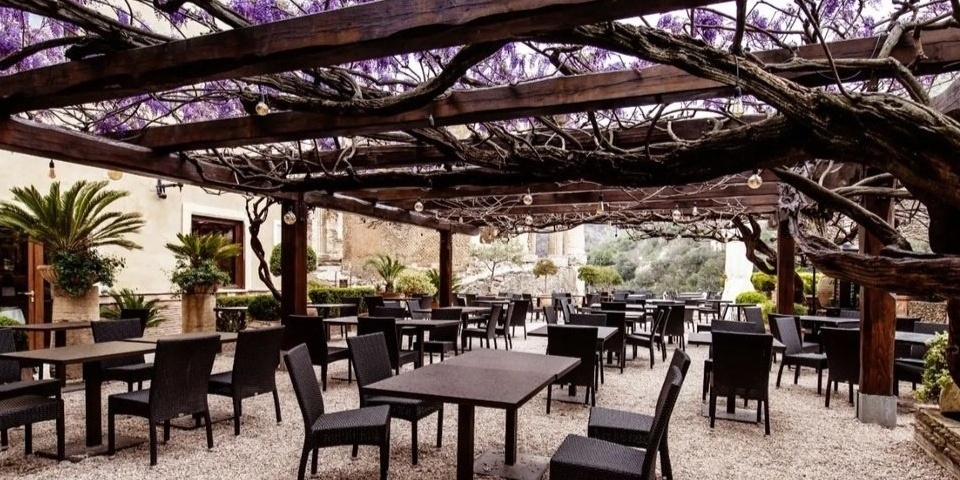
Sibilla restaurant is a unique gastronomical experience along with incredible views of Tivoli. This is a perfect place for a beautiful date, wedding celebration, family lunch or dinner, or just for a meeting with friends. There are vegetarian, vegan, and gluten-free options on the menu. Must visit!

Osteria la Briciola is one of the top seafood restaurants in Tivoli. If you are looking for a combination of excellent service, high-quality food, and beautiful views – this place is for you. There are vegetarian, vegan, and gluten-free options on the menu. Also, don’t forget to try their desserts!
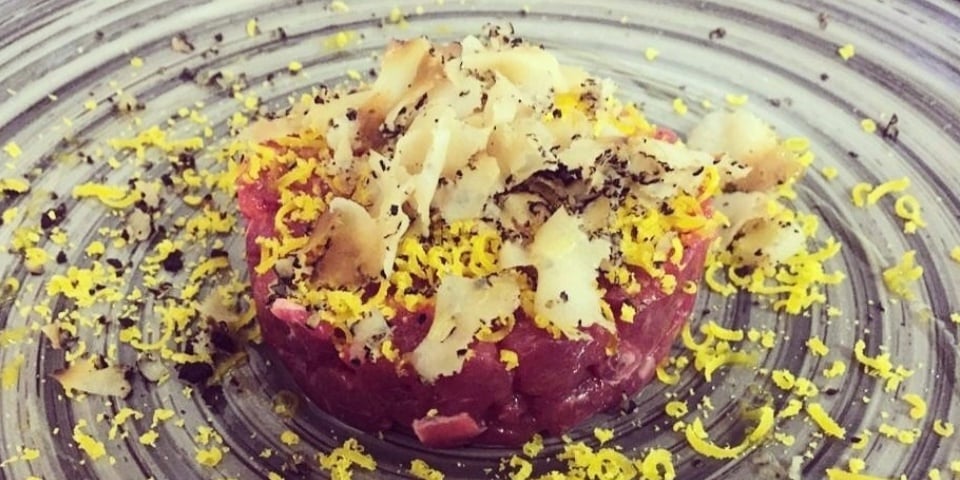
Viva l’Oste is a charming restaurant near the entrance to villa d’Este. It is a family-run place with “menu of the day” options, which make its dishes unique and fresh. Among dishes are local delicacies, traditional Roman dishes, homemade pasta and desserts, and sometimes unusual recipes worth a try.
I hope my tips help you plan your trip to Tivoli from Rome. Of course, you can always ask questions in the comments or ask for an individual consultation.
RomeItaly.guide © 2026. Created with love by Roman experts and guides.