
Villa Celimontana is a public garden on the Caelian Hill. Its paths pass former Mattei grounds and a small obelisk. Approach from the church of Santa Maria in Domnica if you are exploring the hill on foot. Seasonal events may affect access to parts of the park.
Villa Celimontana, or Villa Mattei, is a historic park on the Caelian Hill in Rome. It is situated near the Colosseum and the Baths of Caracalla.
Contents
History
The villa and its surrounding gardens have a long history dating back to ancient Roman times. It was initially part of the Horti Caesaris, the extensive gardens of the Roman Emperor Domitian. Over the centuries, the property changed hands multiple times and underwent various transformations.
In the 16th century, the Mattei family acquired the villa and added Renaissance and Baroque elements to the existing structures. They also expanded the gardens, creating a park with terraces, fountains, and statues.
In the 1920s, Rome acquired Villa Celimontana and opened it to the public as a park. The gardens were redesigned in a more romantic style, with winding paths, lush vegetation, and panoramic viewpoints. The park is known for its beautiful landscaped gardens, tree-lined pathways, and panoramic views of Rome. In addition, it hosts various cultural events, including concerts and festivals, particularly during the summer months.
Visitors to Villa Celimontana can enjoy leisurely walks, picnics, and relaxation in the peaceful surroundings. The park is also home to the Museo della Villa Celimontana, which exhibits archaeological artifacts and provides insights into the area’s history.
What to See Inside
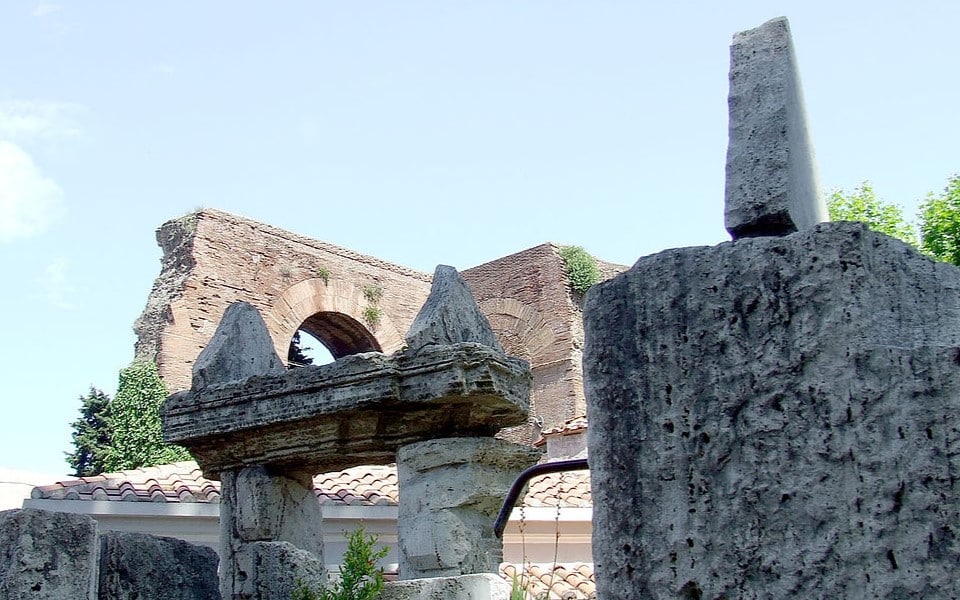
When visiting Villa Celimontana in Rome, there are several highlights and attractions to see:
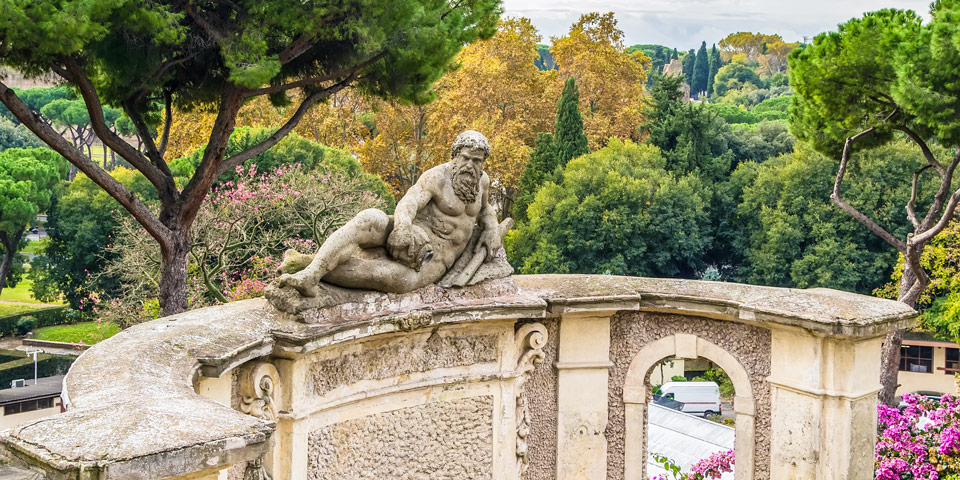
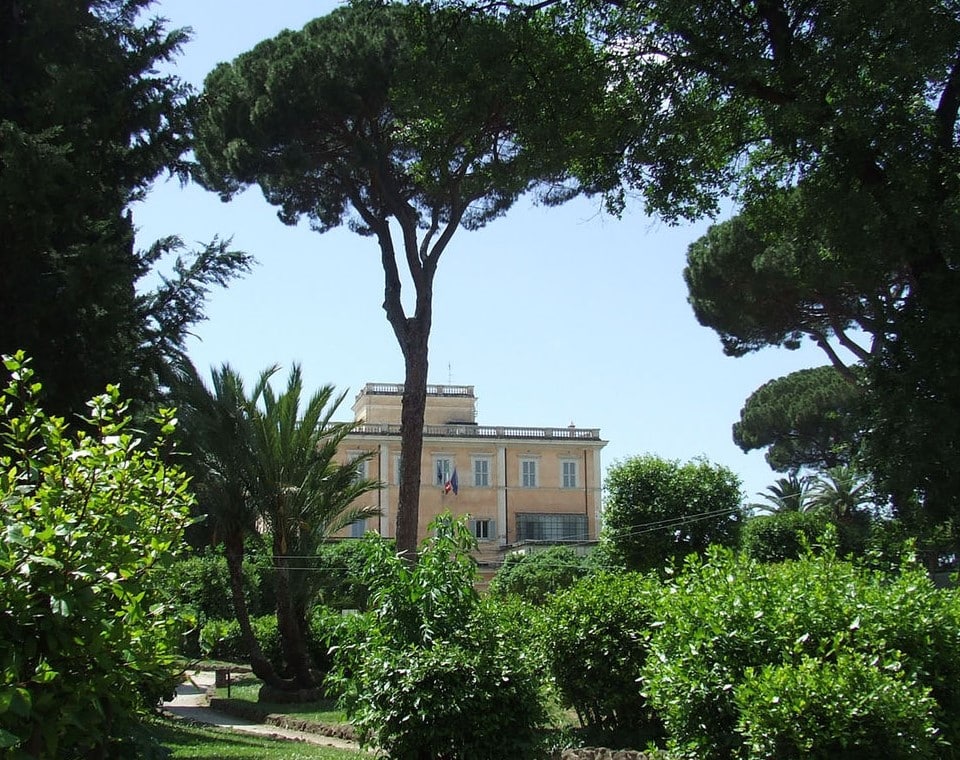
- Gardens: Explore the beautiful gardens of Villa Celimontana, which feature lush greenery, tree-lined paths, and peaceful corners. Take a stroll and admire the different sections of the park.
- Casino Mattei: Visit Casino Mattei, a beautiful building within the villa complex. It showcases a blend of architectural styles and serves as a centerpiece of the estate.
- Fountain of the Obelisk: Discover the Fountain of the Obelisk, a striking centerpiece of the gardens. It features an Egyptian obelisk surrounded by sculptures and a picturesque water basin.
- Museo della Villa Celimontana: Explore the Museo della Villa Celimontana, located within the villa grounds. The museum displays archaeological artifacts that provide insights into the site’s ancient Roman origins.
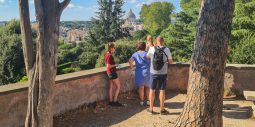
- Panoramic Views: Enjoy the panoramic views of Rome from the elevated terraces within the park. These viewpoints offer glimpses of the Colosseum, the Baths of Caracalla, and the surrounding cityscape.
- Cultural Events: Check for any ongoing cultural events, such as concerts or festivals, often held in the park during summer. These events can add an extra element of enjoyment to your visit.
- Relaxation and Picnics: Villa Celimontana provides a serene atmosphere, making it a perfect spot for relaxation. You can find benches and grassy areas to sit in, picnic, or enjoy the peaceful surroundings.
Interesting facts about Villa Celimontana
Here are some interesting facts about Villa Celimontana:
- The origins of Villa Celimontana date back to ancient times because the site was once part of the vast gardens of the imposing Domus Laterana, the ancient residence of the Laterani family.
- The villa’s name, “Villa Mattei,” comes from the Mattei family, who acquired the property in the 16th century. The family transformed the area into a splendid Renaissance garden.
- Within Villa Celimontana is an ancient Egyptian obelisk known as the “Obelisco Matteiano.” It was brought to Rome from Egypt during the time of Emperor Domitian and was later erected in the villa’s gardens by the Mattei family.
- Villa Celimontana is renowned for its “Estate Romana” summer music festival.” During this festival, the park becomes a venue for concerts featuring various musical genres, including jazz, classical, and world music.
- The Palazzetto Mattei is an architectural gem located within the park. This small Renaissance palace was built by Carlo Maderno, an Italian architect known for his work on St Peter’s Basilica, and it exhibits exquisite architectural details.
- The gardens of Villa Celimontana are known for their romantic atmosphere. They feature ancient ruins, winding paths, shady trees, and lush greenery, providing a peaceful and enchanting escape from the bustling city.
- Within the park, you can find several archaeological remains, including ancient Roman walls, the remains of a nymphaeum, and fragments of ancient statues. These remnants add a historical touch to the park’s ambiance.
- Villa Celimontana offers a dedicated children’s playground, making it a family-friendly destination. Additionally, spacious lawns and picnic areas allow visitors to relax and enjoy a meal or snack in tranquil surroundings.
- You can enjoy panoramic views of Rome from specific vantage points within Villa Celimontana. The elevated position of the Caelian Hill allows visitors to admire landmarks such as the Colosseum and the Roman Forum.
- One of the significant aspects of Villa Celimontana is that it offers free admission to the public. Visitors can explore the park, stroll through the gardens, and soak in the peaceful atmosphere without any entry fee.
Undoubtedly, Villa Celimontana is a hidden gem in Rome, offering a blend of history, nature, and cultural events. It provides a serene retreat where visitors can immerse themselves in the park’s beauty and discover its intriguing past.
Useful Information
- You can buy tickets to the museum directly at the entrance
- The villa opens daily from 7 am until 7 pm
- Metro: You can get to the villa by taking the metro Line B (Blue Line) and getting off at the “Circo Massimo” station. From the “Circo Massimo” station, Villa Celimontana is approximately a 10-15 minute walk. Exit the metro station and head southeast on Via di San Gregorio.
- Here are some bus lines you can take to reach Villa Celimontana. Bus line 81: This bus line runs from Piazza Risorgimento near the Vatican and stops at Circo Massimo, close to Villa Celimontana.
Bus line 160: This bus line runs from Termini Station and stops at Circo Massimo.
Bus line 628: This bus line runs from Piazza Venezia and stops at Circo Massimo.
Bus line 75 runs from Termini Station and stops at Via Labicana, a short walk from Villa Celimontana.
Please note that bus routes and schedules may change, so it’s always a good idea to check the most up-to-date information using Rome’s official website or public transportation apps.
Things to Know Before Visit Villa Celimontana
Is there a jazz festival at Villa Celimontana?
The annual summer event, organised by the Villa Celimontana cultural association, offers outdoor concerts by various Italian and international jazz musicians.
Where is Villa Celimontana located?
Rome’s Villa Celimontana locates on the western slope of Celio Hill and at only a short distance from the Colosseum.
What is the Villa Celimontana famous for?
The Villa Celimontana is best known for its gardens.