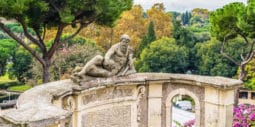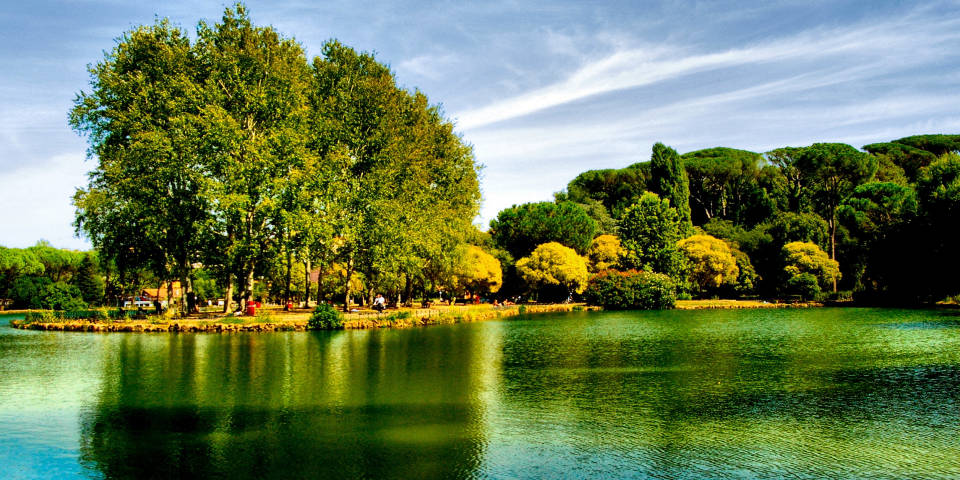


Villa Ada is a large public park north of the historic centre. Choose the entrance closest to the part you want to visit, since the walking routes between gates can be long. Paths range from paved sections to uneven woodland trails, and there is less shade around the open lawns.
Villa Ada, nestled in the heart of Rome, is a sprawling oasis that offers respite from the bustling city. This magnificent park, steeped in history and natural beauty, stands as a testament to the grandeur of its past and the tranquility it offers present-day visitors.
Villa Ada covers about 160 hectares. Rome’s other large parks include Villa Doria Pamphilj and the Appian Way regional park. Whether you seek a peaceful retreat, an outdoor adventure, or a glimpse into the regal past of the Italian royal family, Villa Ada promises an unforgettable experience.
Contents
History of Villa Ada
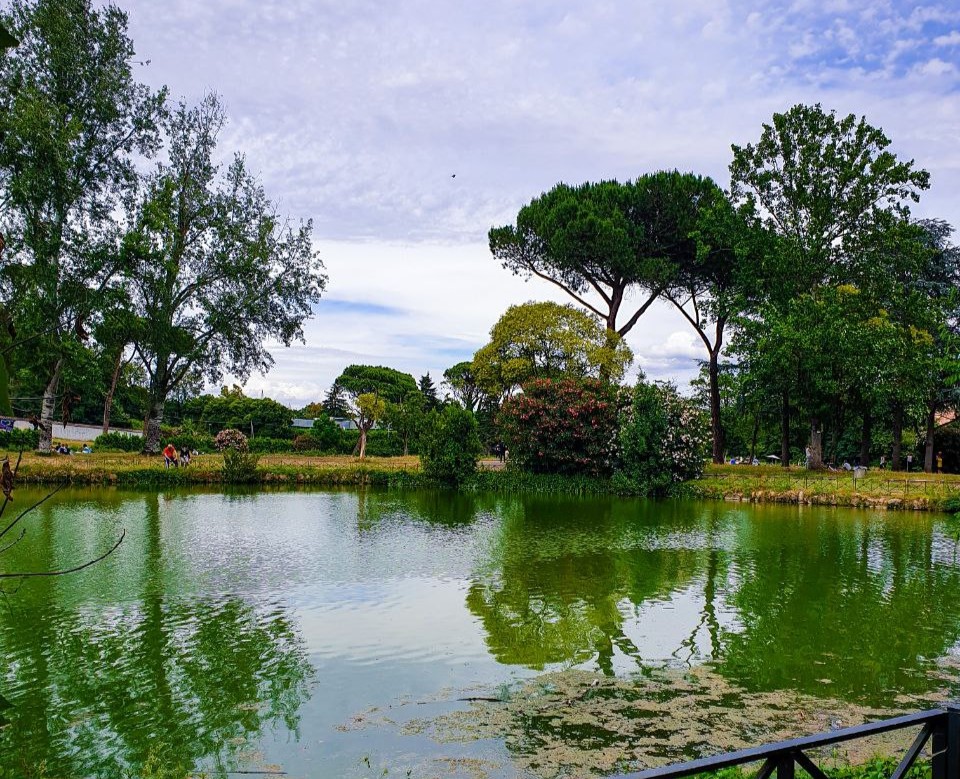
Villa Ada has a rich and intriguing history that spans several centuries. Originally known as the Villa Reale, it was owned by the Italian royal family and served as their private residence during the late 19th and early 20th centuries. First, King Vittorio Emanuele II frequented the villa, and later his son, King Umberto I. The estate underwent significant renovations and enhancements, transforming it into a grand retreat for royalty.
In 1872, the Italian government acquired the villa and its surrounding park and opened it to the public as a public park. It was named Villa Ada in honour of Ada, the wife of King Umberto I. The garden was meticulously landscaped and adorned with beautiful flora, including ancient trees, exotic plants, and colourful flowerbeds. In addition, the lakes within the park were expanded and enhanced, creating serene water features that added to the park’s charm.
During World War II, Villa Ada was occupied by German forces, who used the premises as their headquarters. After the war, the park was returned to public use and underwent restoration and revitalization. Today, Villa Ada is a beloved destination for Romans and tourists, offering a peaceful retreat amidst nature, with walking paths, picnic areas, and recreational facilities. It continues to be a cherished part of Rome’s cultural and historical heritage.
You may also like: Villa Torlonia, the residence of Mussolini
What to See Inside
When visiting Villa Ada in Rome, there are several notable attractions and features to explore. Here are some of the highlights:
- Villa Ada is home to a picturesque lake called Lago di Villa Ada. It offers a serene setting where visitors can stroll along its shores or rent a paddleboat to explore the tranquil waters.
- The park is renowned for its beautifully landscaped gardens and numerous walking paths. Take a leisurely walk through the park, discover hidden corners, and enjoy the lush greenery and vibrant flowers.
- Villa Ada boasts ancient Roman ruins that add an element of history and intrigue to the park. Explore the remains of old walls and structures that stand as reminders of the area’s rich past.
- You can find the Villa Reale, once the royal residence, in the park. Although not open to the public, its magnificent architecture and grandeur can still be admired from the exterior.
- Villa Ada offers designated picnic areas where visitors can relax and enjoy a meal surrounded by nature. The park also provides recreational facilities such as tennis courts and playgrounds, making it an excellent place for outdoor activities.
- Villa Ada hosts various cultural events, including concerts and festivals. In addition, watch for music performances and other artistic events in the park annually.
- The park is home to diverse flora and fauna, providing opportunities for birdwatching and observing other wildlife. Enjoy the tranquility of nature and appreciate the biodiversity within Villa Ada.
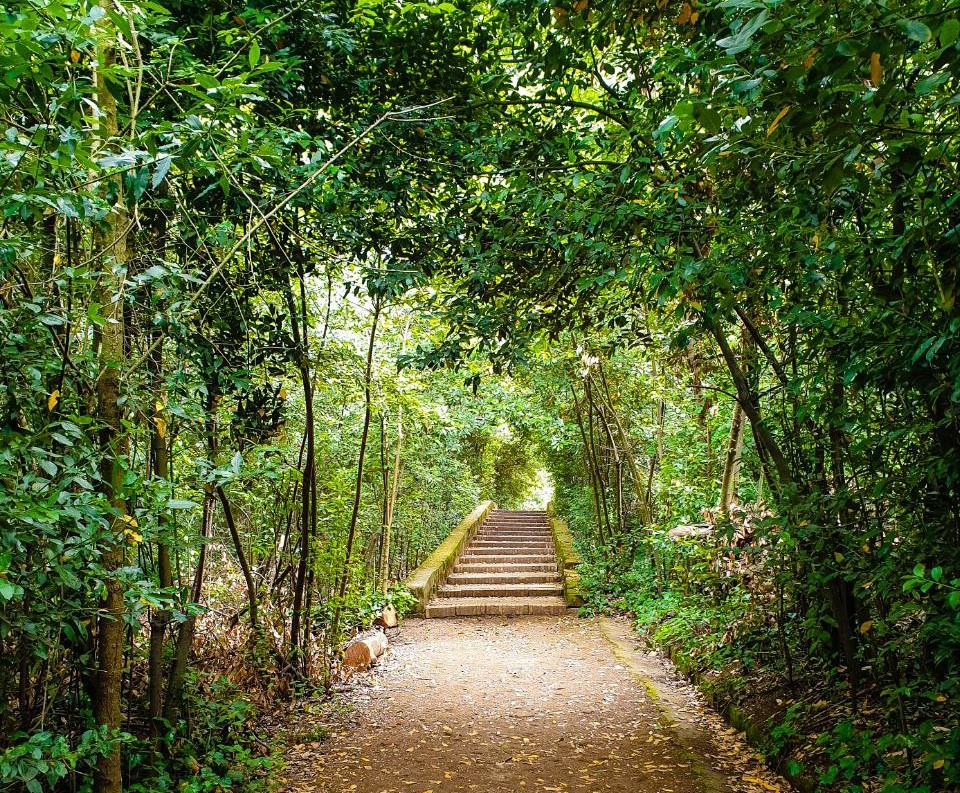
Whether you’re seeking a peaceful escape, a leisurely walk, or a spot for a picnic, Villa Ada offers a beautiful setting to relax and enjoy nature in the heart of Rome.
Interesting Facts about Villa Ada
Here are some interesting facts about Villa Ada in Rome:
- Villa Ada was once the private residence of the Italian royal family. King Vittorio Emanuele II and his son, King Umberto I, frequented the villa during their reigns in the late 19th and early 20th centuries.
- It is the largest public park in Rome, covering an expansive area of approximately 450 acres (182 hectares). Its vast size offers ample space for visitors to explore and enjoy nature.
- The park was named Villa Ada in honour of Queen Margherita of Savoy’s daughter-in-law, Ada. She was the wife of King Umberto I and was known for her philanthropic efforts and involvement in social causes.
- The park features meticulously landscaped gardens that have witnessed various historical transformations. As a result, the gardens offer a delightful mix of styles and flora, from Renaissance elements to modern landscaping.
- It is home to diverse flora and fauna, including ancient trees, exotic plants, and wildlife. The park’s natural environment creates a serene atmosphere for visitors to unwind and connect with nature.
- It provides recreational facilities, including tennis courts, soccer fields, and playgrounds. Visitors can enjoy various sports and leisure activities while enjoying the park’s natural beauty.
- The park’s diverse ecosystem supports many bird species, making it a haven for birdwatchers. Bird enthusiasts can spot different species and observe their behaviors within the park.
- Lago di Villa Ada, the park’s lake, offers a tranquil setting for visitors. Whether strolling along its shores or renting a paddleboat, the lake provides a peaceful retreat within the park.
Entrances and public transport
Villa Ada has entrances on Via Salaria, Via di Ponte Salario, Via di Monte Antenne and Via Panama. The entrance off Via Salaria is useful for the playground and lake. Choose the gate first, then check ATAC or a live route planner for the closest stop from where you are starting. The city’s park listing has the current visiting information.
Things to Know Before Visit Villa Ada
How large is Villa Ada?
Villa Ada covers about 160 hectares. Rome’s other large parks include Villa Doria Pamphilj and the Appian Way regional park.
What happened to Villa Ada in Rome during the World War II?
During World War II, Villa Ada was occupied by German forces, who used the premises as their headquarters. After the war, the park was returned to public use and underwent restoration and revitalization.
What to do in Villa Ada?
Villa Ada hosts various cultural events, including concerts and festivals. In addition, watch for music performances and other artistic events in the park annually.