
Crypta Balbi preserves layers of urban history behind the Theatre of Balbus. Museum galleries and guided access to archaeological areas can have different arrangements during redevelopment. Check the National Roman Museum’s site page for the parts open to visitors and whether booking is required.
The Crypta Balbi is an archaeological site and museum in the heart of Rome. It is part of the National Roman Museum network. It is known for its unique historical layers, showcasing the site’s evolution from ancient Roman to medieval periods. Visitors can explore the excavated remains of ancient buildings, streets, and artifacts, providing valuable insights into Rome’s urban development and transformation over the centuries.
Contents
Current access to Crypta Balbi
Access depends on the work in progress at the site. Check the National Roman Museum’s Crypta Balbi page for announced tours and booking instructions. A guided archaeological visit can have a different meeting point and scope from the usual museum visit.
What is the significance of the Crypta Balbi in Roman history?
The Crypta Balbi is significant in Roman history because it provides a unique archaeological insight into the evolution of Rome’s urban landscape. It showcases the layers of history, from ancient Roman structures to medieval transformations, offering valuable information about how the city developed over time.
What can you expect to see at the Crypta Balbi Museum?
The Crypta Balbi Museum visitors can expect to see well-preserved archaeological excavations of ancient Roman buildings, streets, and artifacts. The museum also features multimedia exhibits, ancient artifacts, and a medieval section highlighting the site’s rich history.
How do I purchase tickets and plan a visit to the Crypta Balbi?
Access depends on the work in progress at the site. Check the National Roman Museum’s Crypta Balbi page for announced tours and booking instructions. A guided archaeological visit can have a different meeting point and scope from the usual museum visit.
History
Initially, during the heyday of the Roman Republic and Empire, the site was occupied by ancient Roman buildings. These structures were an integral part of the bustling urban centre of ancient Rome, reflecting the architectural and cultural richness of the era. However, as Rome’s fortunes shifted and the city transformed over time, these buildings fell into disuse and obscurity.
In the Middle Ages, Rome witnessed a period of decline and contraction, marked by a decrease in population and the repurposing of many ancient Roman structures. The site that would become the Crypta Balbi saw significant alterations during this time. Medieval workshops and residences were established within and around the ancient ruins, laying a new chapter on the site’s history.
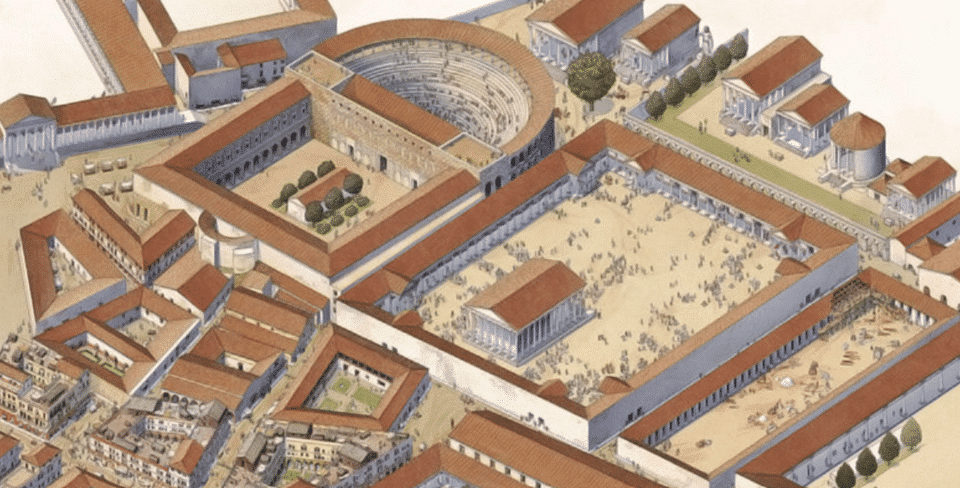
In the latter part of the 20th century, the Crypta Balbi’s historical significance was rediscovered. In the 1980s and 1990s, comprehensive archaeological excavations uncovered the hidden layers of history beneath the medieval and Renaissance buildings constructed atop the ancient ruins. This meticulous process revealed the rich tapestry of Rome’s past, offering insights into its urban development and cultural changes.
The site and its archaeological collections
Excavations reveal what happened on this block after the theatre fell out of use. Objects from workshops, homes and religious buildings help trace changes in daily life through late antiquity and the Middle Ages.
What to See in the Crypta Balbi Museum?
The Crypta Balbi Museum in Rome is a treasure trove of history, offering visitors a detailed glimpse into the city’s ancient and medieval past. Here are some specific highlights to focus on during your visit:
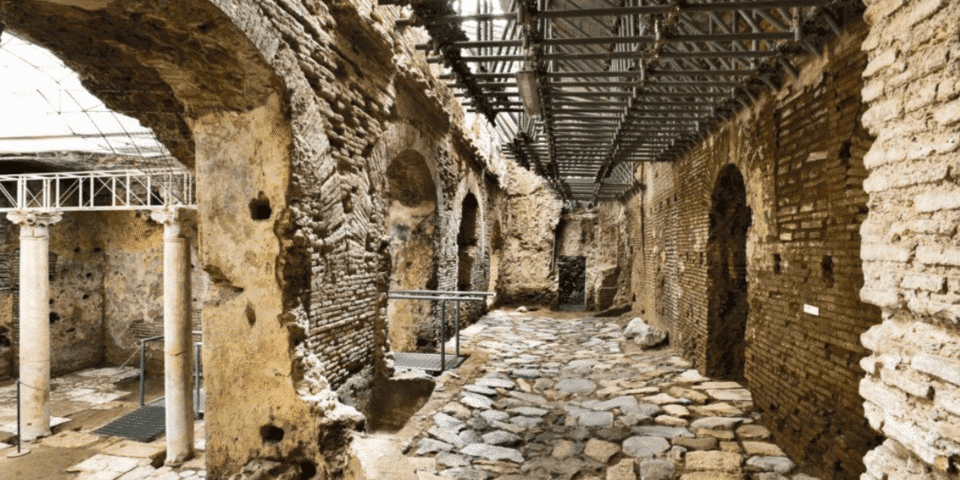
- Descend into the underground section to view the meticulously preserved remains of the ancient Roman theatre’s portico. Look for the original street pavement and drainage system, which reveal the urban planning of ancient Rome.
- Explore the area dedicated to medieval craft workshops. Pay attention to the reconstructed tools and materials used by blacksmiths and glassmakers, which provide insight into the everyday trades of medieval Rome.
- Visit the interactive timeline exhibit that traces the transformation of the site from antiquity to the Middle Ages. This exhibit uses digital reconstructions to show how the area evolved over time, highlighting key historical periods and events.
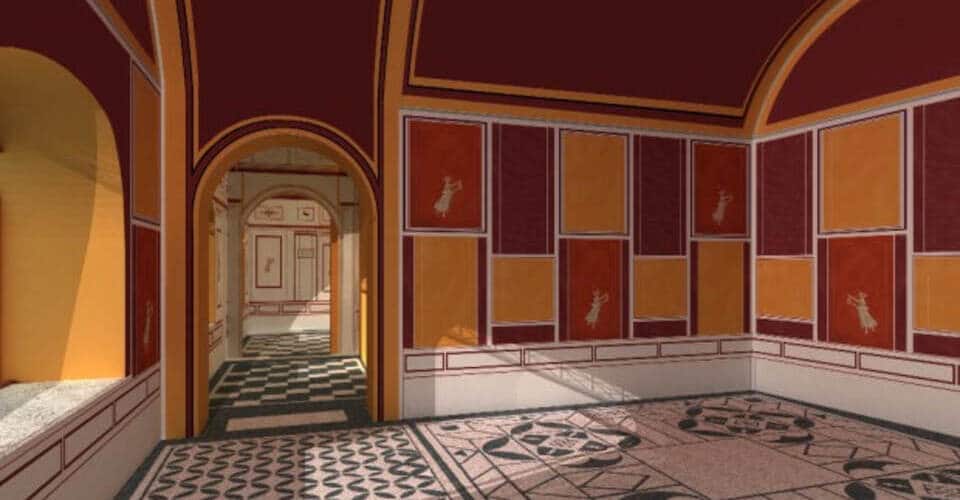
- Don’t miss the collection of mosaics and frescoes found during the excavations. Notice the intricate designs and vibrant colours, which reflect the artistic styles and techniques of different eras.
- Observe the juxtaposition of the museum’s modern architecture with the ancient and medieval ruins. The seamless integration of contemporary design with historical structures creates a unique ambiance that enhances the viewing experience.
By focusing on these specific features, you will gain a deeper appreciation for the complex history and cultural significance of the Crypta Balbi Museum.
Interesting Facts
- The Crypta Balbi uniquely showcases both ancient Roman and medieval history. Constructed around 13 B.C. as part of the Theatre of Balbus, it later became a site for medieval structures built on top of the Roman ruins, illustrating the continuous habitation and evolution of the area.
- Within the museum complex, you can observe architectural elements from various periods, including Roman columns, medieval walls, and Renaissance modifications. This blend of styles vividly demonstrates Rome’s architectural evolution over the centuries.
- Despite its rich historical significance, the Crypta Balbi is less frequented by tourists compared to other Roman sites. Opened to the public in 2001, it offers a more intimate experience, allowing visitors to explore its treasures without the usual crowds.
- The museum employs modern technology to enhance the visitor experience. Interactive exhibits and multimedia displays vividly depict the site’s transformation, making history accessible and engaging for all ages.
- Since its discovery in the 1980s, the Crypta Balbi has been an active archaeological site. Ongoing excavations and studies continue to uncover new insights, with findings such as North African pottery dating back to the 5th century, revealing Rome’s extensive trade connections.
See also the recommended itinerary for 3 days in Rome.