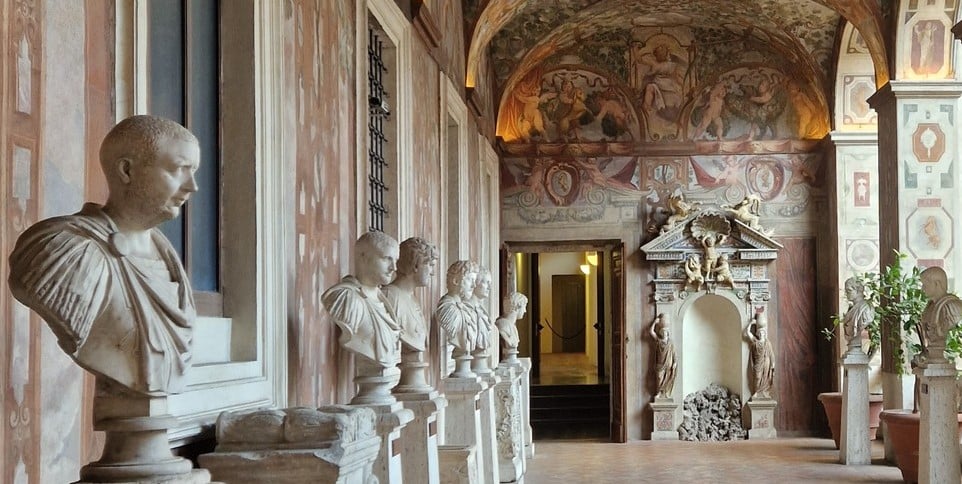

At Palazzo Altemps, allow time to look at the rooms as well as the sculpture. The Ludovisi collection includes the Ludovisi Throne and the Galatian group. Check the National Roman Museum’s Palazzo Altemps page for current hours, tickets and entrance information.
The National Roman Museum: Palazzo Altemps is housed in a Renaissance palace. This museum is renowned for its extensive collection of ancient sculptures, including the Ludovisi and Altemps collections, showcasing masterpieces from the Roman era. Visitors can explore the rich artistic and cultural heritage of ancient Rome through the well-preserved sculptures and archaeological artifacts displayed within the historic setting of Palazzo Altemps.
Contents
History of Palazzo Altemps
Palazzo Altemps, a magnificent Renaissance palace, has a rich history intertwined with the city’s cultural evolution. Built-in the 16th century by Girolamo Riario, a nephew of Pope Sixtus IV, the palace initially served as a residence for the Riario family.
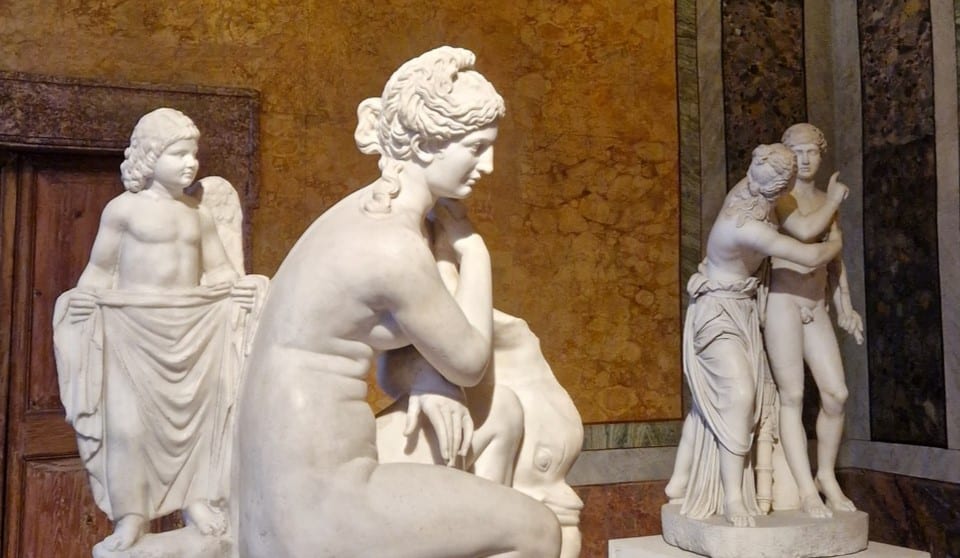
The architectural design of Palazzo Altemps reflects the grandeur and elegance of the Renaissance period, featuring a harmonious blend of classical and Renaissance elements with intricately decorated façades and interior courtyards.
In the 16th century, the palace came under the ownership of the Altemps family, from which it derives its name. Over the centuries, Palazzo Altemps underwent various transformations and changes in ownership.
The Altemps Palace Nowadays
In the 20th century, the Italian state acquired the palace, and it was subsequently restored and repurposed as a museum. Today, the National Roman Museum: Palazzo Altemps showcases a remarkable collection of ancient sculptures and artifacts, offering visitors a glimpse into ancient Rome’s artistic and cultural legacy.
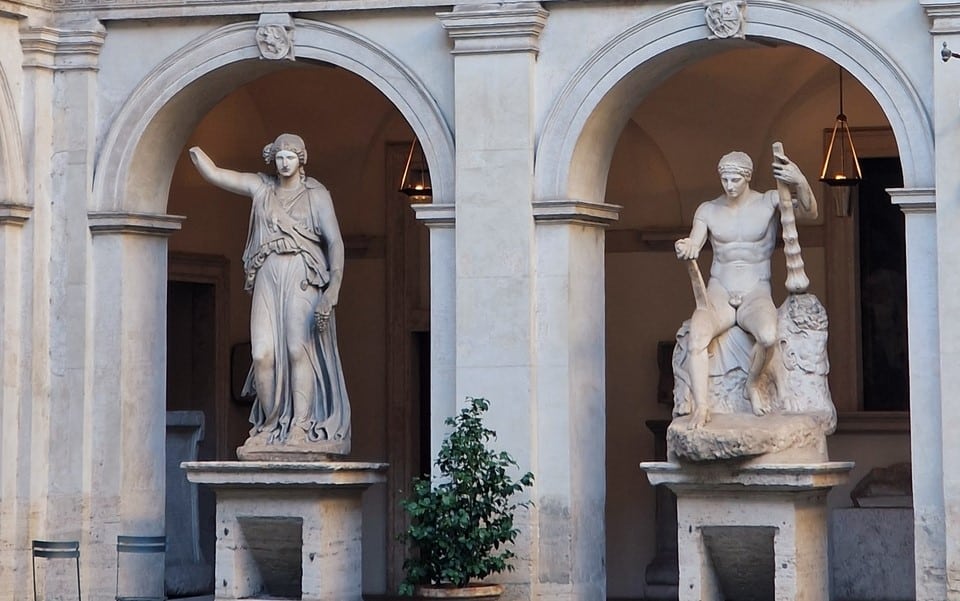
The museum’s collection includes the Ludovisi and Altemps collections, featuring various sculptures, reliefs, and decorative arts from different periods of Roman history.
Palazzo Altemps provides a unique setting for these masterpieces, with its historic rooms and courtyards as a backdrop for the ancient artworks. Through its exhibitions and displays, the museum highlights the artistic achievements of ancient Roman sculptors and the enduring influence of Roman culture on subsequent civilizations.
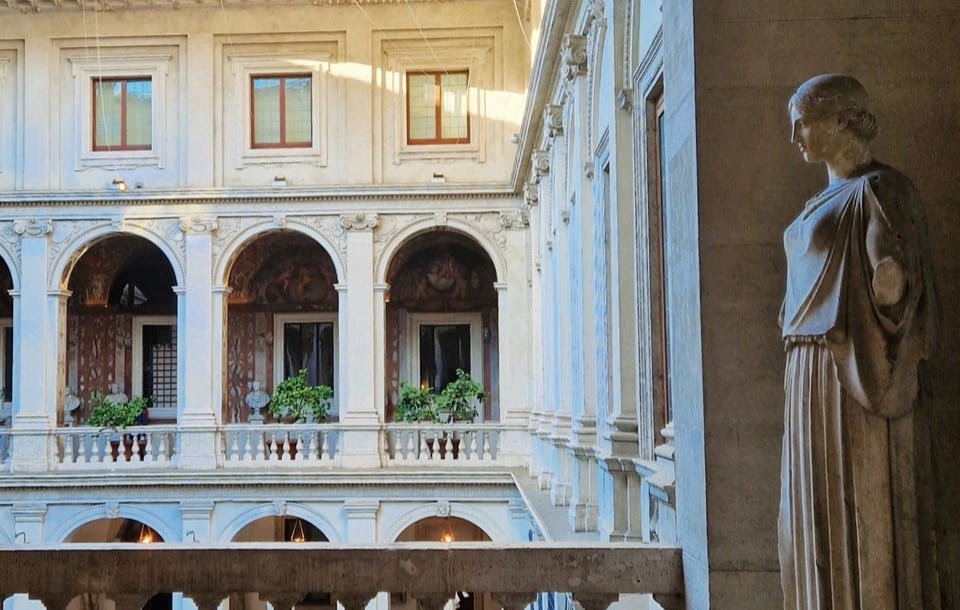
What to See Inside Palazzo Altemps
Inside Palazzo Altemps, visitors can explore a captivating array of ancient sculptures, artifacts, and decorative arts that provide insights into ancient Rome’s artistic and cultural achievements. Here are some highlights and areas to explore:
- Courtyards and Architecture: Begin your visit by admiring the architectural features of Palazzo Altemps, including its historic courtyards and Renaissance design elements. These spaces offer a glimpse into the palace’s rich history and provide a serene setting for the displayed artworks.
- Ludovisi Collection: One of the main attractions is the Ludovisi Collection, which includes renowned sculptures such as the “Ludovisi Gaul” and the “Throne of Zeus.” These masterpieces showcase the exquisite craftsmanship and expressive artistry of ancient Roman sculptors.
- Altemps Collection: Explore the Altemps Collection, which features various sculptures, reliefs, and decorative arts. Highlights include the “Ares Ludovisi,” a captivating statue depicting the god of war, and the “Sarcophagus of the Amazons,” a remarkable ancient Roman sarcophagus adorned with intricate carvings.
- Egyptian Collection: Palazzo Altemps also houses an Egyptian Collection, offering a fascinating juxtaposition of Roman and Egyptian art. Discover statues, reliefs, and artifacts that reflect these ancient civilizations’ cultural exchanges and influences.
- Frescoes and Decorative Arts: Admire the frescoes and decorative arts that adorn the palace’s interiors, reflecting the Renaissance’s aesthetic tastes and decorative techniques. These ornate details enhance the museum experience and provide context for the displayed artworks.
- Temporary Exhibitions: Depending on the timing of your visit, check out any temporary exhibitions or unique displays that may be hosted at Palazzo Altemps. These rotating exhibits often feature curated selections from the museum’s extensive collection, offering fresh perspectives on ancient Roman art and history.
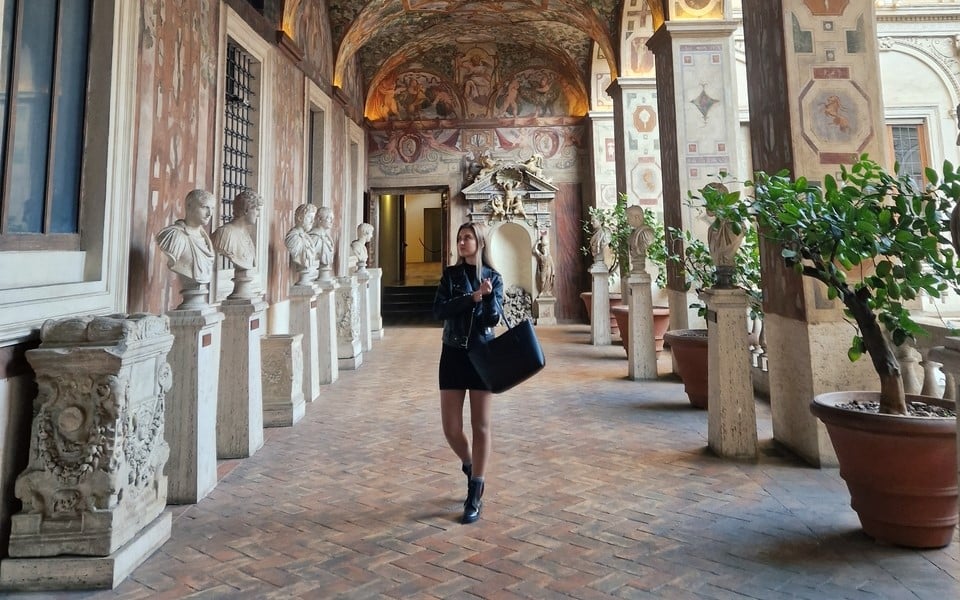
As you explore Palazzo Altemps, take your time to appreciate the intricate details and historical significance of each artwork and artifact. The museum’s unique setting within a Renaissance palace adds to the immersive experience, allowing visitors to connect with the enduring legacy of ancient Rome.
Read also about the Palazzo Barberini in Rome and free Rome Museums.
Visiting Palazzo Altemps
Visit the official Palazzo Altemps page to check the entrance, current admission and closing days.
Where can you buy tickets to the Palazzo Altemps?
Visit the official Palazzo Altemps page to check the entrance, current admission and closing days.
What to see inside Palazzo Altemps?
One of the main attractions of the Palazzo Altemps is Ludovisi Collection, which includes renowned sculptures such as the “Ludovisi Gaul” and the “Throne of Zeus.”
Is there an Egyptian Collection inside Palazzo Altemps?
Palazzo Altemps also houses an Egyptian Collection, offering a fascinating juxtaposition of Roman and Egyptian art.
Where can you take photos in Rome with no crowds of tourists?
One of the best spots for a beautiful photoshoot in Rome is Palazzo Altemps, with its spacious, decorated rooms and beautiful courtyard.