992122 travellers read
Written by: Kate Zusmann
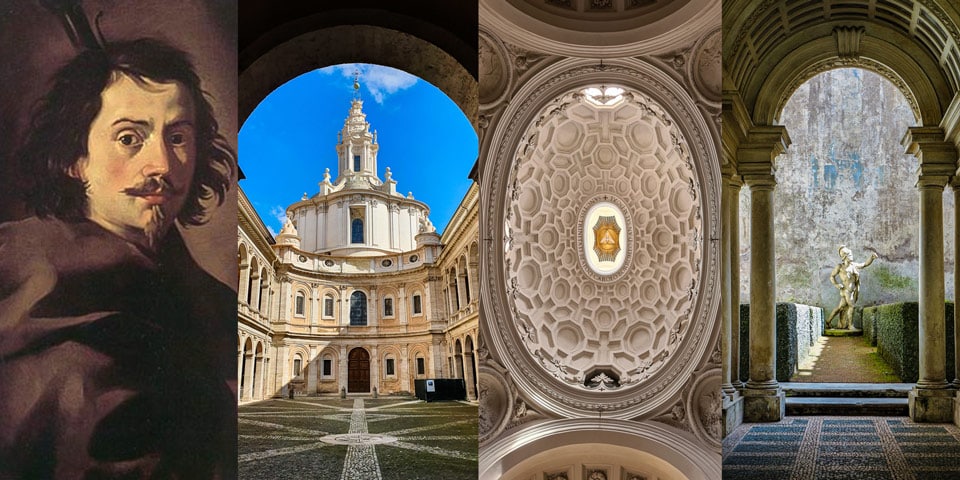
You can see Francesco Borromini’s work in Rome on a walk from the Quirinal to Piazza Navona and Palazzo Spada. Begin with the small church of San Carlo alle Quattro Fontane. Its floor plan and dome explain more about his work than a list of buildings ever could.
Francesco Castelli, known as Borromini, was born in Bissone in 1599. In Rome he worked with Carlo Maderno and later with Gian Lorenzo Bernini. Their names appear together at several projects because building campaigns changed hands. A commission to finish a facade or alter an interior gives an architect a different role from designing the whole building.
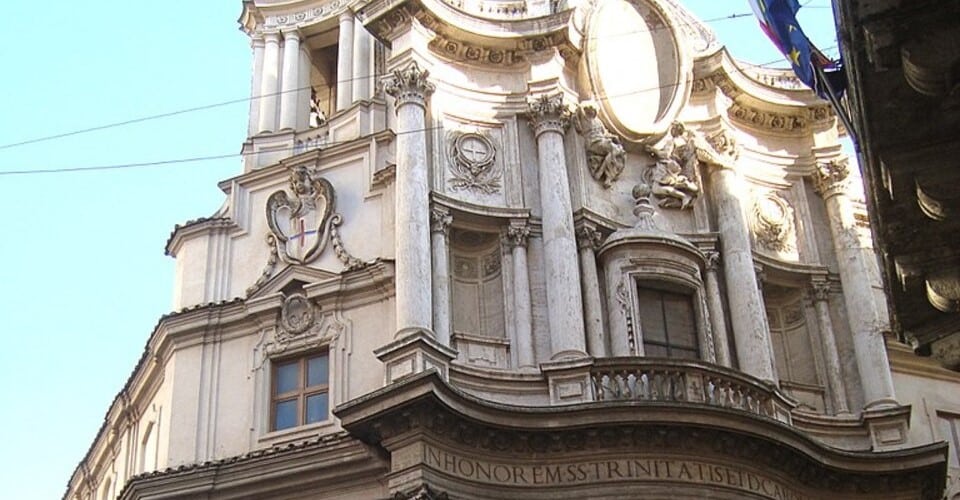
At San Carlo alle Quattro Fontane, the facade curves along a narrow street. Inside, look up for the cross and polygon shapes in the oval dome. Check current access before planning an interior visit.
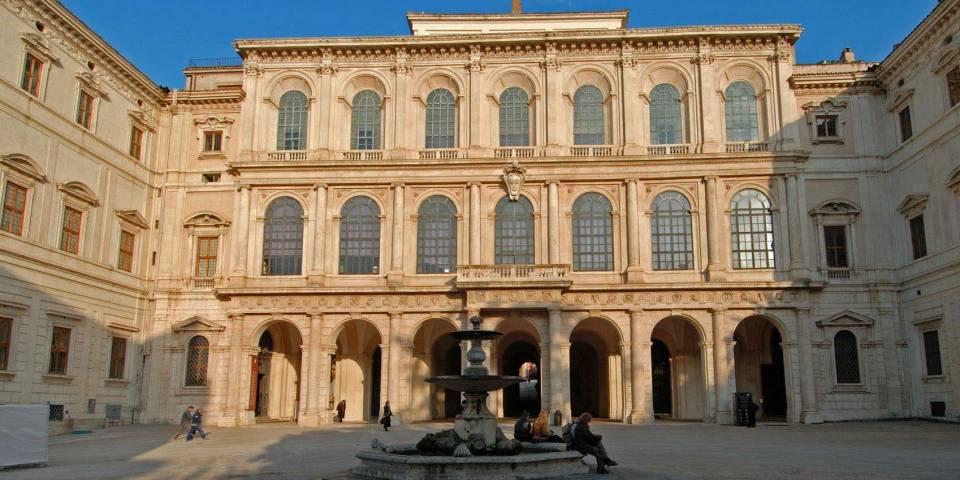
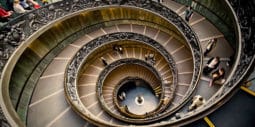
Nearby, Palazzo Barberini is associated with Maderno, Bernini and Borromini. The oval staircase is usually attributed to Borromini. See the Barberini Corsini galleries for admission and current opening information.
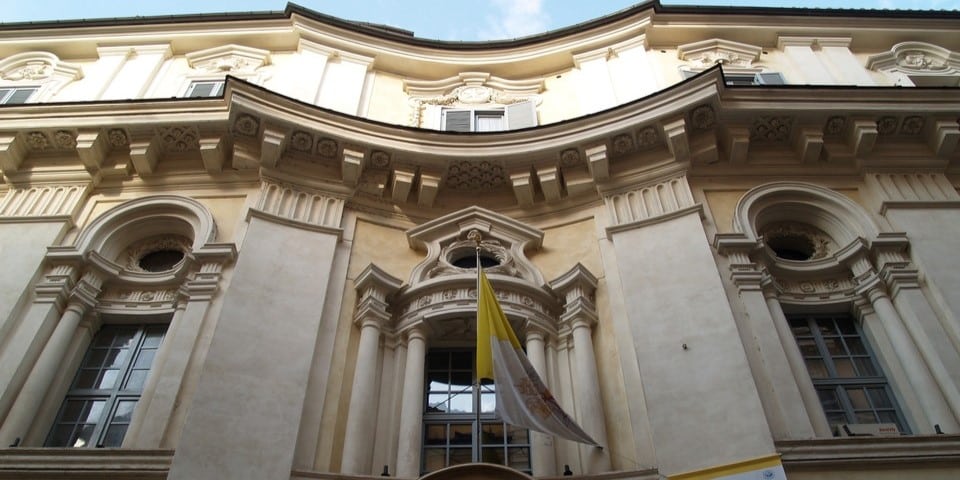
Near the Spanish Steps, see Borromini’s facade on Via di Propaganda. The palace is also associated with Bernini. Use the Turismo Roma listing before planning an interior visit.
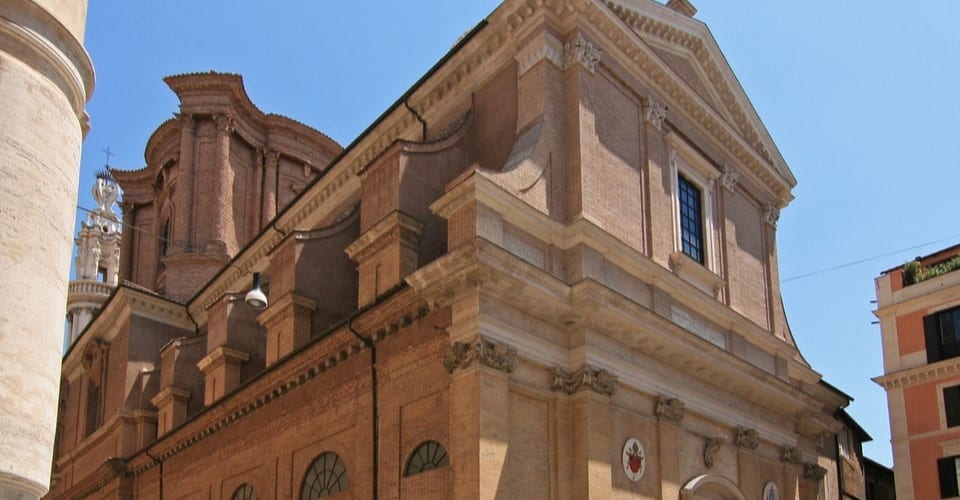
At Sant’Andrea delle Fratte, look up from the street for the bell tower and the brickwork of the dome’s exterior. The church is also known for two marble angels by Bernini.
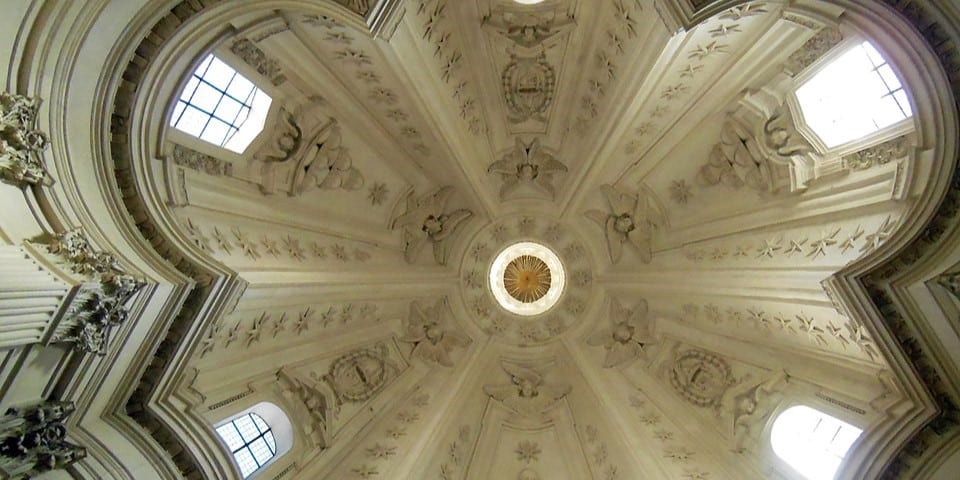
If the old university courtyard on Corso del Rinascimento is open, look up at the spiral lantern of Sant’Ivo. Church access can have separate hours. Check both before visiting.
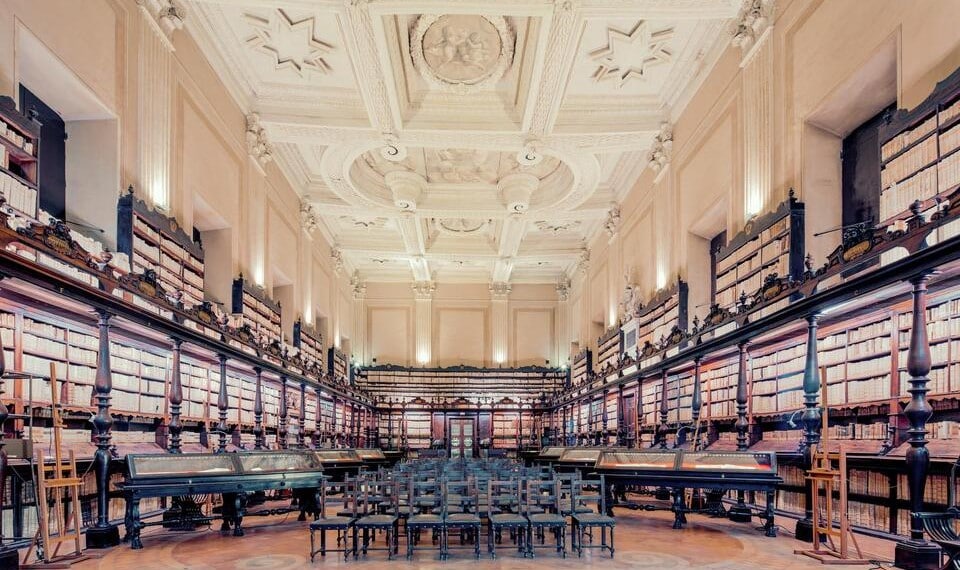
Beside Chiesa Nuova, the Oratory of the Filippini has a brick facade that bends towards the street. See the city’s listing for the building and library.
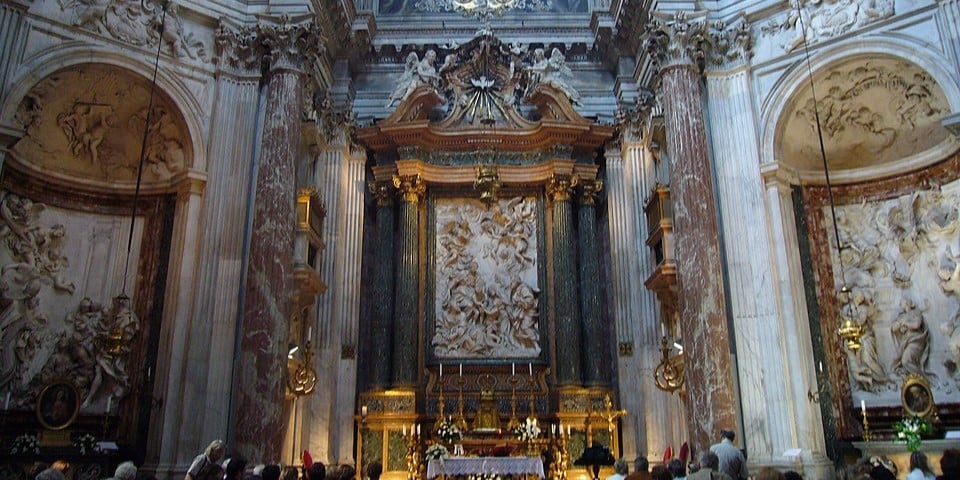
On Piazza Navona, Girolamo and Carlo Rainaldi began Sant’Agnese in Agone. Borromini later reworked the facade and other parts of the design before others continued the project.
Next door, the Palazzo Pamphilj was built to Girolamo Rainaldi’s design. Borromini designed its gallery, which Pietro da Cortona decorated. The palace houses the Brazilian embassy, so check the conditions for visits in advance.
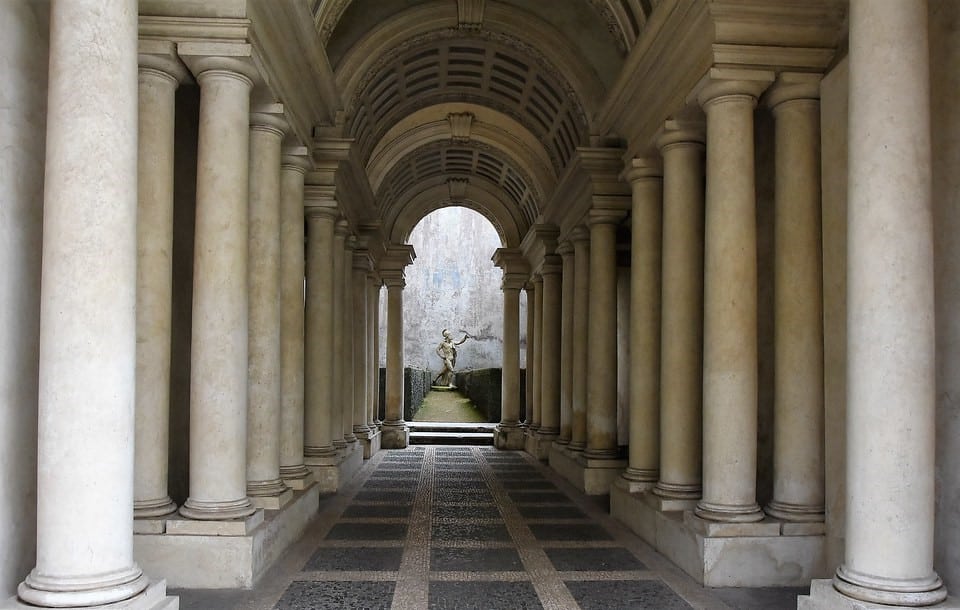
At Palazzo Spada, Borromini created a short corridor that looks much longer. The ceiling drops, the floor rises and the columns get smaller as they recede. Look at the statue at the end, then compare its apparent size with the actual length of the gallery.
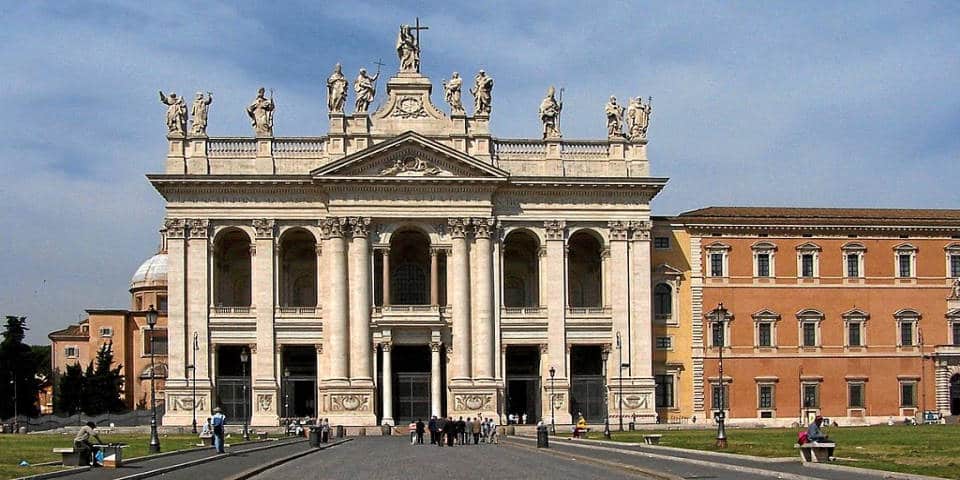
Visit the Lateran Basilica on a separate walk. Borromini remodelled the interior for Innocent X before the Jubilee of 1650. The facade visitors see today is a later work. The city’s Borromini itinerary has more stops and details.
RomeItaly.guide © 2026. Created with love by Roman experts and guides.