
The House of the Knights of Rhodes (La Casa dei Cavalieri di Rodi) is a fascinating historic site nestled in the heart of Rome, offering a rare glimpse into the city’s mediaeval past. Once home to the Knights of the Order of Rhodes, this architectural treasure boasts a rich history that dates back centuries.
In this article, I will guide you through the intriguing history of the order and provide all the details on visiting this unique site as part of an Italian-language group tour. Whether you’re a history enthusiast or simply curious about hidden gems in Rome, this tour promises to be an unforgettable experience.
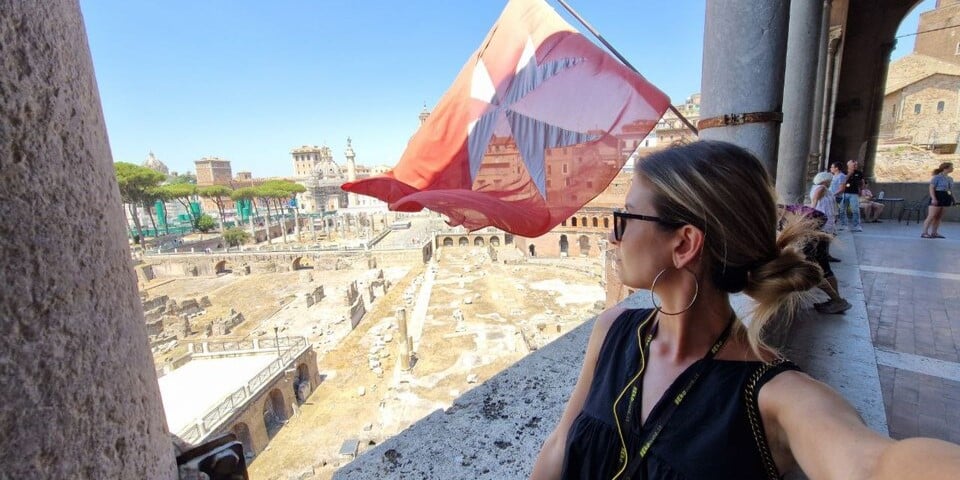
Below are the main highlights that I recognised from the tour:
Contents
History
The Order of the Knights of Rhodes, also known as the Knights Hospitaller, traces its origins to the 11th century as a religious and military order dedicated to caring for the sick and protecting Christian pilgrims in the Holy Land. After their expulsion from Jerusalem and later Cyprus, the knights established their headquarters on the island of Rhodes, where they fortified the city and defended it against numerous sieges. Their role as warriors and caregivers made them a powerful and influential organisation in mediaeval Europe.
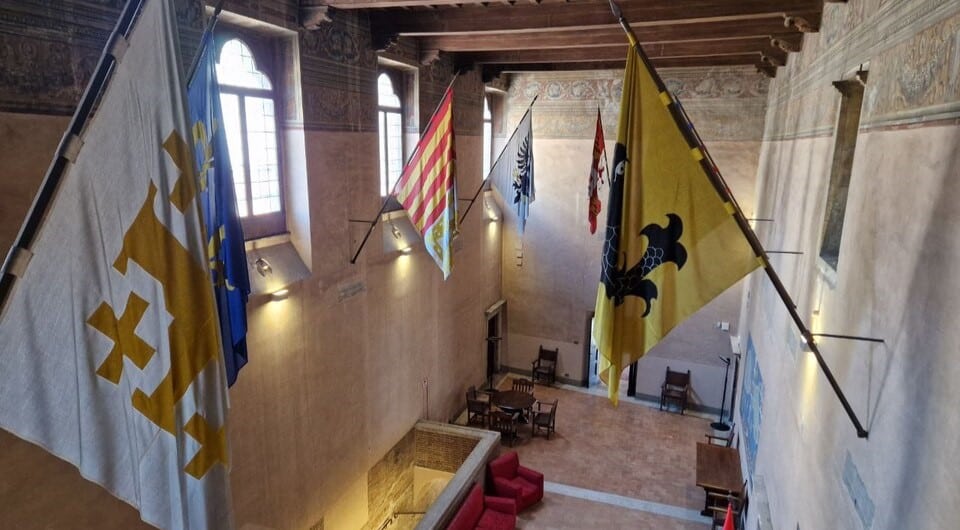
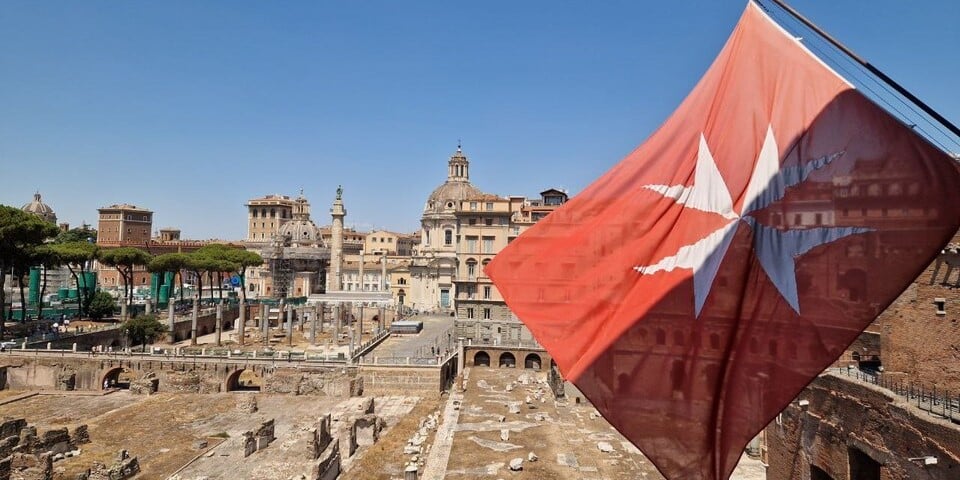
By the 14th century, the knights had expanded their presence across Europe, including establishing a base in Rome. The Casa dei Cavalieri di Rodi in Rome served as the Roman residence and administrative centre for the order. Built atop the ruins of the ancient Roman Forum of Augustus, the house has a strategic location that symbolises the order’s connection to Rome’s imperial past and its Christian mission. Over the centuries, the building witnessed many changes, with elements of Renaissance architecture being added to the mediaeval structure.
The house became particularly important in the 15th century when the order’s Grand Masters resided there during their time in Rome. It was also used for diplomatic meetings and as a place of retreat for the knights when they were not engaged in battles or pilgrimages. Although the knights eventually moved their base to Malta, where they became known as the Knights of Malta, their legacy in Rome remains intact through this historic building.
Nowadays
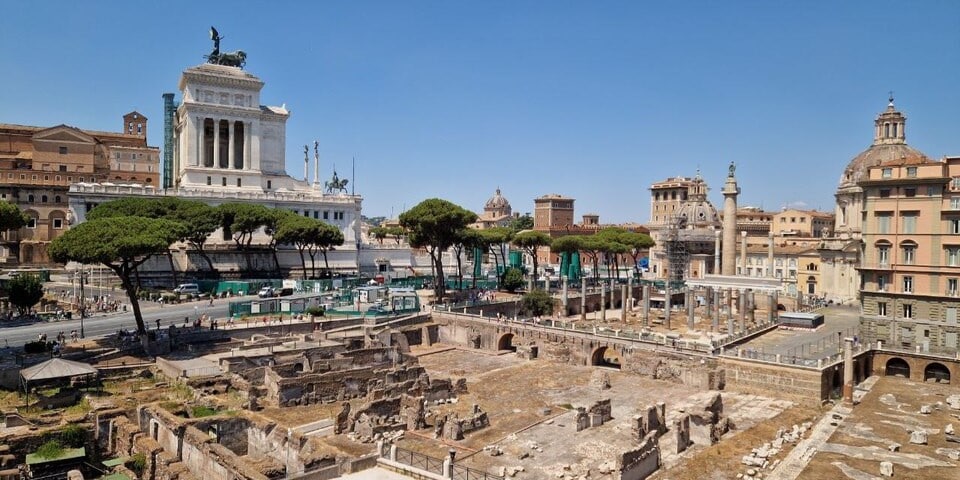
Today, the Casa dei Cavalieri di Rodi stands as a testament to the order’s influence in both Rome and the broader Christian world. Visitors can explore the ancient halls, which still retain traces of their mediaeval and Renaissance past, and learn about the knights’ role in shaping European history. The building’s history reflects the resilience and adaptability of the order, from its beginnings in the Holy Land to its lasting presence in Rome.
What to See Inside The House of the Knights of Rhodes?
Here are the top things to see inside the House of the Knights of Rhodes (La Casa dei Cavalieri di Rodi):
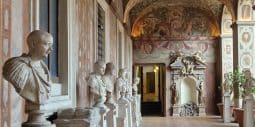
- Mediaeval halls – The building’s original halls offer a glimpse into mediaeval architecture, with thick walls and vaulted ceilings that once hosted the knights.
- Frescoes – Look for beautifully preserved frescoes that depict religious and historical scenes, some dating back to the Renaissance period.
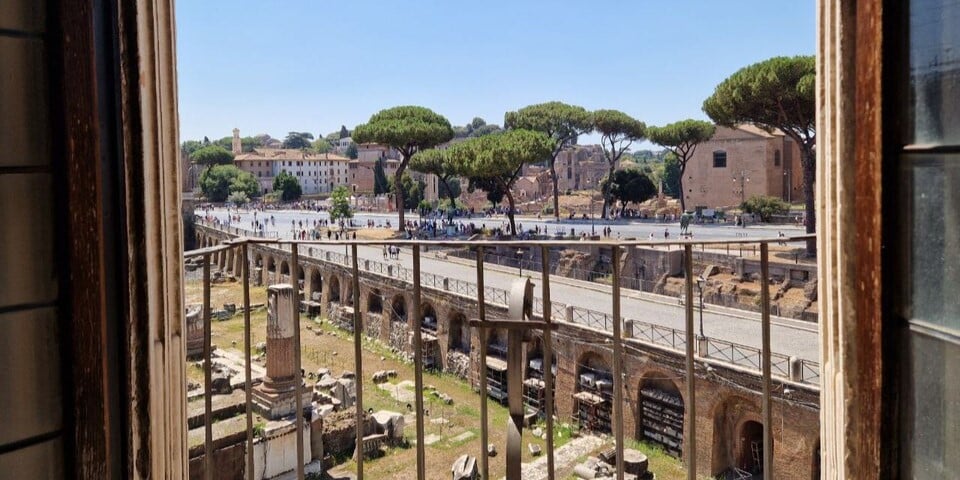
- Loggia – This open-air gallery offers panoramic views over the Roman Forum and is an architectural highlight of the house.
- Chapel of St John the Baptist – A small but ornate chapel dedicated to the patron saint of the Knights, featuring religious iconography and altars.
- Renaissance courtyard – A peaceful, elegant courtyard surrounded by columns, showcasing the transition from mediaeval to Renaissance design.
- Knights’ quarters – Some of the knights’ living quarters have been preserved, giving visitors a sense of the daily life of these mediaeval warriors.
- Ceremonial rooms – These rooms were used for important meetings and gatherings, often decorated with symbols of the order.
- Artefacts and relics – Displayed throughout the building, these include armour, weapons, and religious relics that once belonged to the knights.
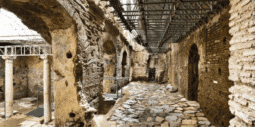
- Roman foundations – The house is built atop the remains of the Roman Forum of Augustus, and parts of the ancient foundations are visible.
- Views of the Forum – From various points in the building, you can enjoy impressive views over the Roman Forum, connecting the house to the ancient history of Rome.
Interesting Facts
Here are some interesting facts about the House of the Knights of Rhodes:
- The House of the Knights of Rhodes was primarily used for administrative purposes by the order and served as a diplomatic centre during its peak.
- This historic building has been influenced by various architectural styles over the centuries, reflecting the changing tastes and needs of its occupants.
- The order had a significant presence in Rome, where they not only engaged in military activities but also contributed to the city’s cultural and religious life.
- The structure features a distinct blend of Gothic and Renaissance architectural elements, making it a unique example of its kind in Rome.
- The Knights of Rhodes had a diverse membership, including nobles and commoners from various European countries, which influenced the order’s traditions and practices.
- The building is known for its impressive collection of historical documents, manuscripts, and art related to the Knights’ activities and missions across Europe.
- In the 18th century, the House of the Knights of Rhodes became a meeting point for European intellectuals and artists, contributing to the Enlightenment movement in Rome.
- The façade of the building showcases intricate carvings and symbols associated with the Knights Hospitaller, including their iconic Maltese cross.
- During the Italian unification in the 19th century, the house underwent changes that reflected the political shifts in Italy and the diminishing power of the knightly orders.
- Today, the Casa dei Cavalieri di Rodi serves as a cultural venue, hosting exhibitions and events that celebrate its rich history and the legacy of the Knights Hospitaller.
Read also our guide to the Vatican Gardens.
How to Visit The House of the Knights of Rhodes?
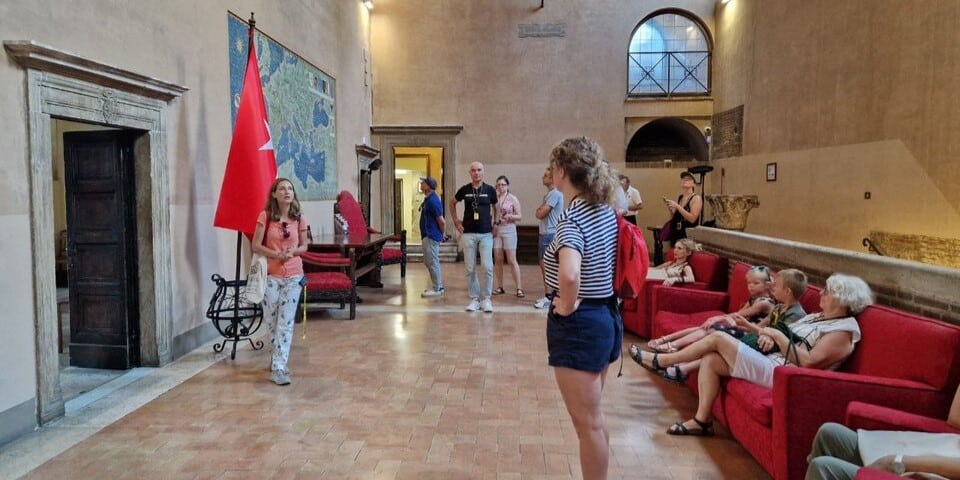
Group Tour in Italian
Joining a group tour to the House of the Knights of Rhodes offers a unique and enriching experience that goes beyond typical tourist visits. These guided tours often provide access to exclusive areas of the house that are not open to the general public, allowing you to explore hidden gems and gain insights into the building’s rich history. With knowledgeable guides sharing intriguing stories and lesser-known facts about the Knights Hospitaller, you’ll find yourself immersed in a captivating narrative that brings the past to life.
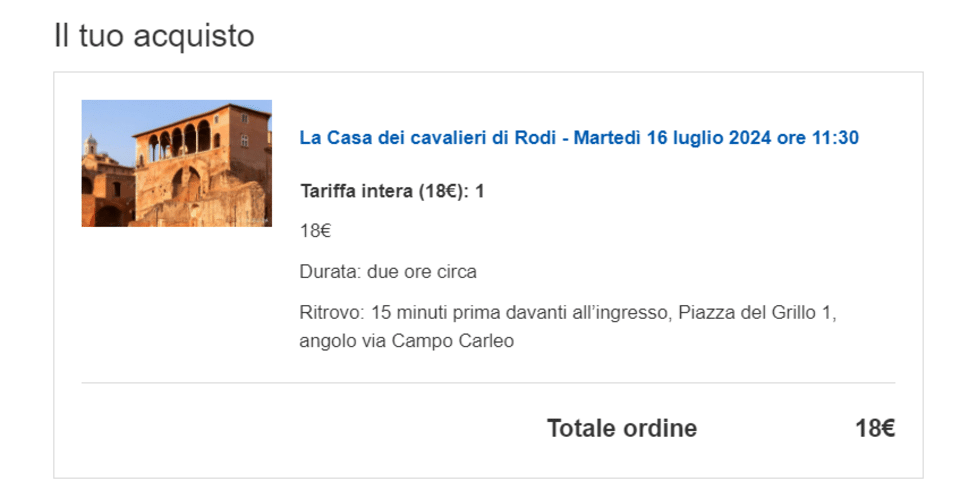
Excellent experience, totally recommended!
Read also about which Colosseum tour is the best.
What To Know Before Your Visit?
What is The House of the Knights of Rhodes in Rome?
The House of the Knights of Rhodes, located in Rome, is a historical building that served as the embassy of the Knights of St. John in the 16th century. It showcases Renaissance architecture and is an important site for understanding the role of the knights in Italian history and their connection to the Mediterranean.
What can visitors expect to see during a tour of The House of the Knights of Rhodes?
Visitors can explore various rooms adorned with artworks, historical artifacts, and documents that illustrate the history of the Knights of St. John. Key features include beautifully decorated halls, chapels, and gardens that reflect the architectural style of the period. The site provides a unique insight into the life and legacy of the knights.
Are there guided tours available, and what is the duration of the visit?
Yes, guided tours are available and typically last about 1 to 1.5 hours. These tours are led by knowledgeable guides who provide detailed information about the history and significance of the house, enhancing the visitor experience. Self-guided options are also available for those who wish to explore at their own pace.
How far in advance should I book a tour of The House of the Knights of Rhodes?
It is advisable to book your tour as early as possible, ideally a few weeks in advance, especially during peak tourist seasons. Early reservations ensure availability and allow for better planning of your itinerary, ultimately enhancing your overall experience in Rome.